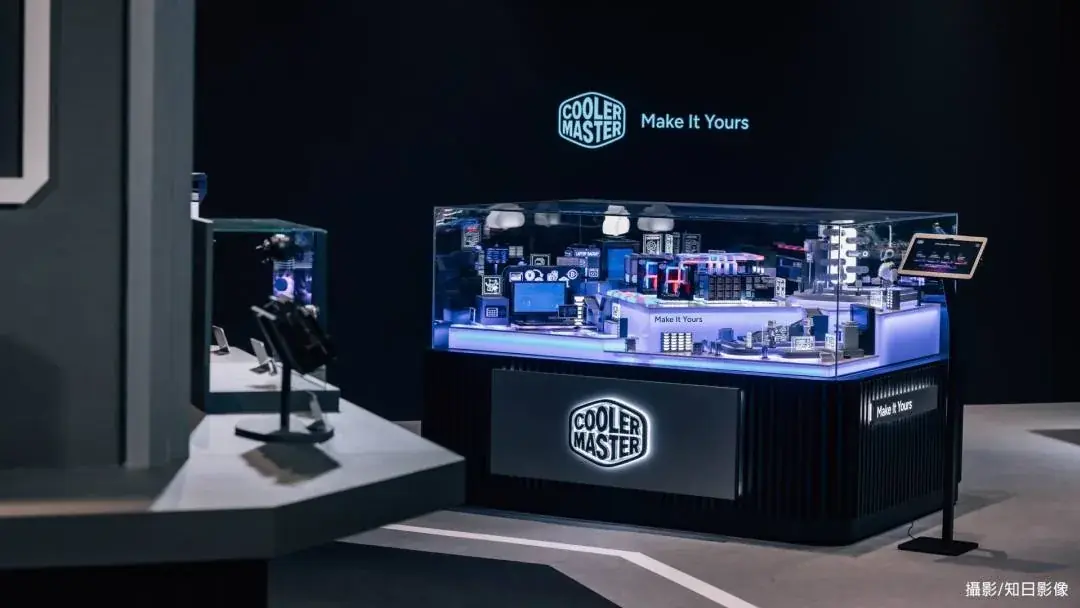
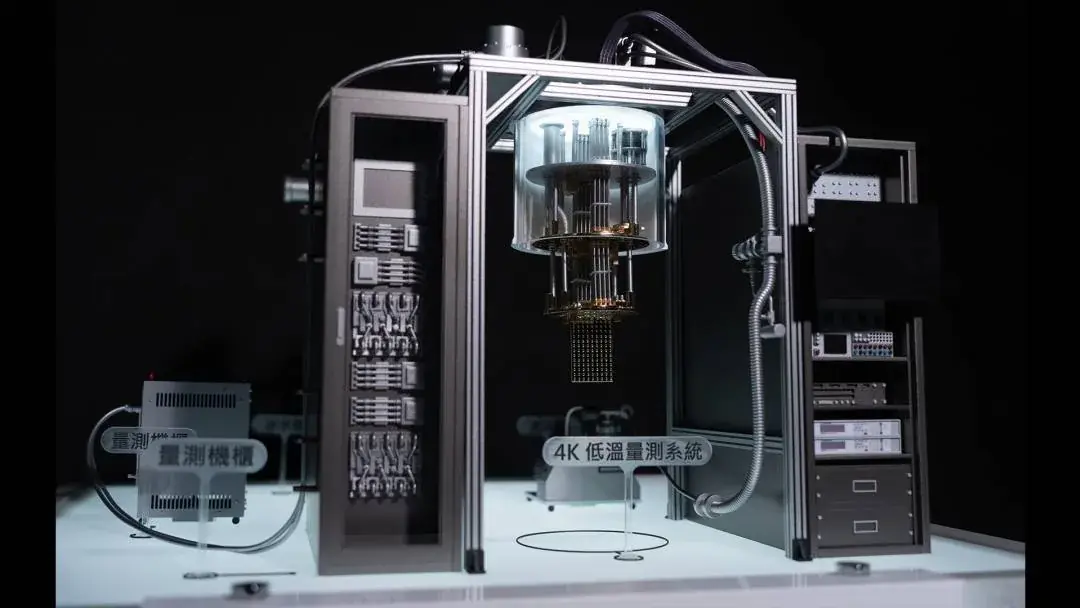
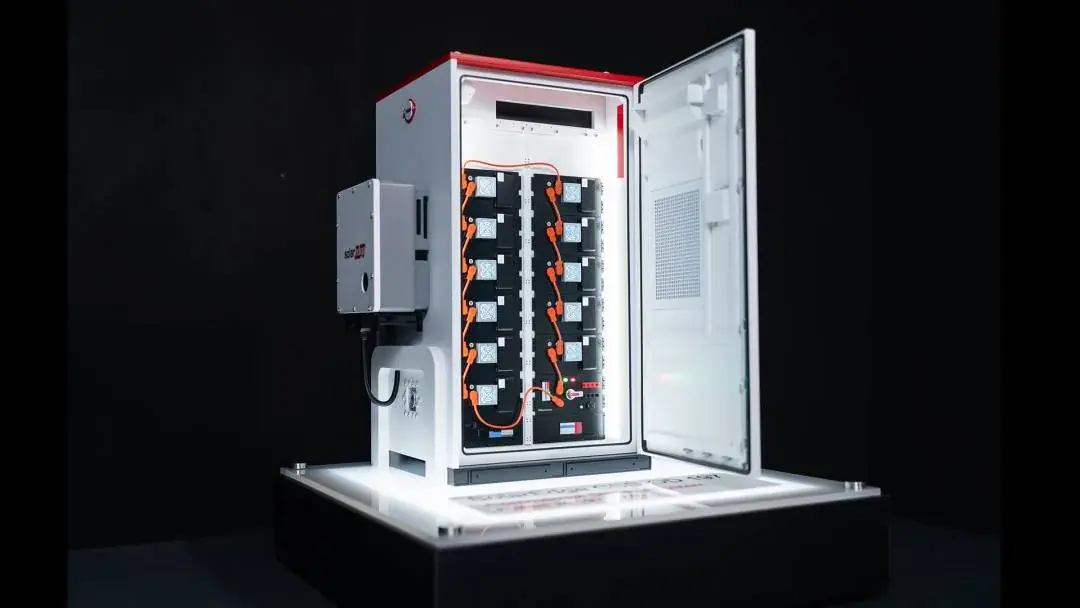
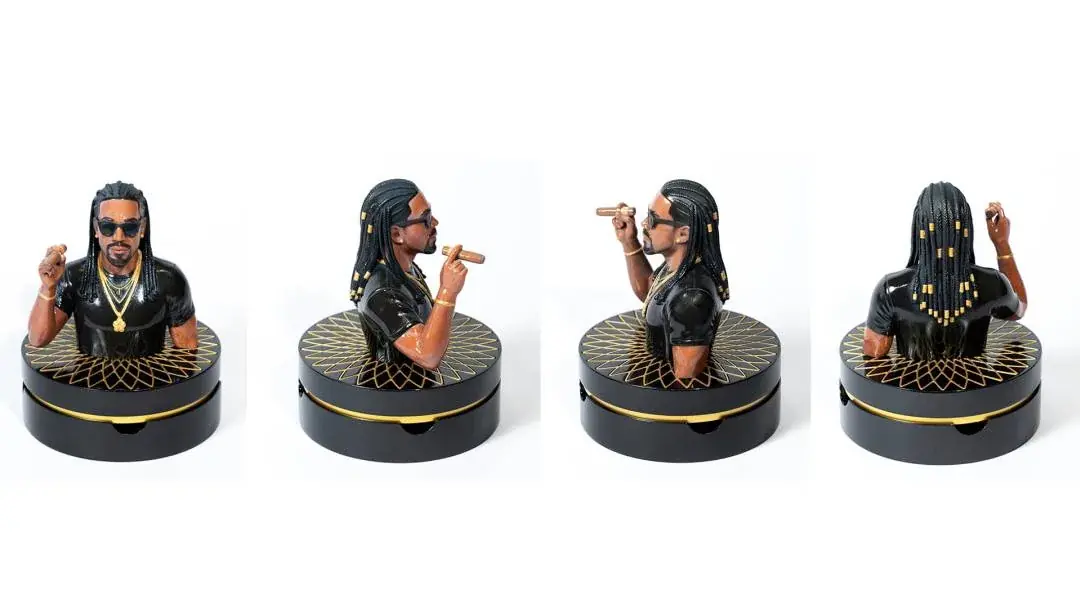
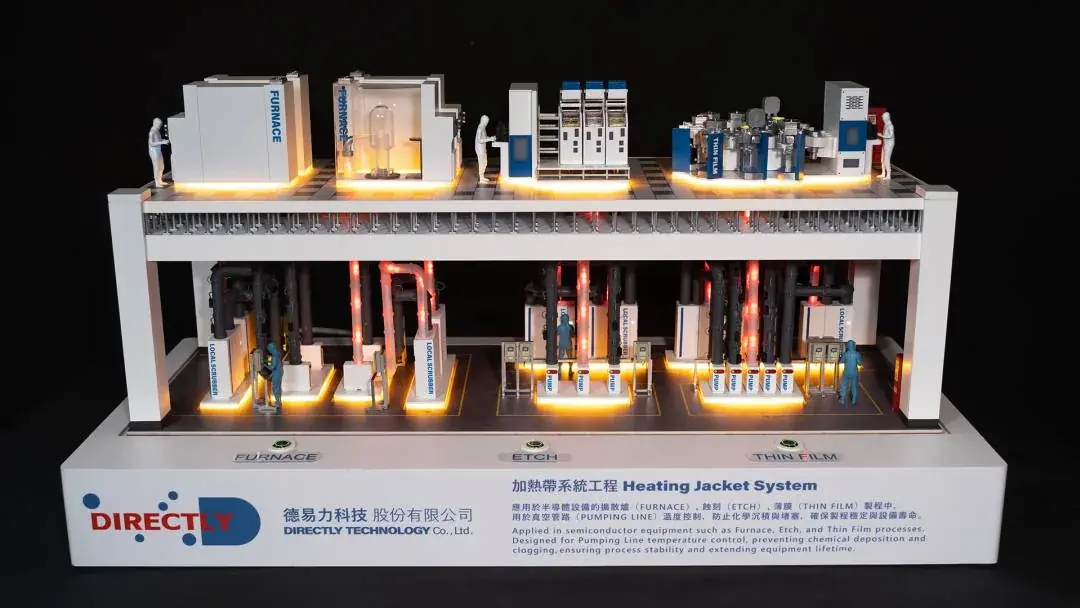
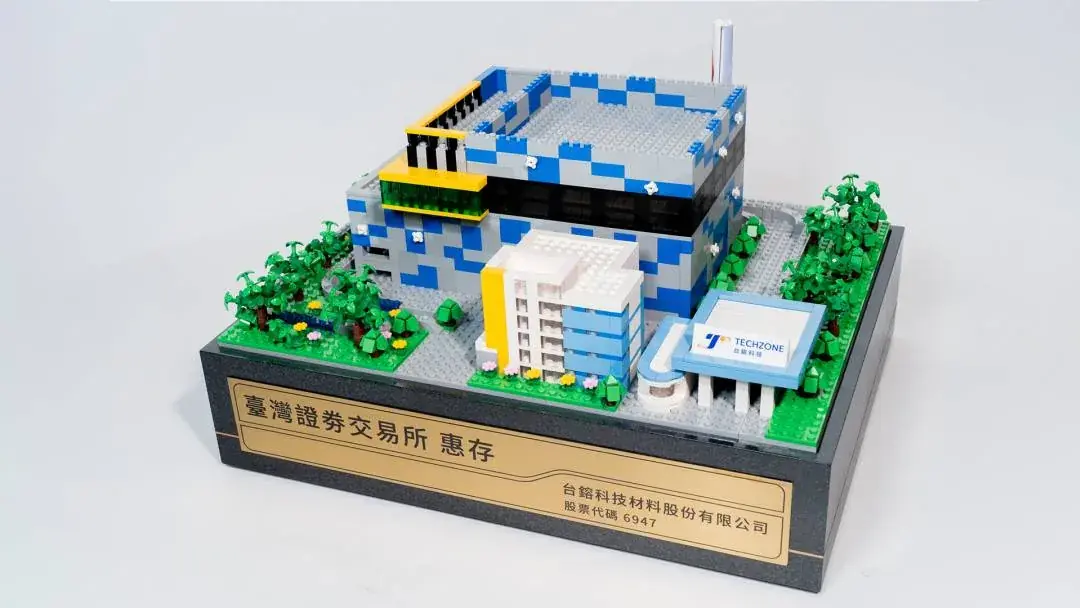
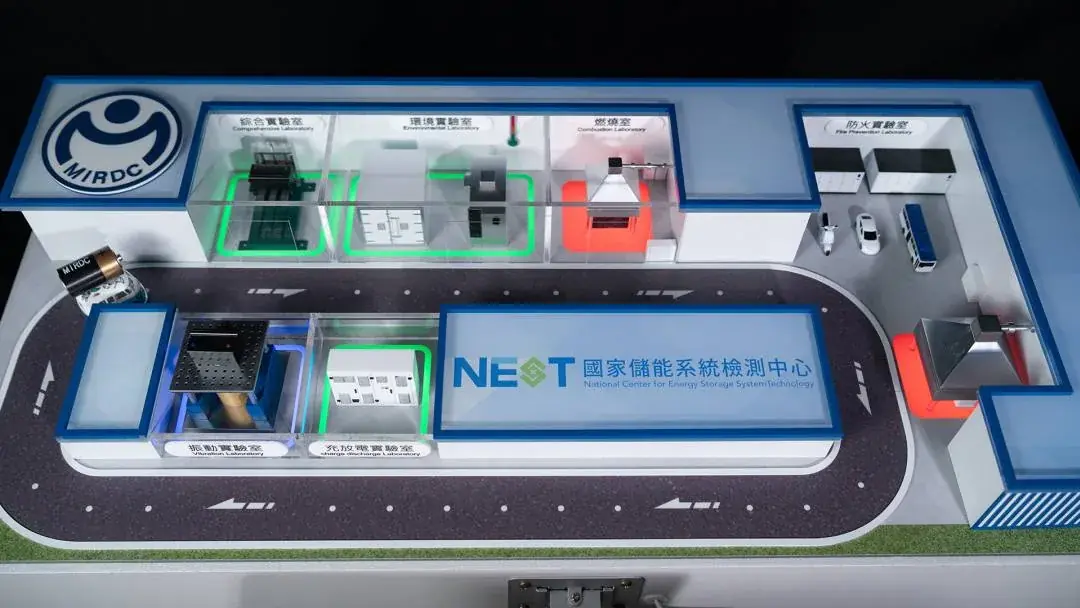
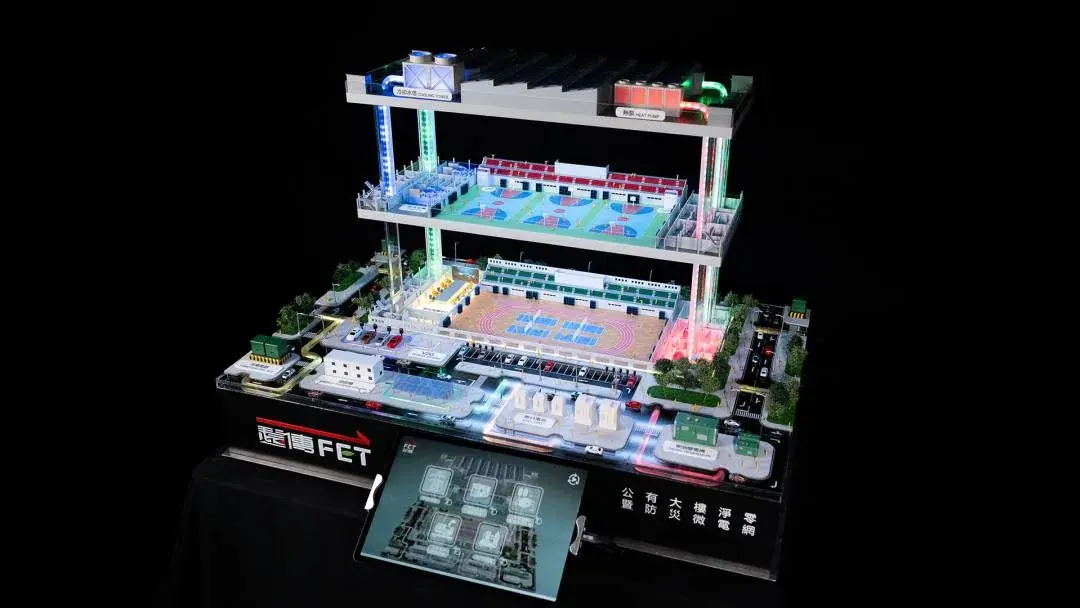
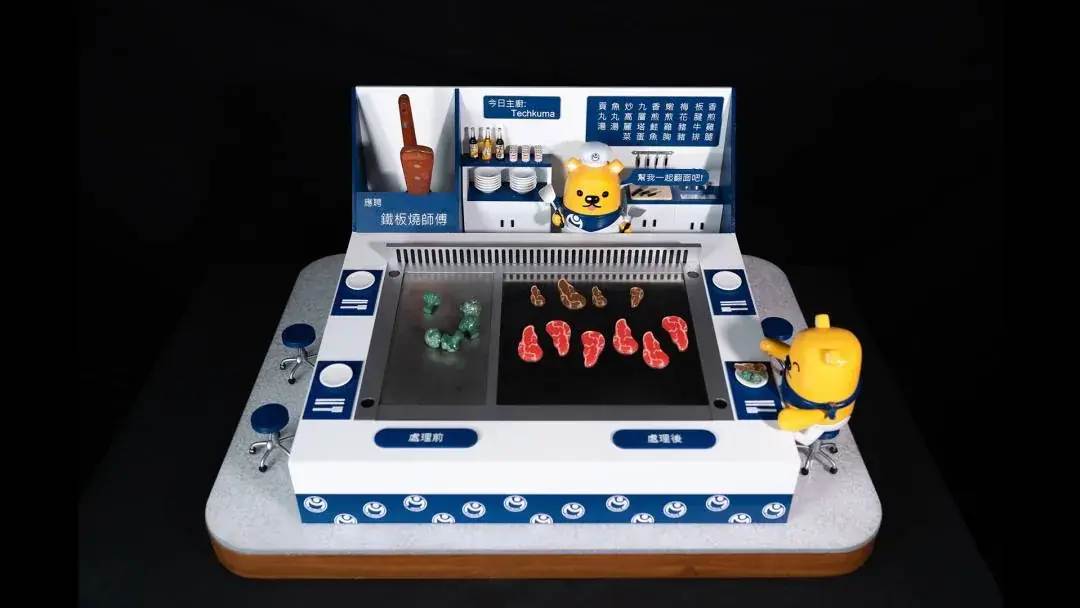
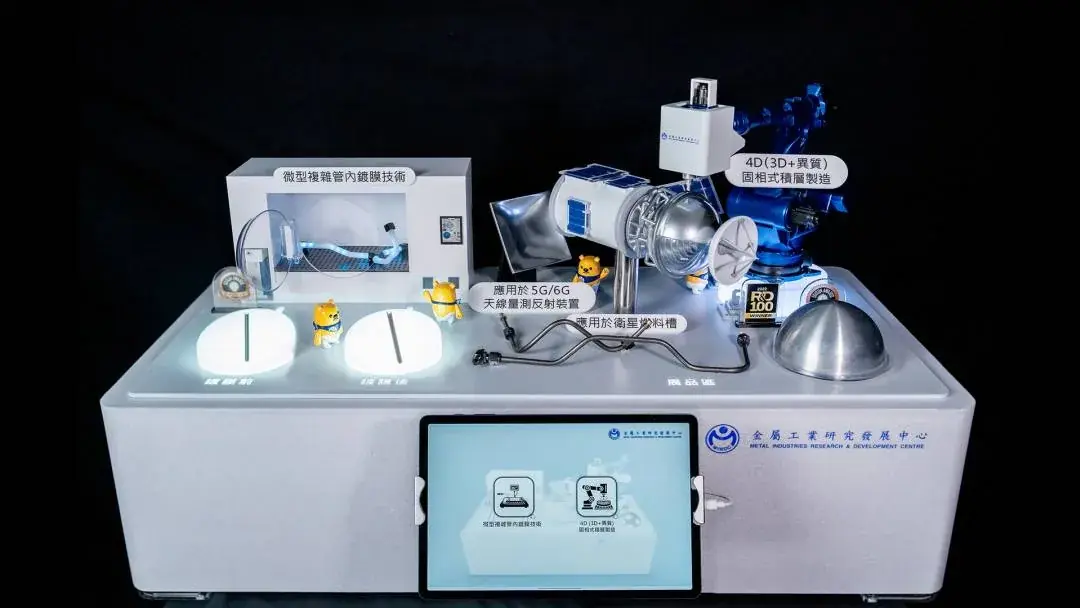
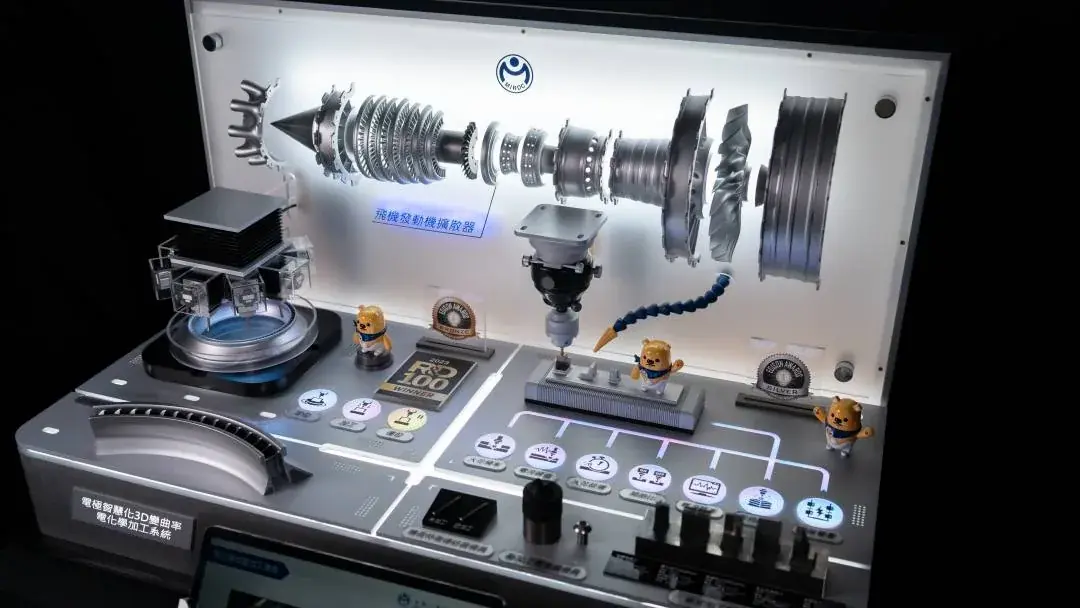
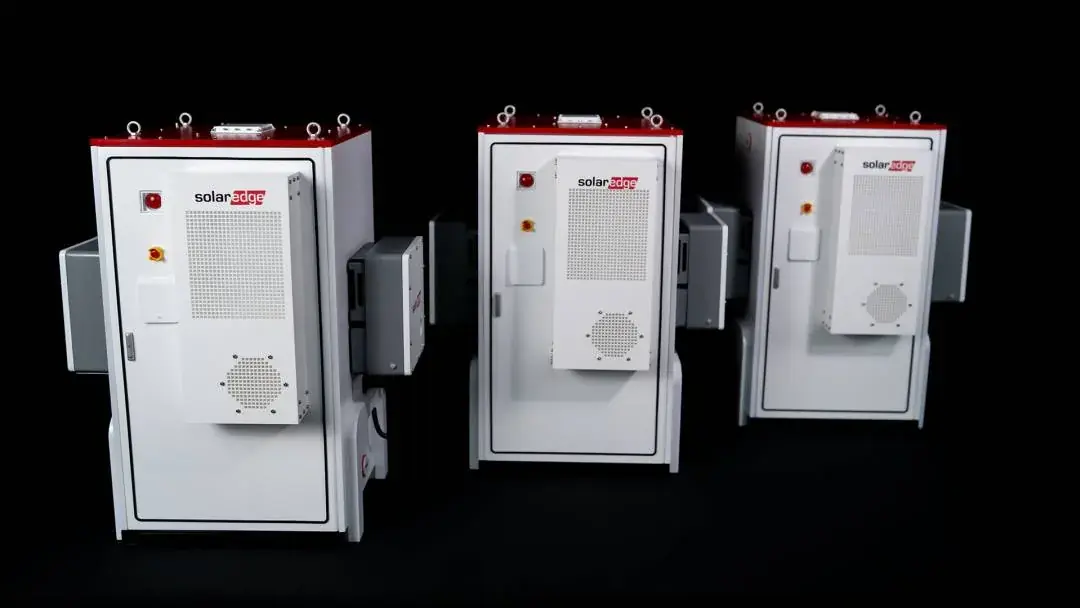
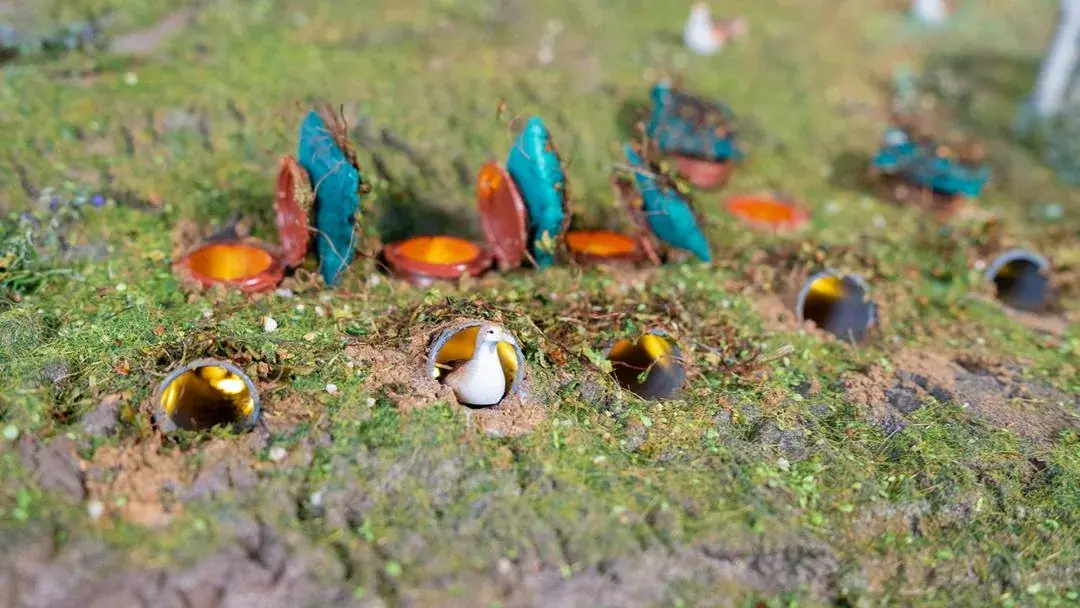
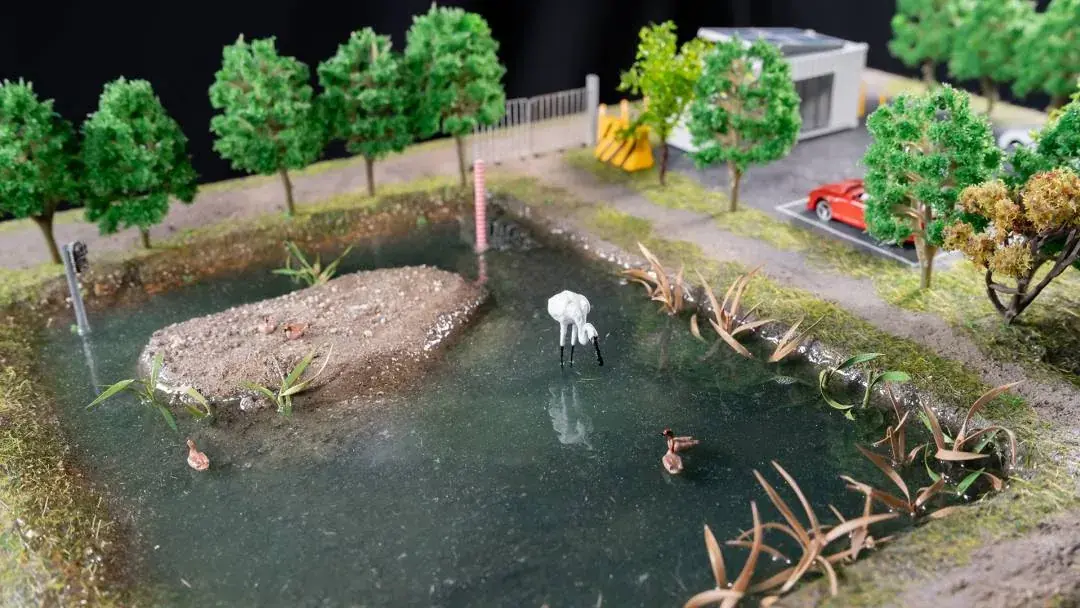
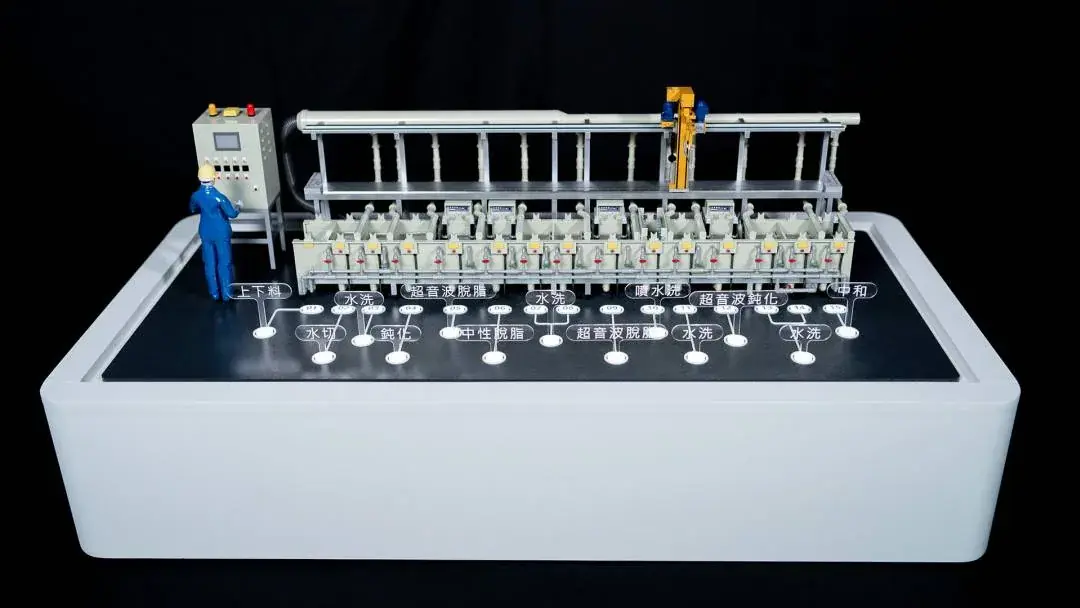
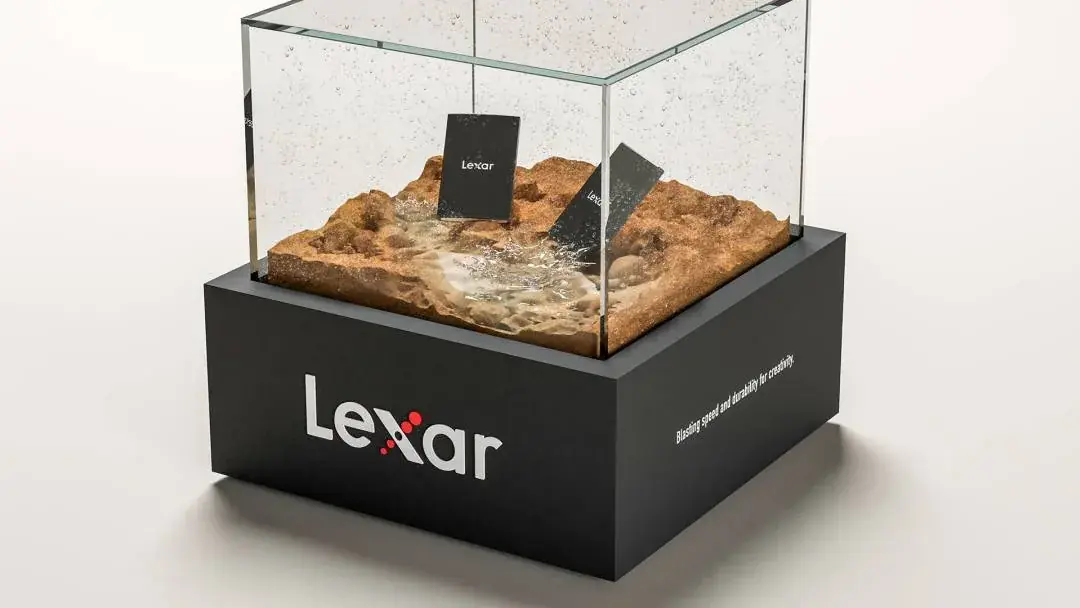
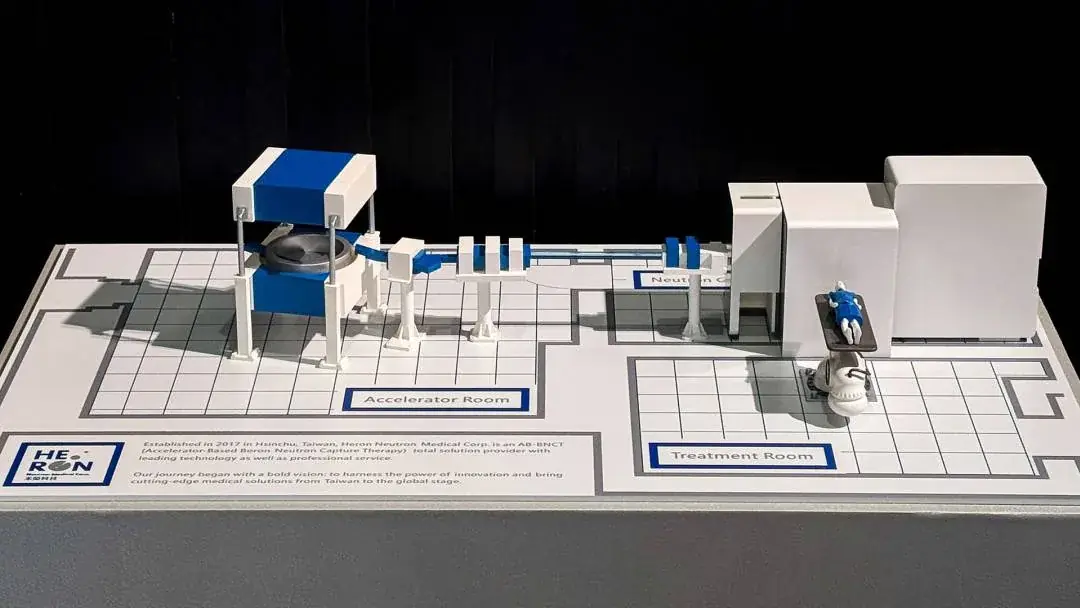
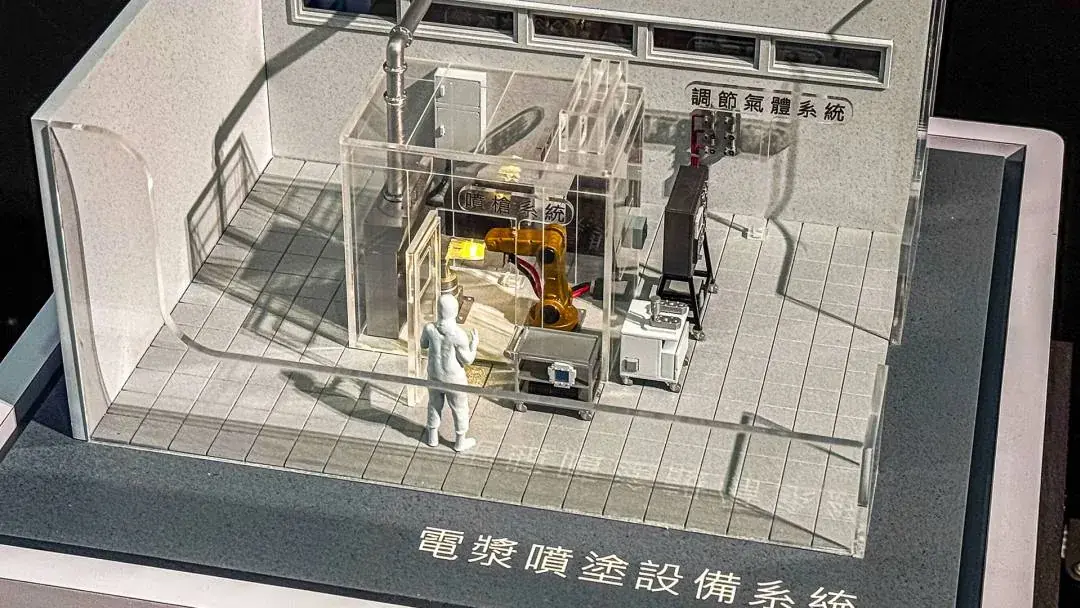
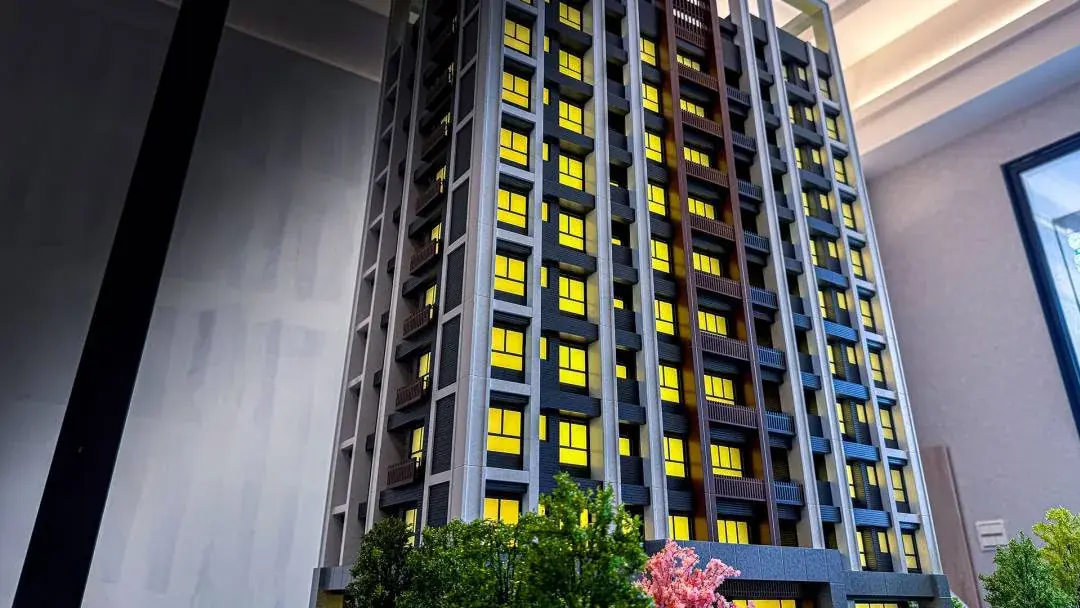
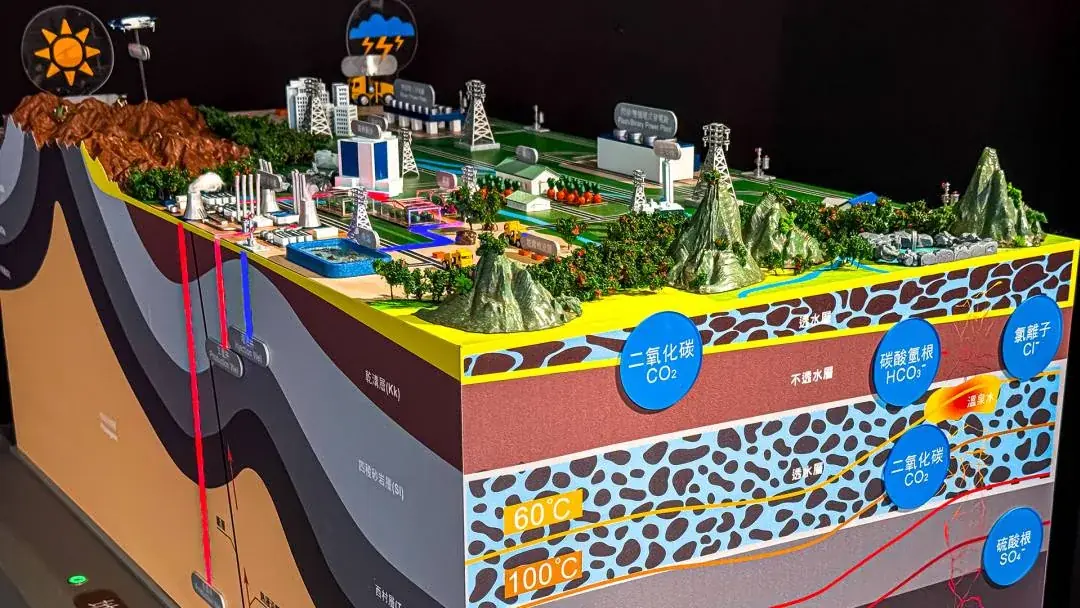
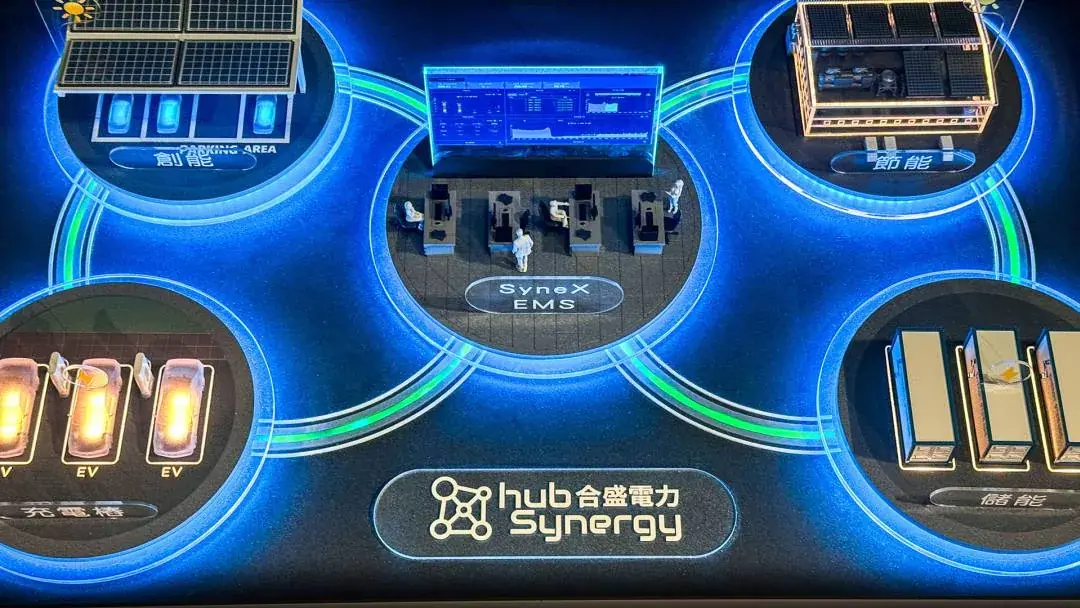
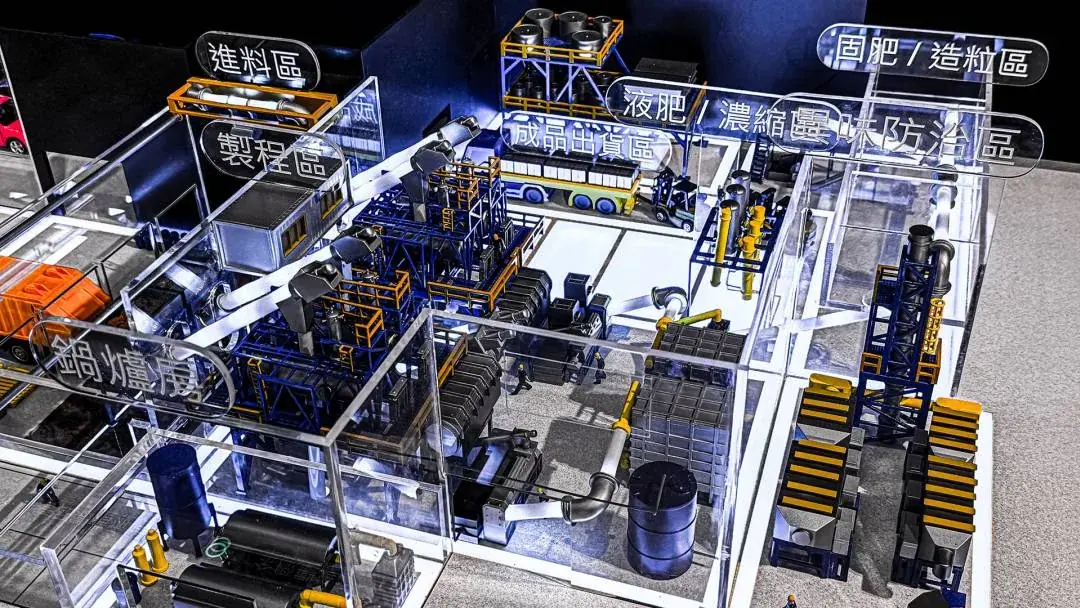
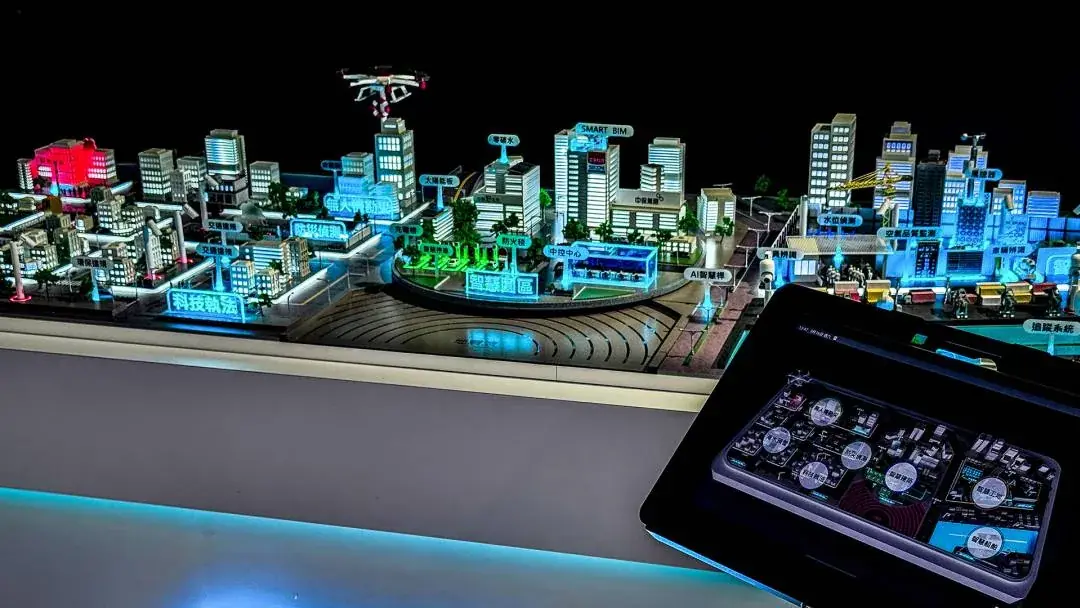
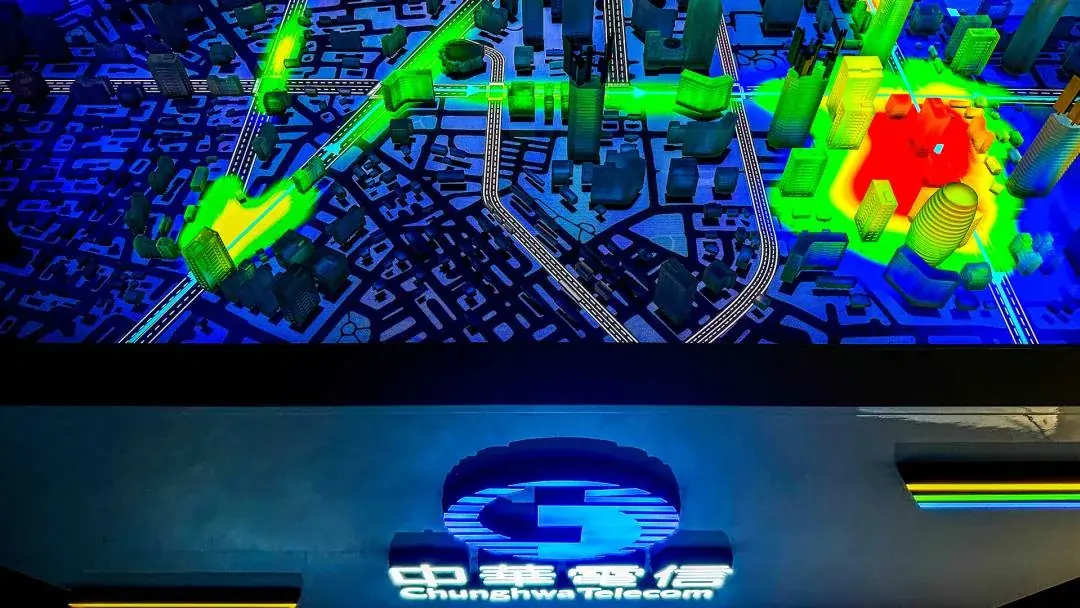
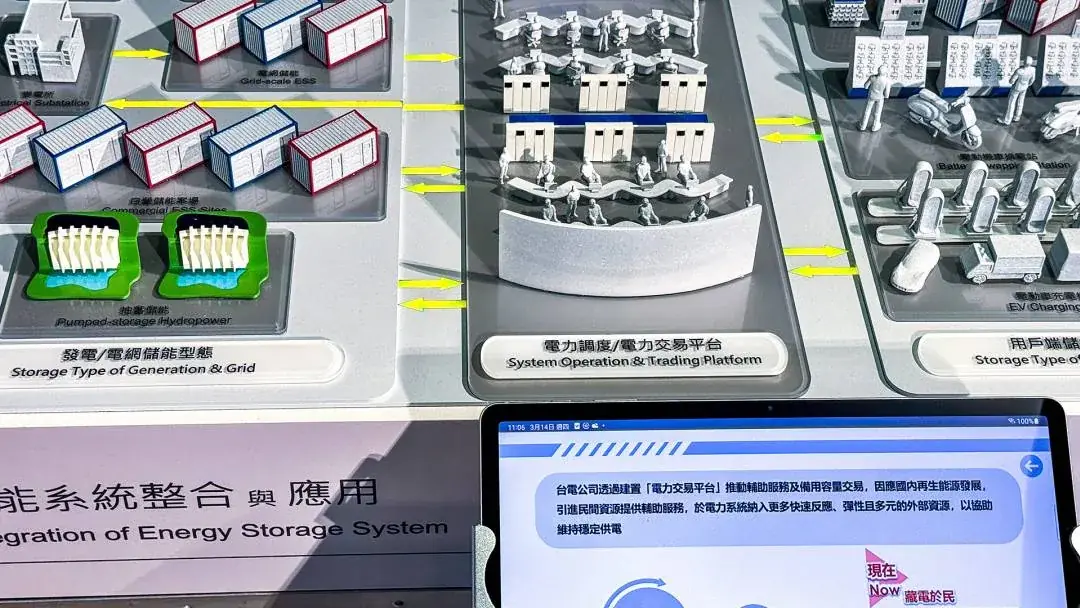
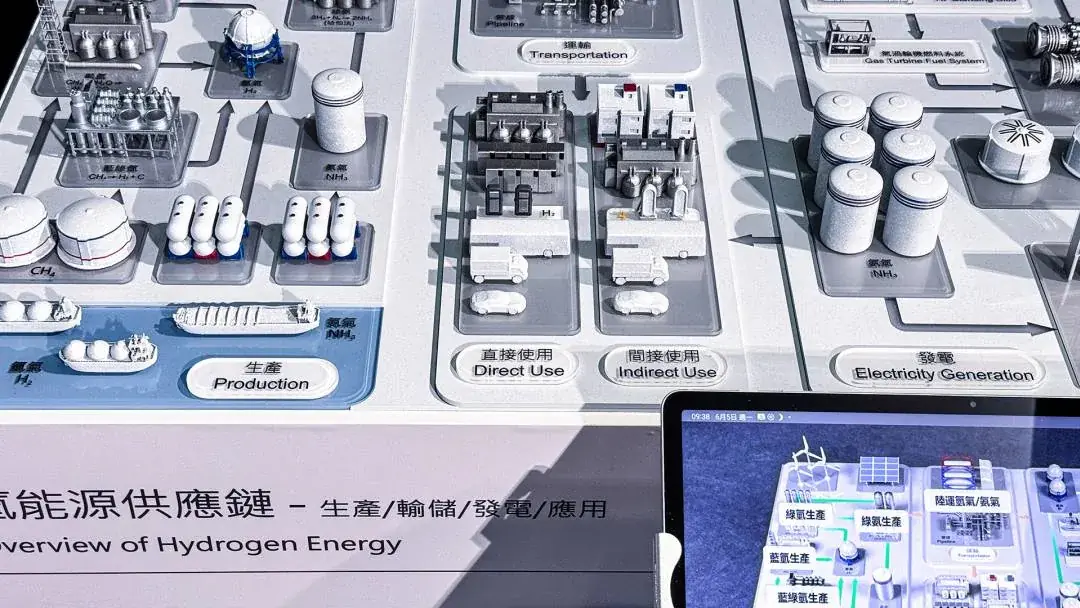
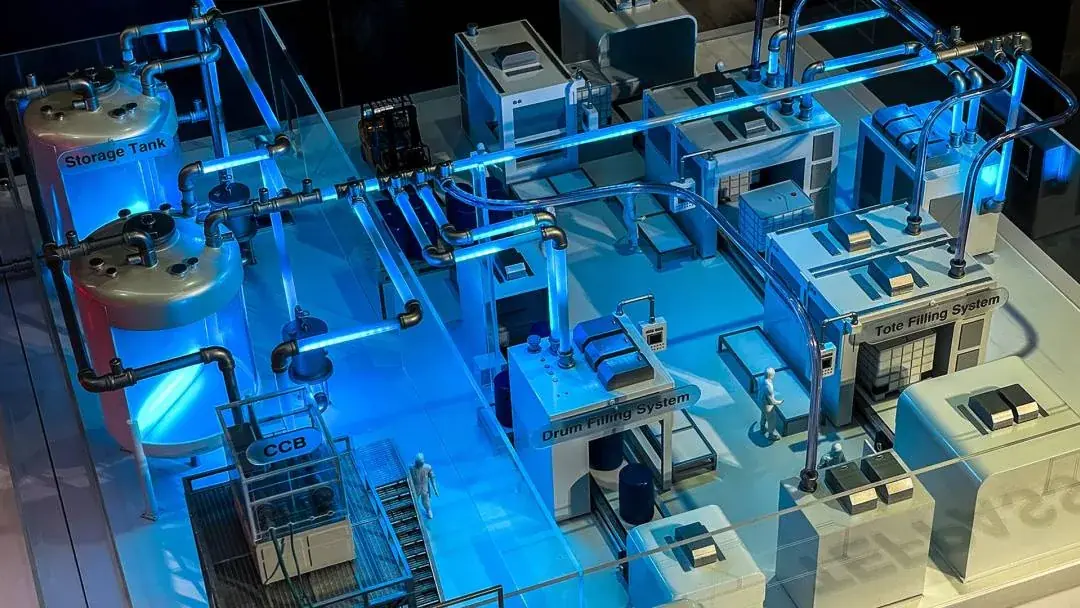
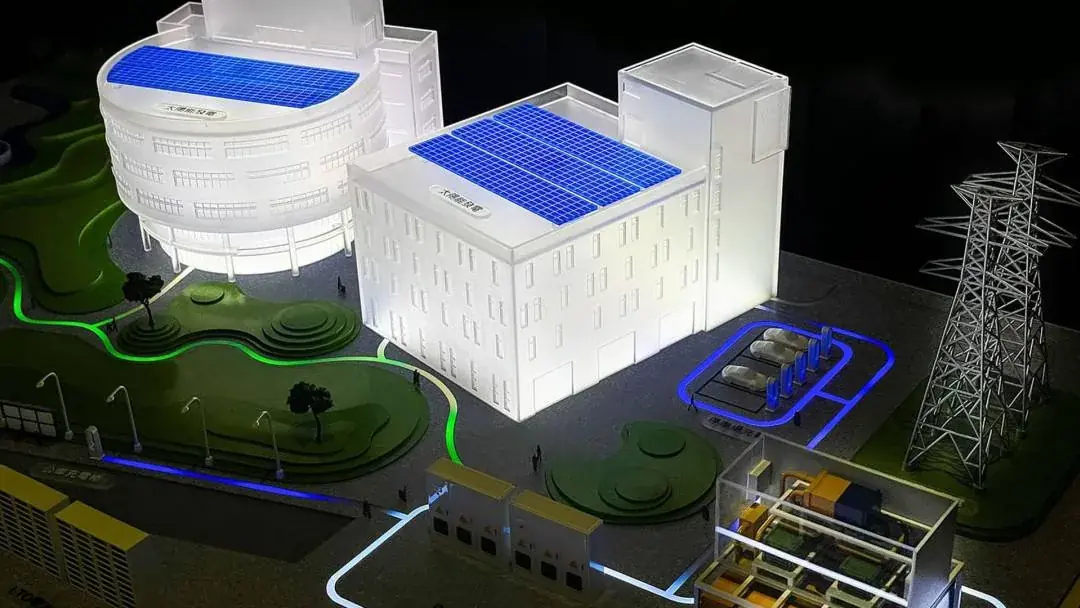
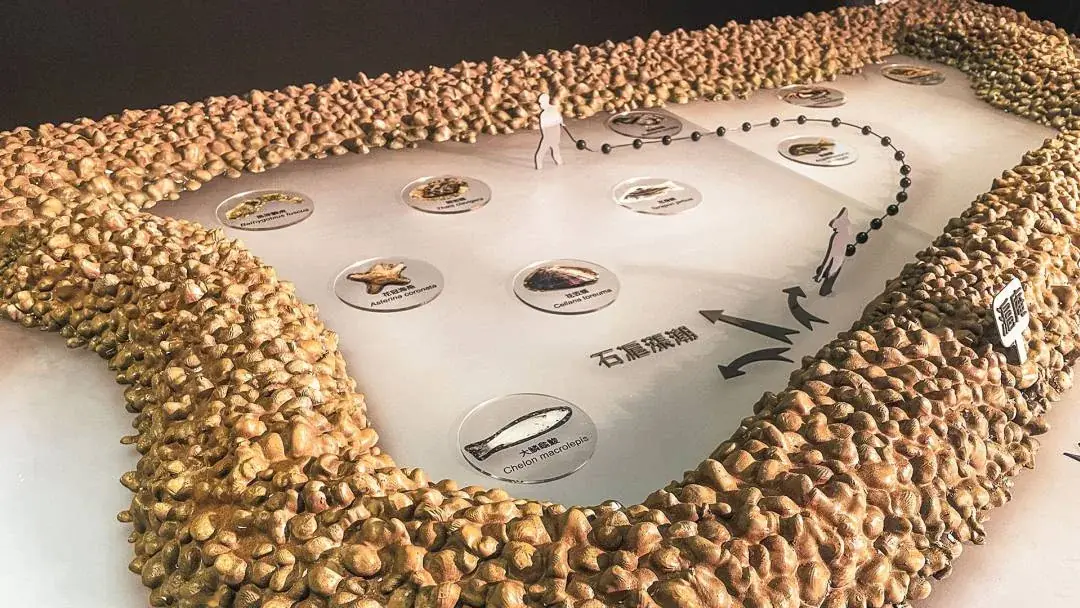
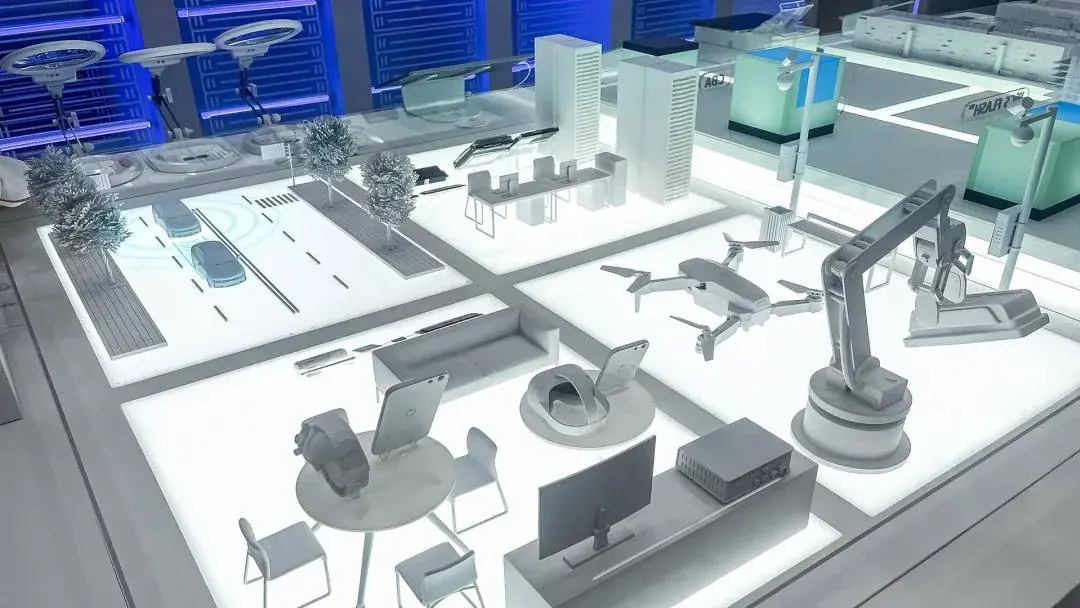
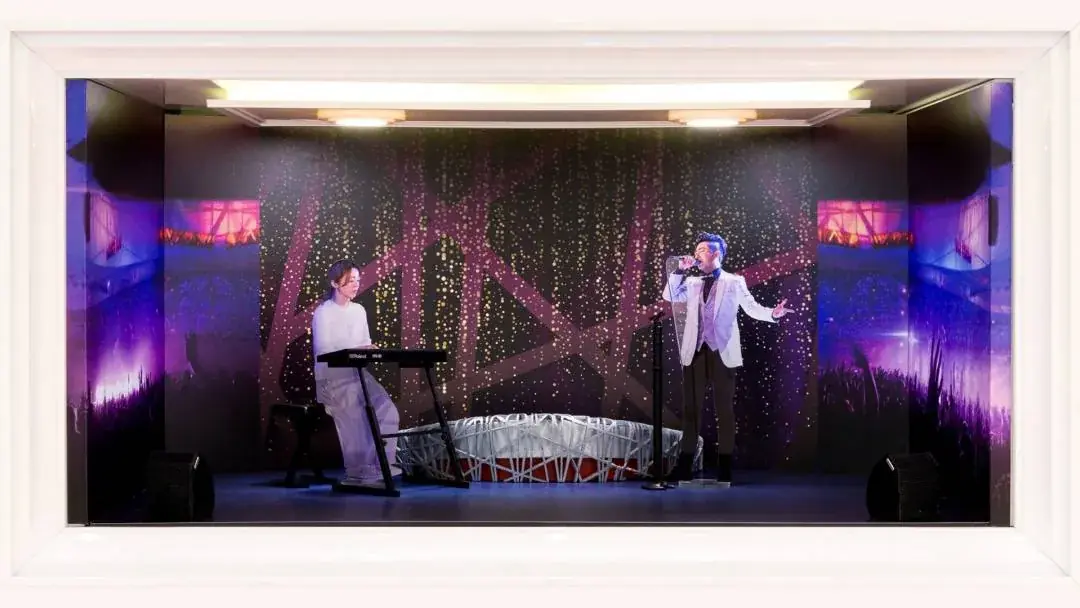
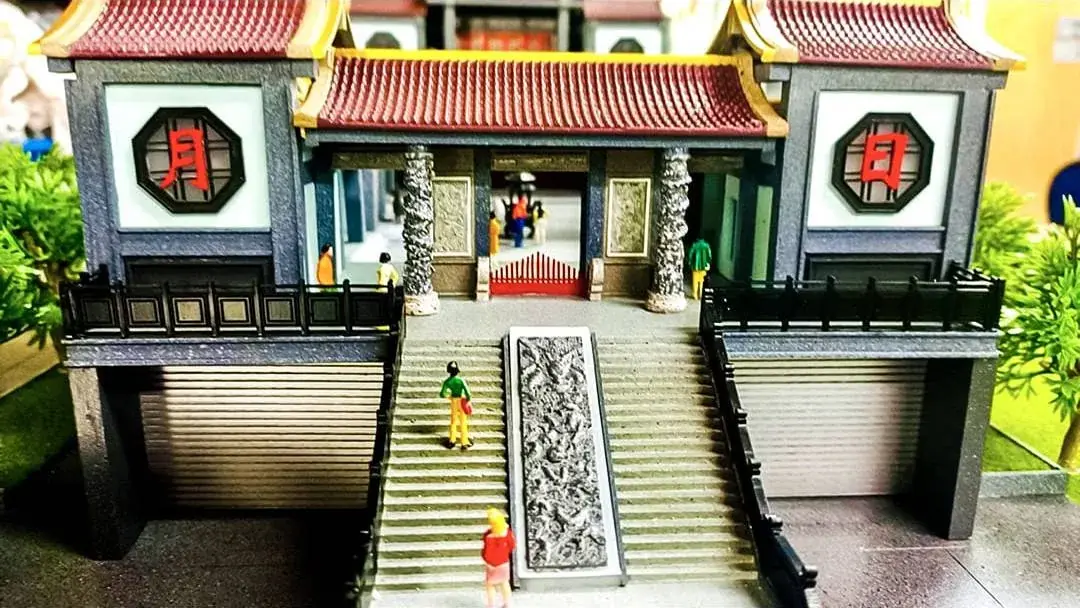
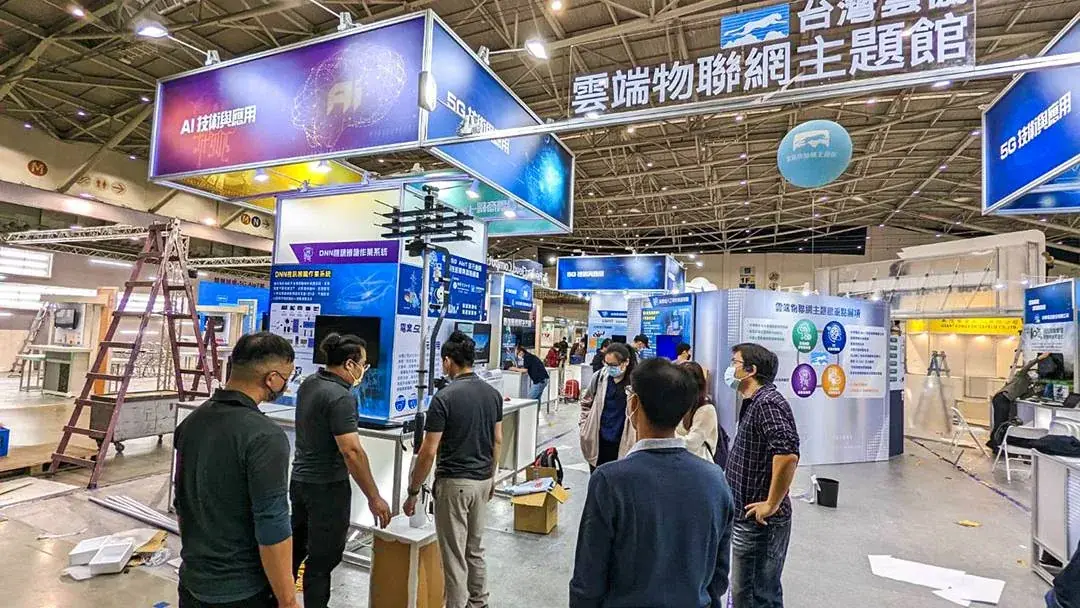
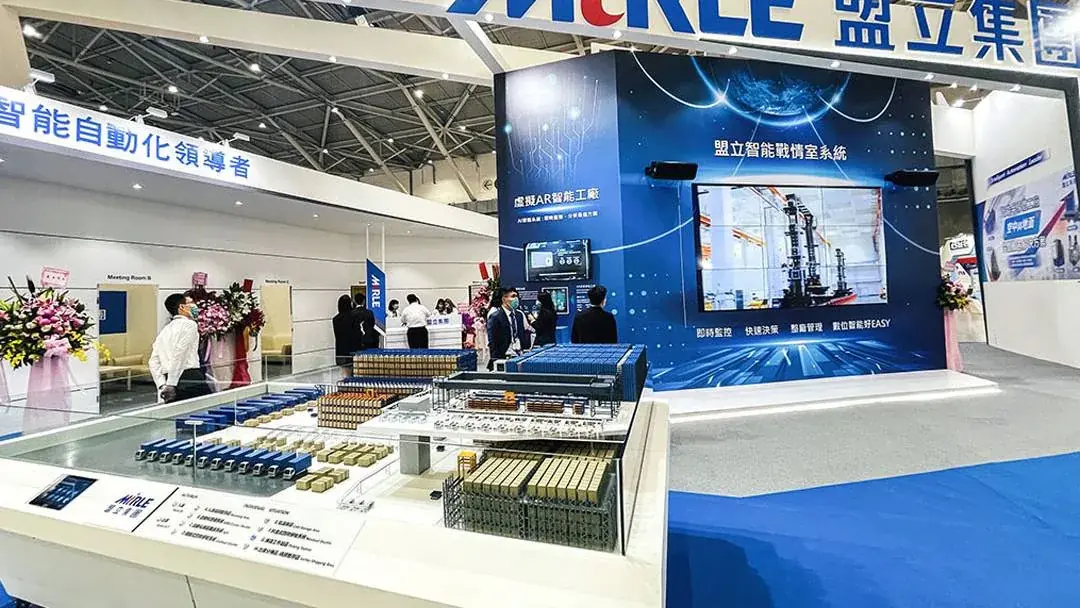
1. Exhibition models
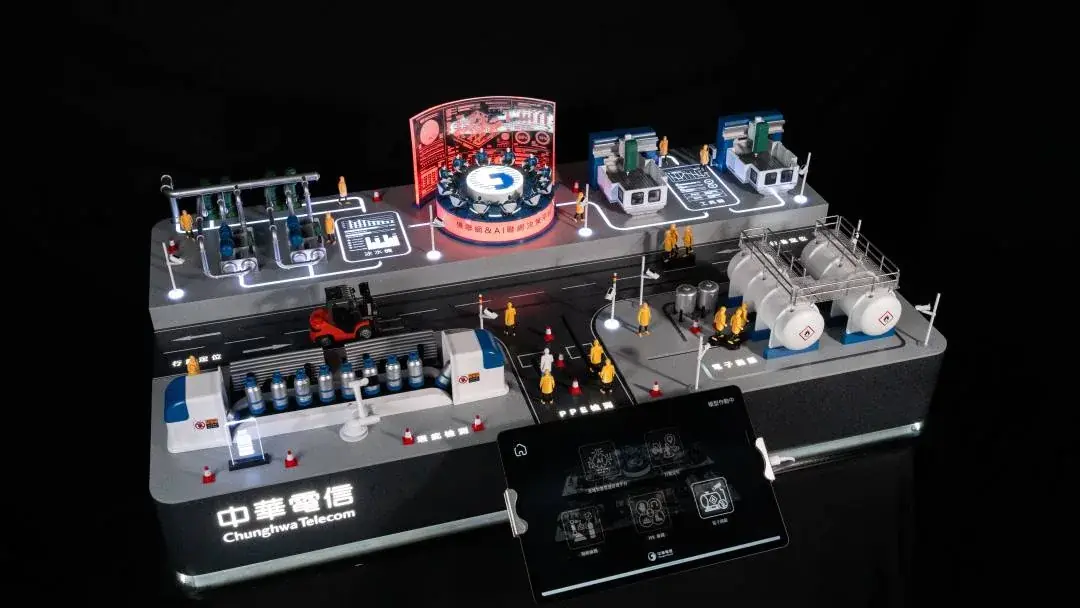
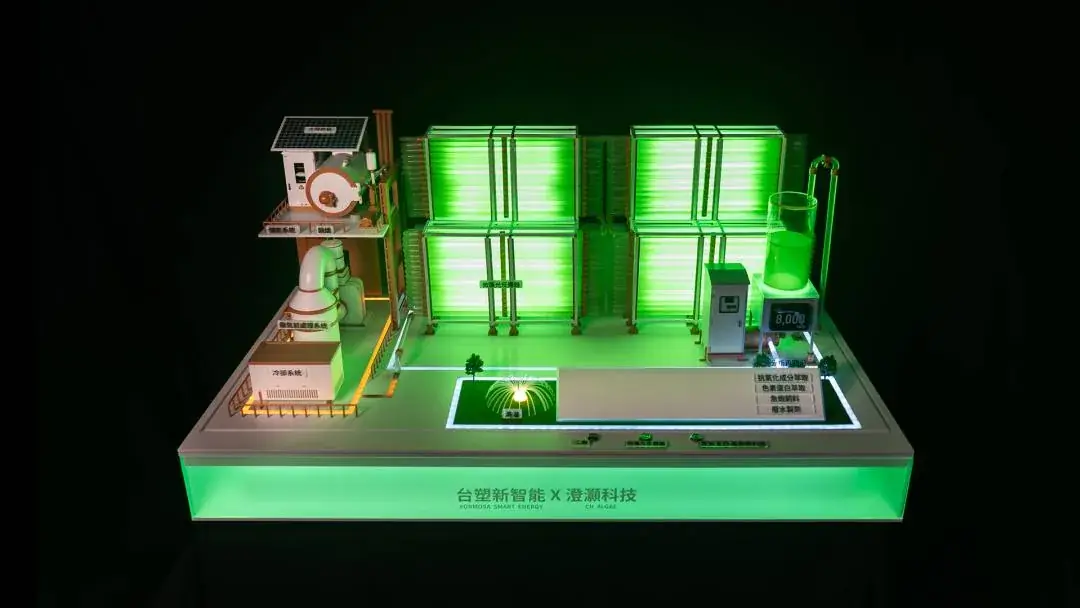
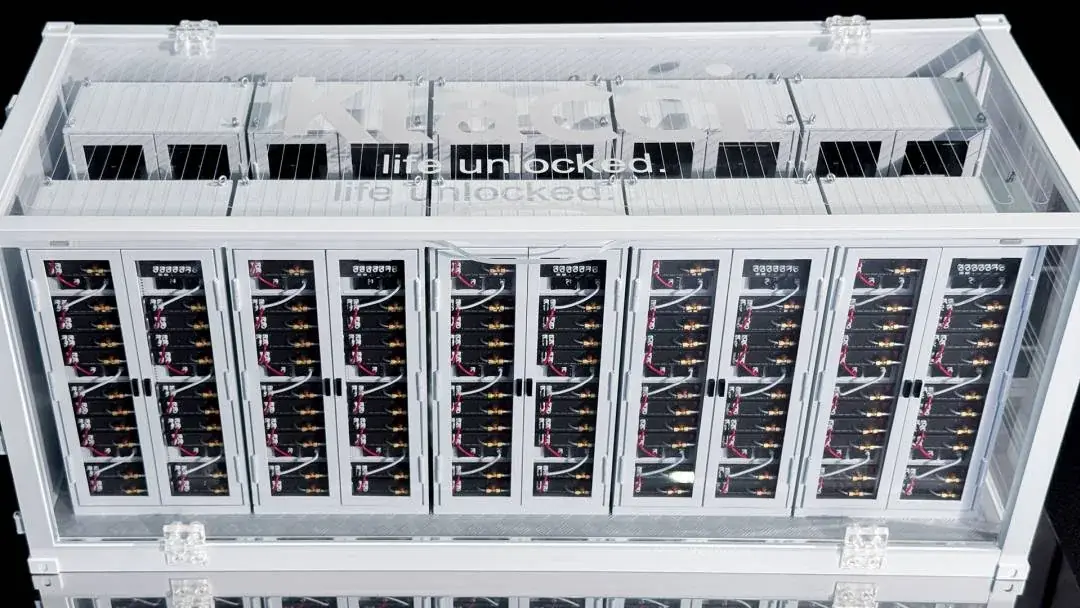
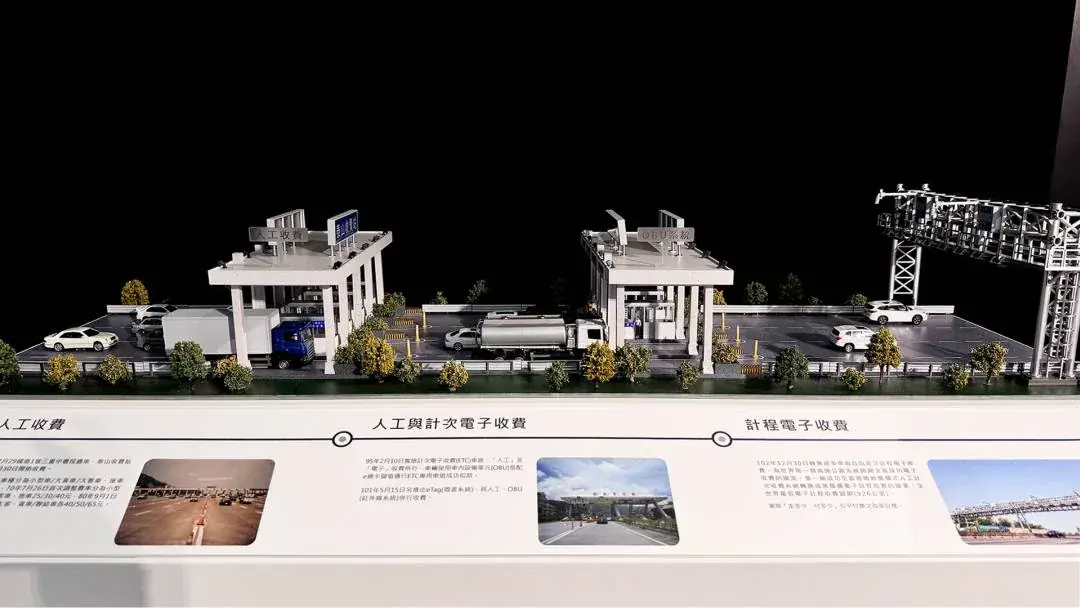
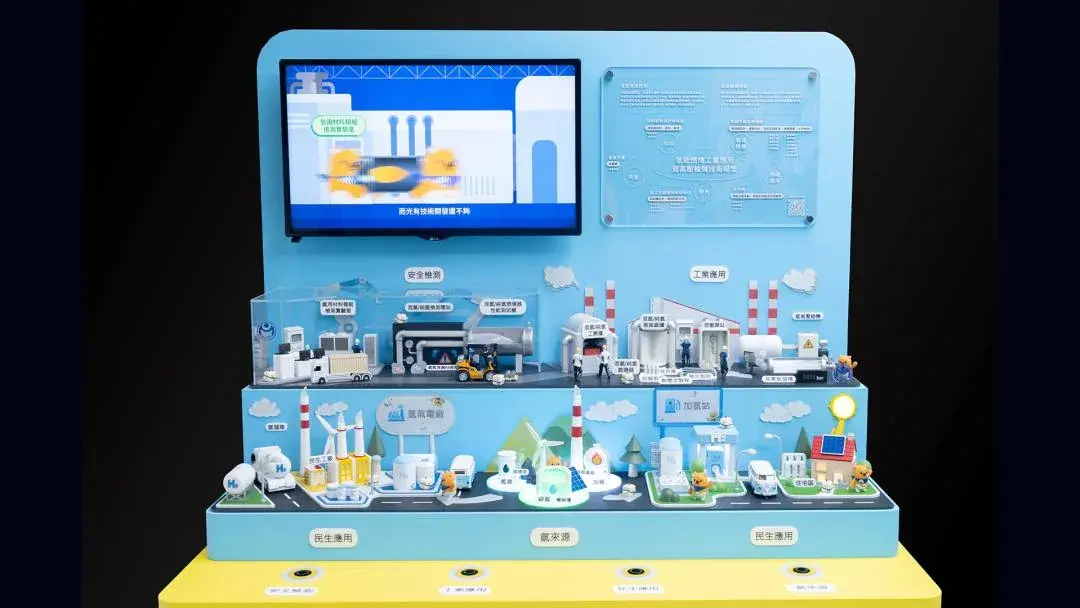
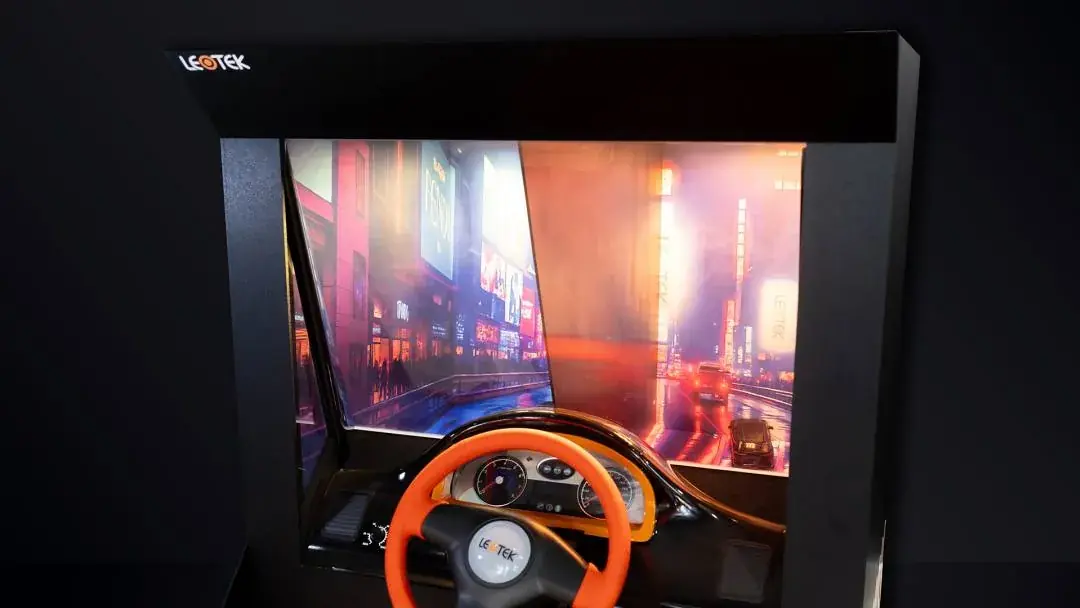
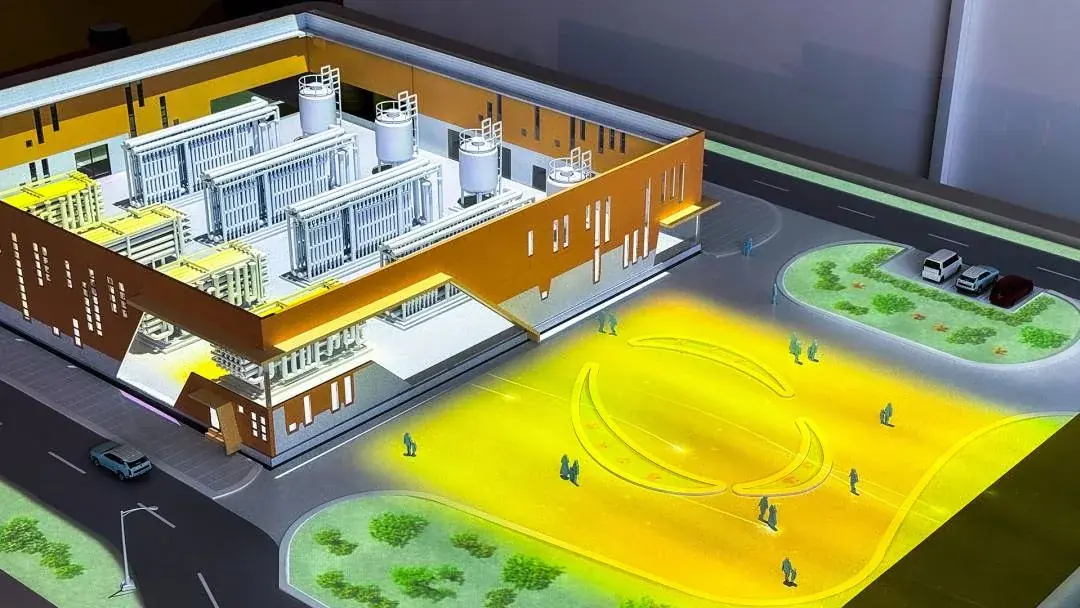
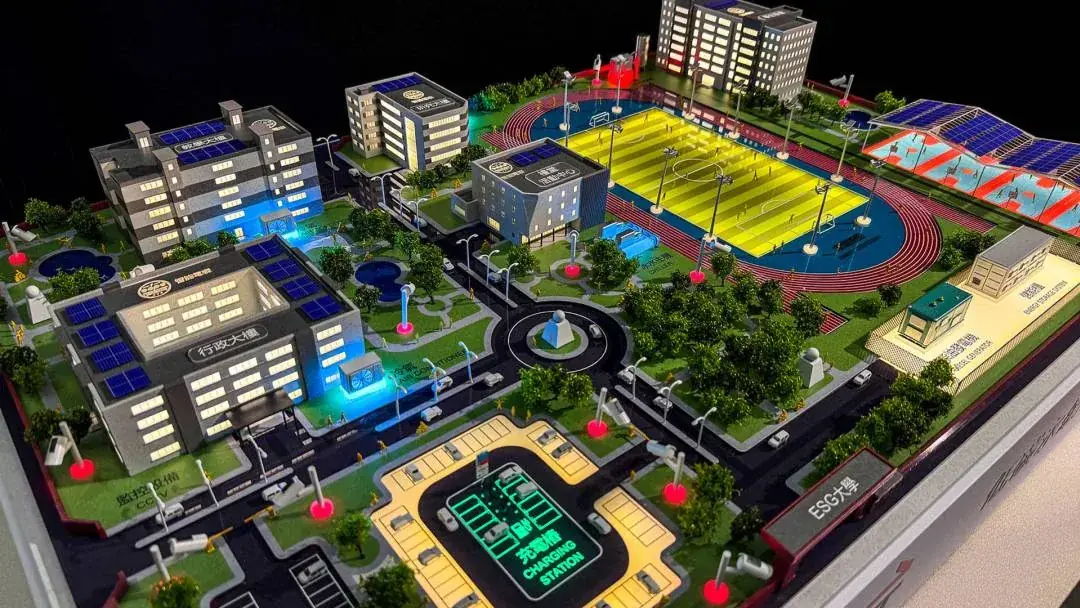
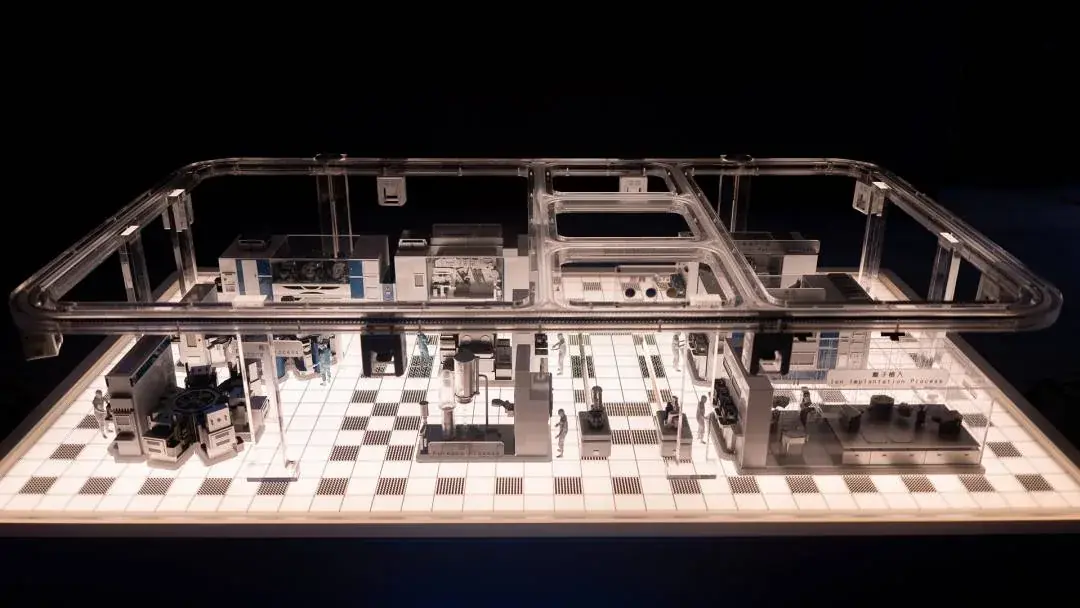
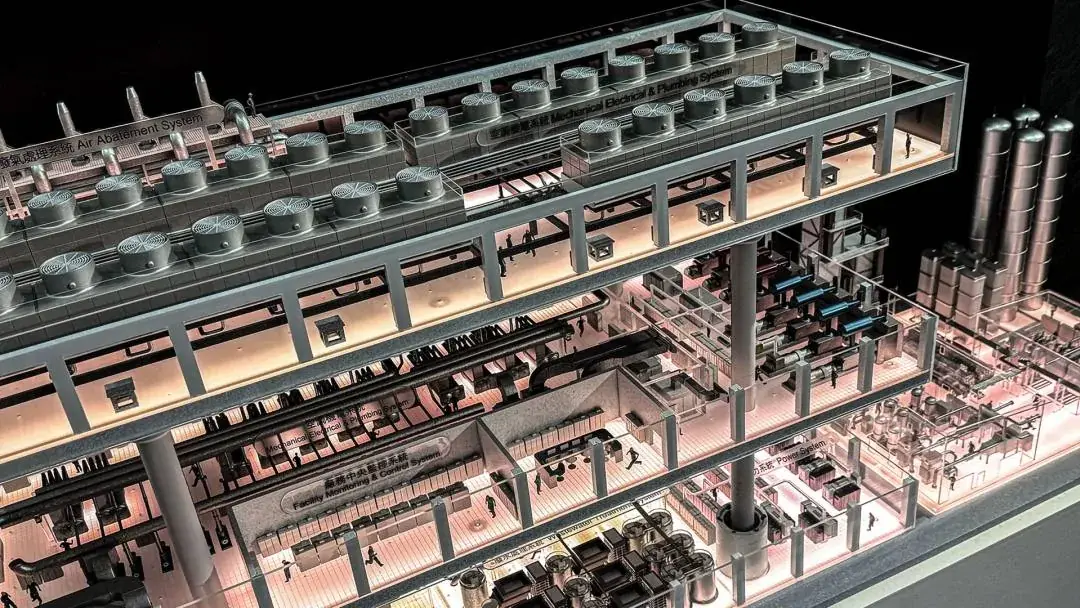
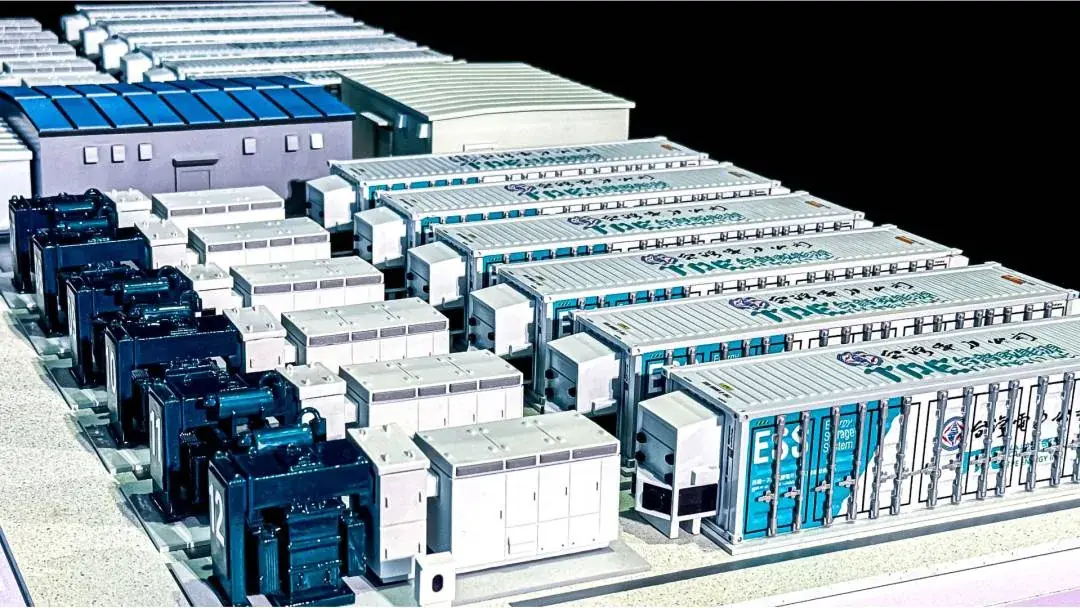
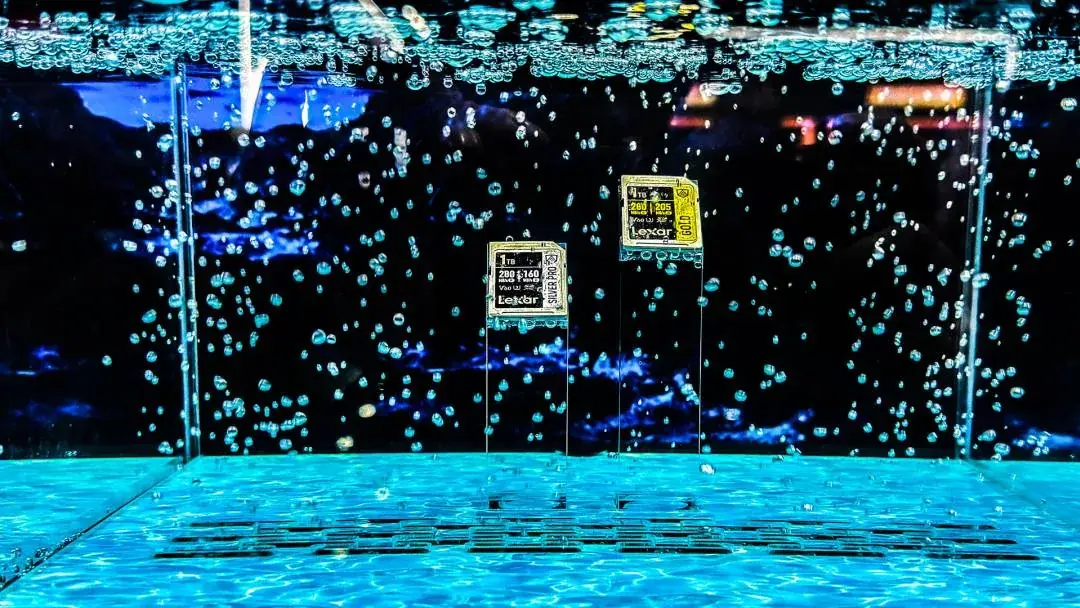
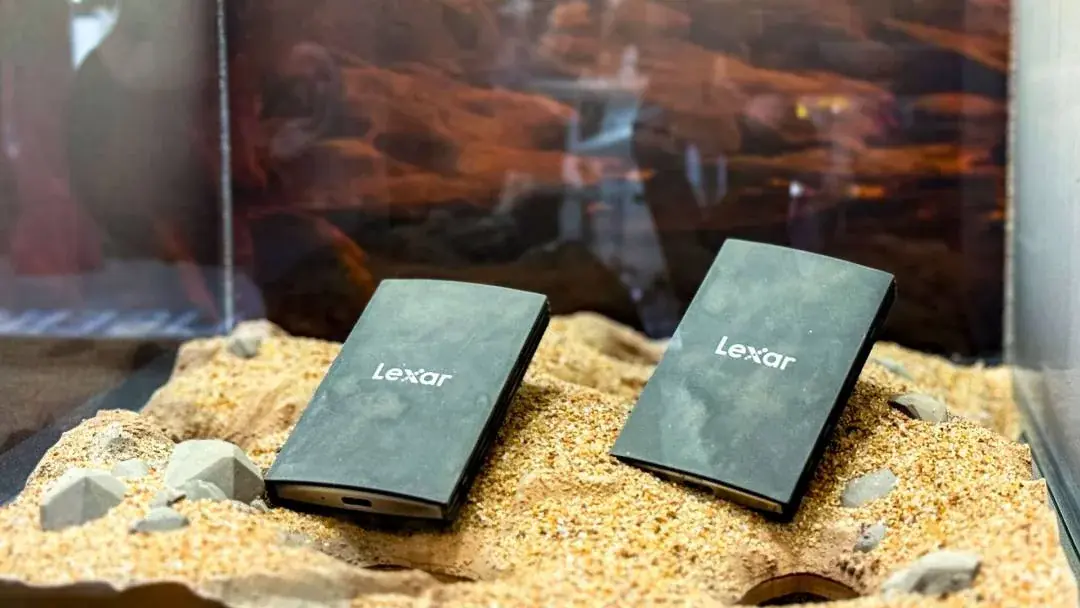
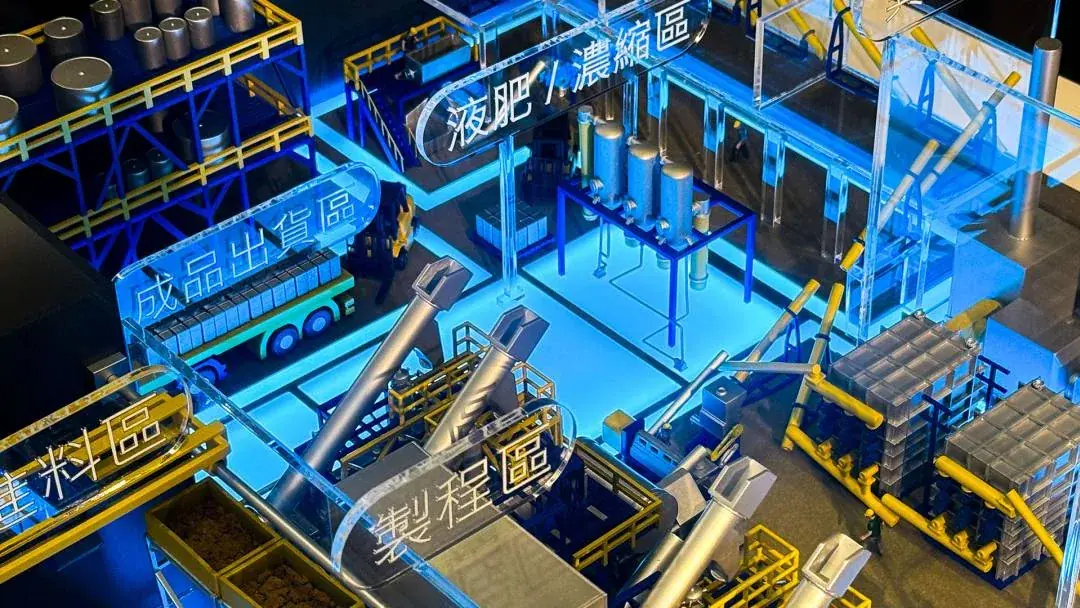
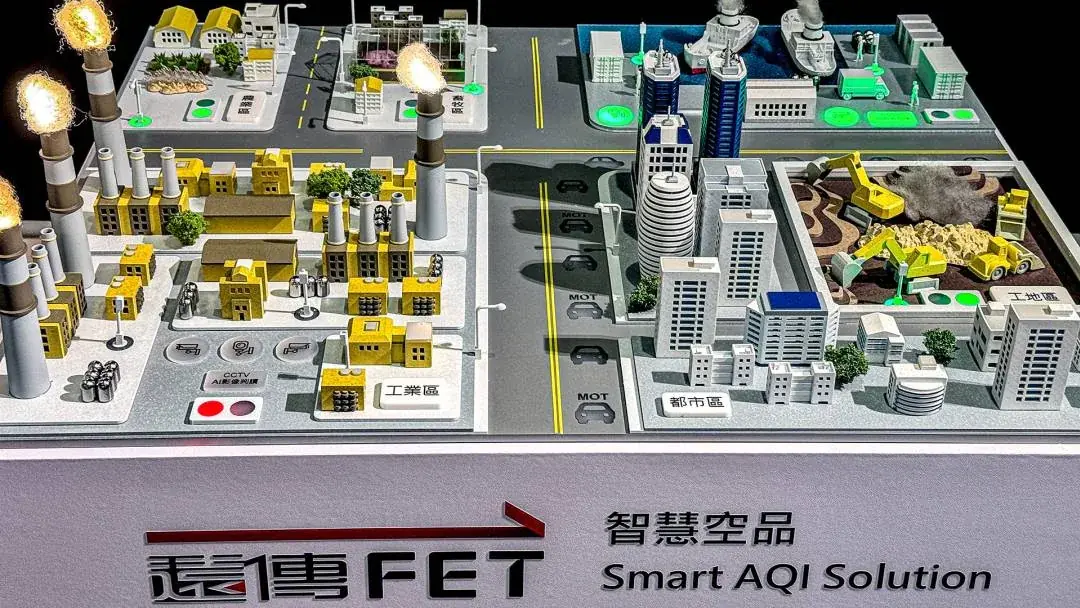
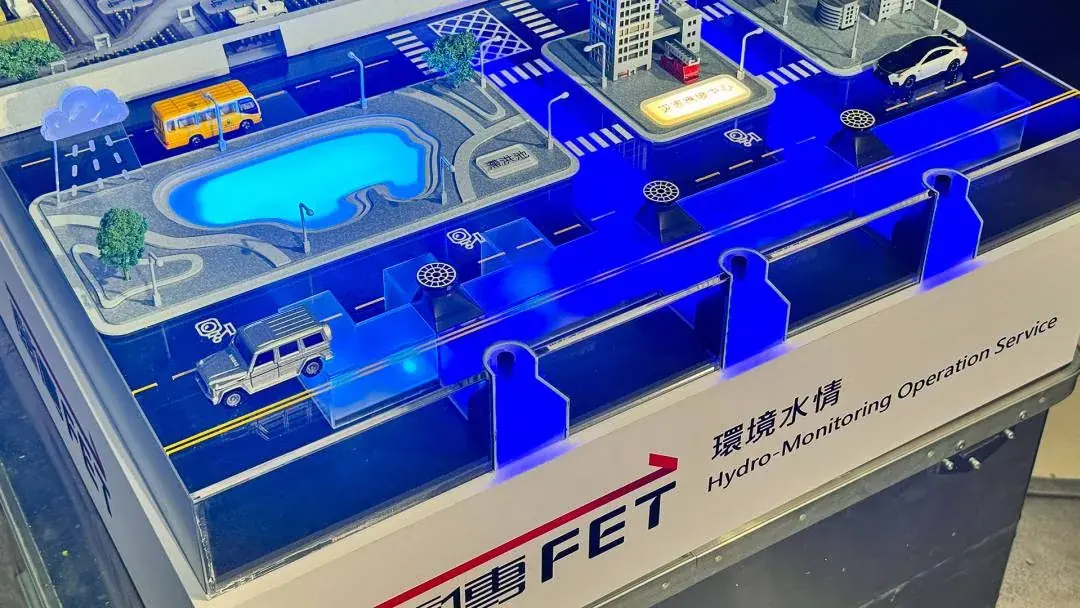
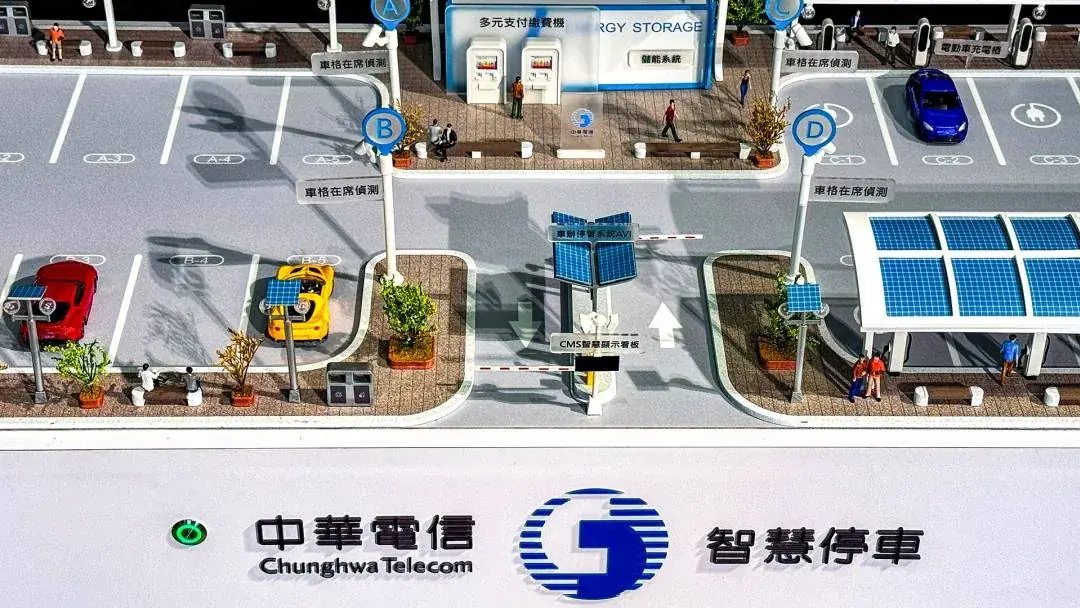
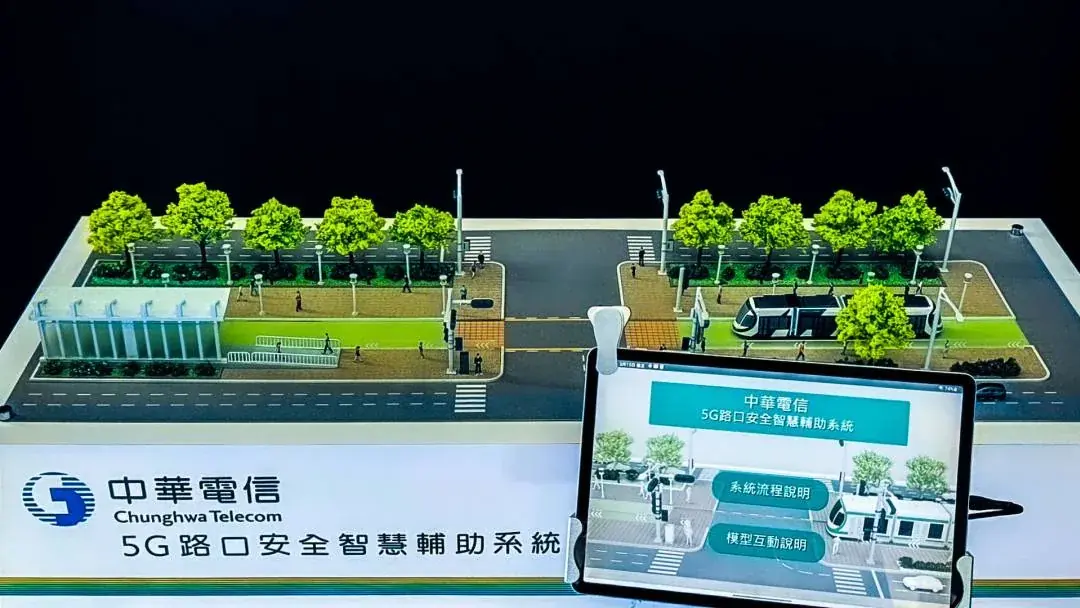
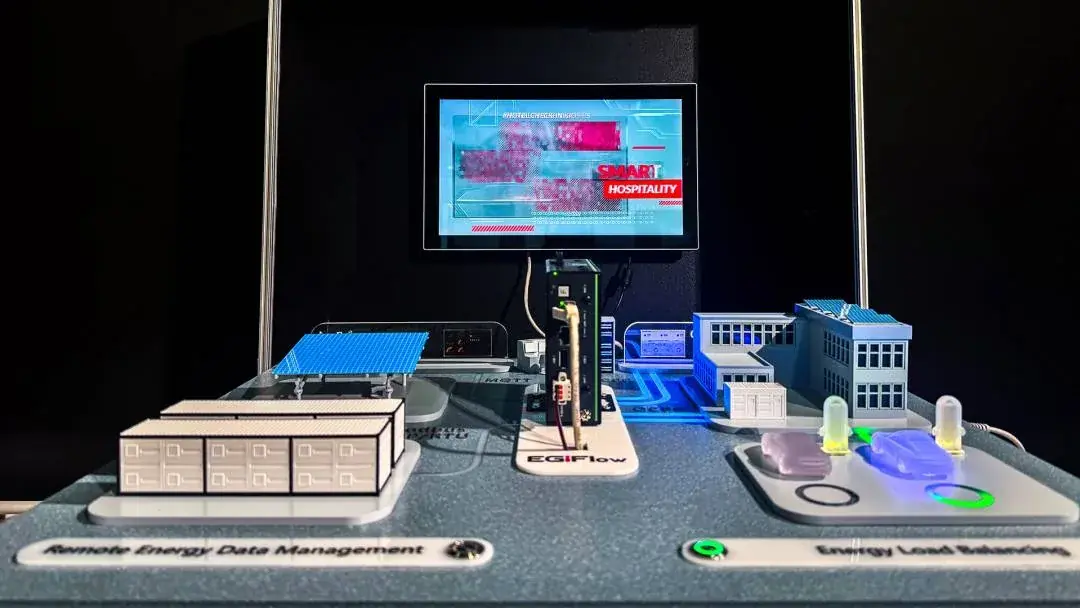
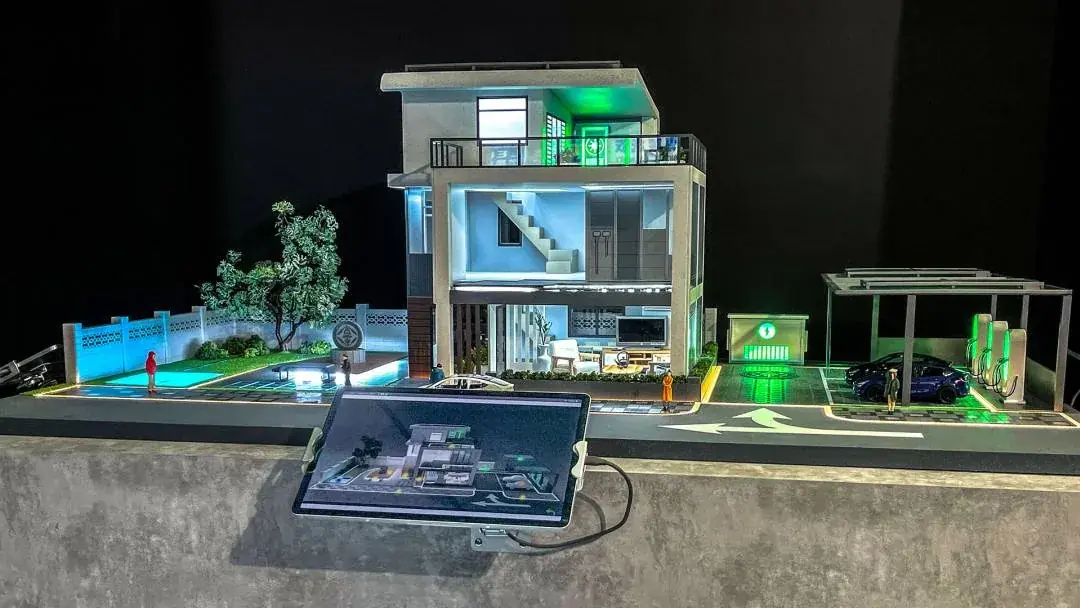
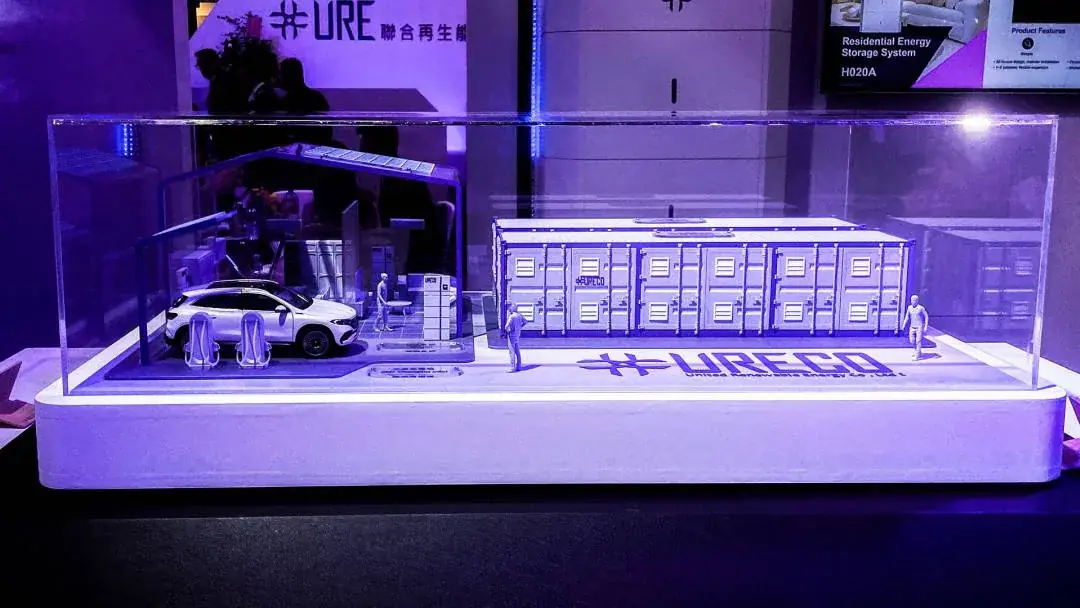
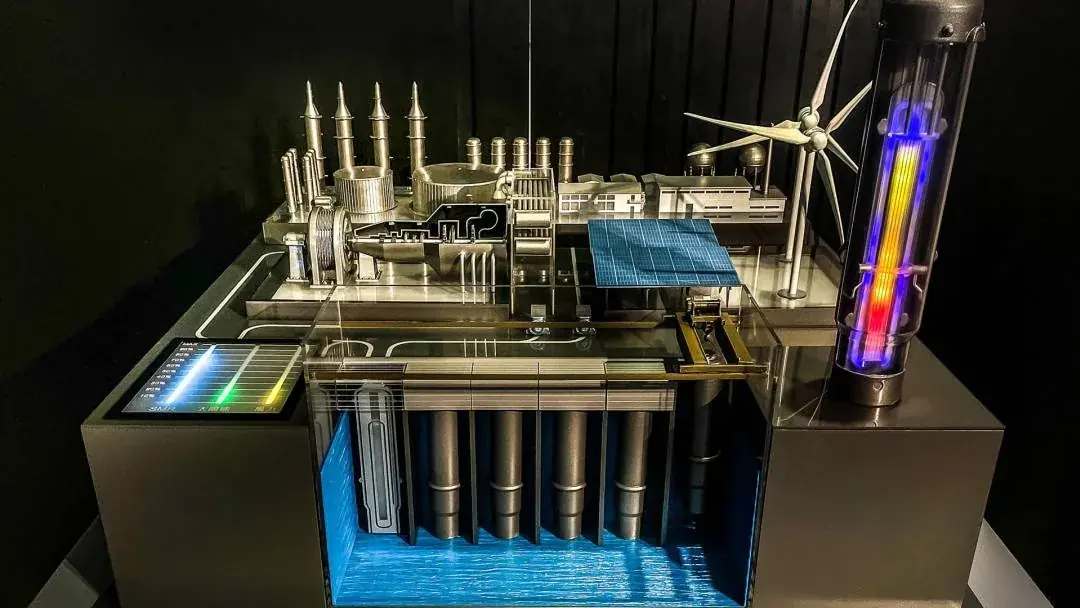
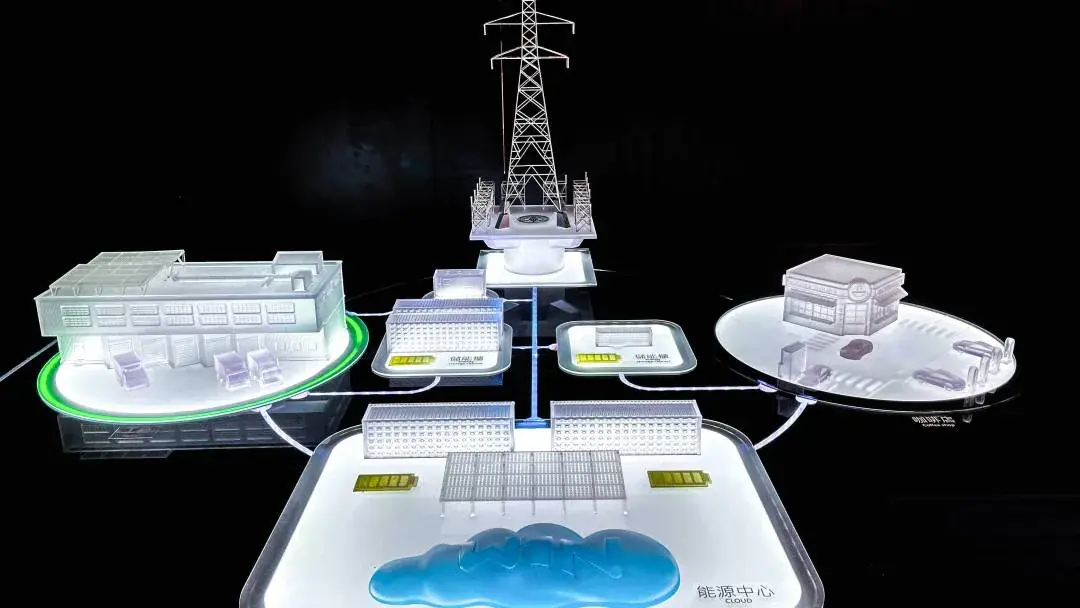
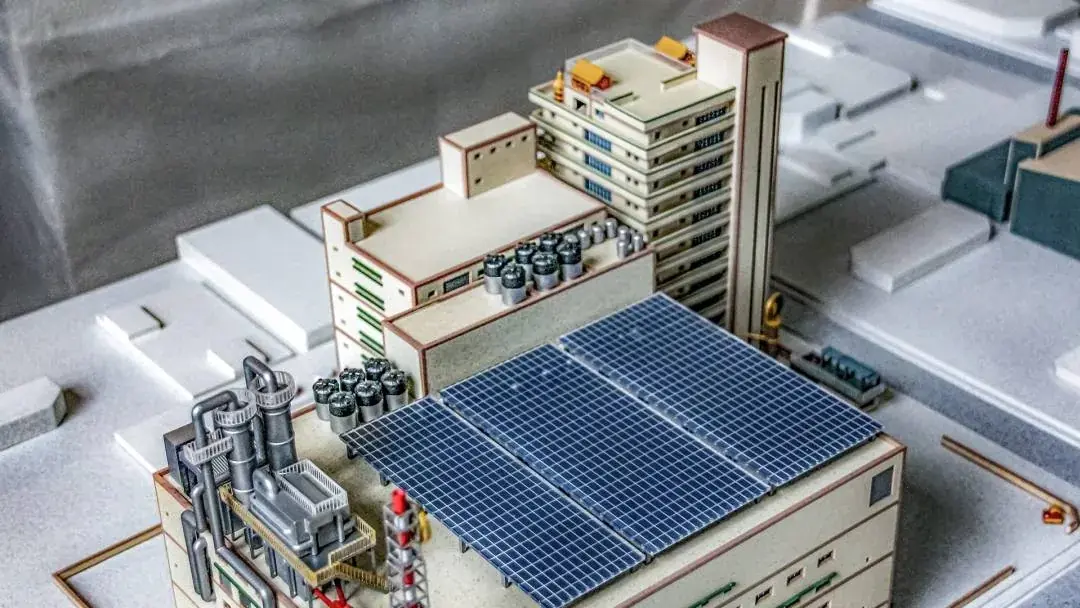
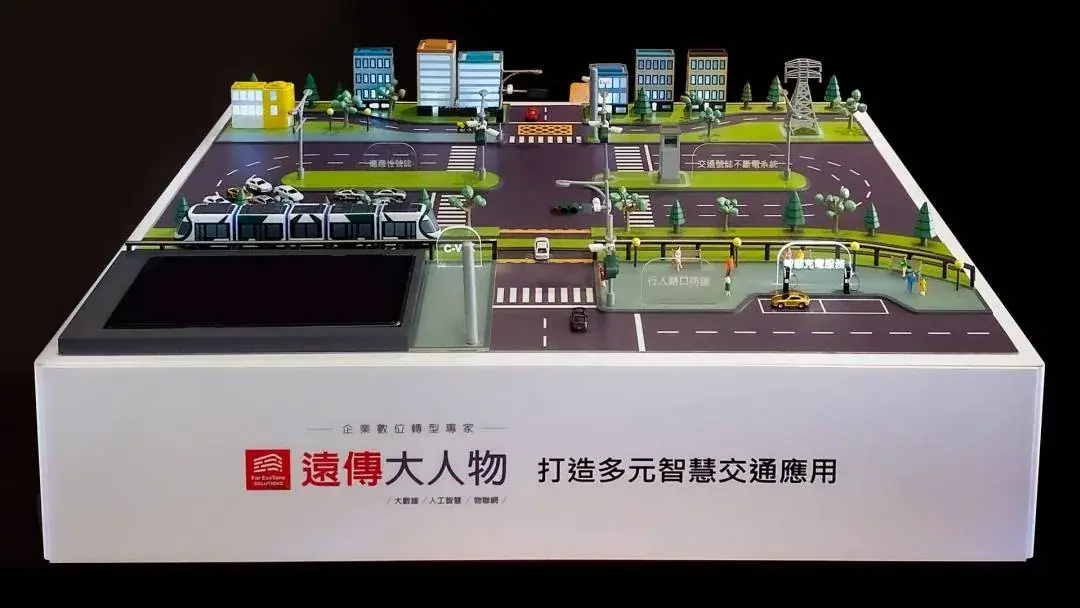
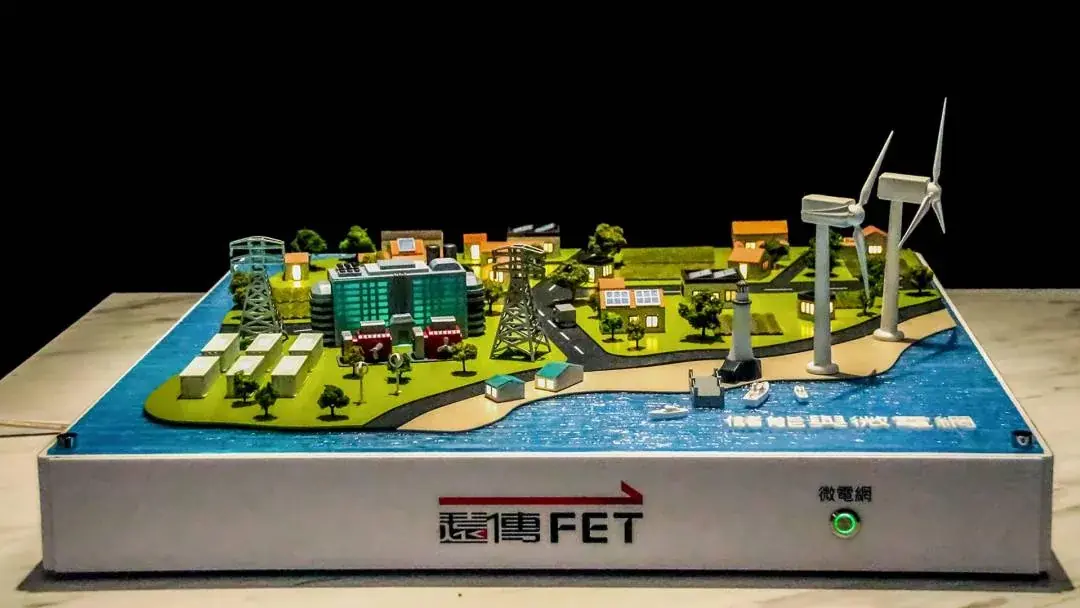
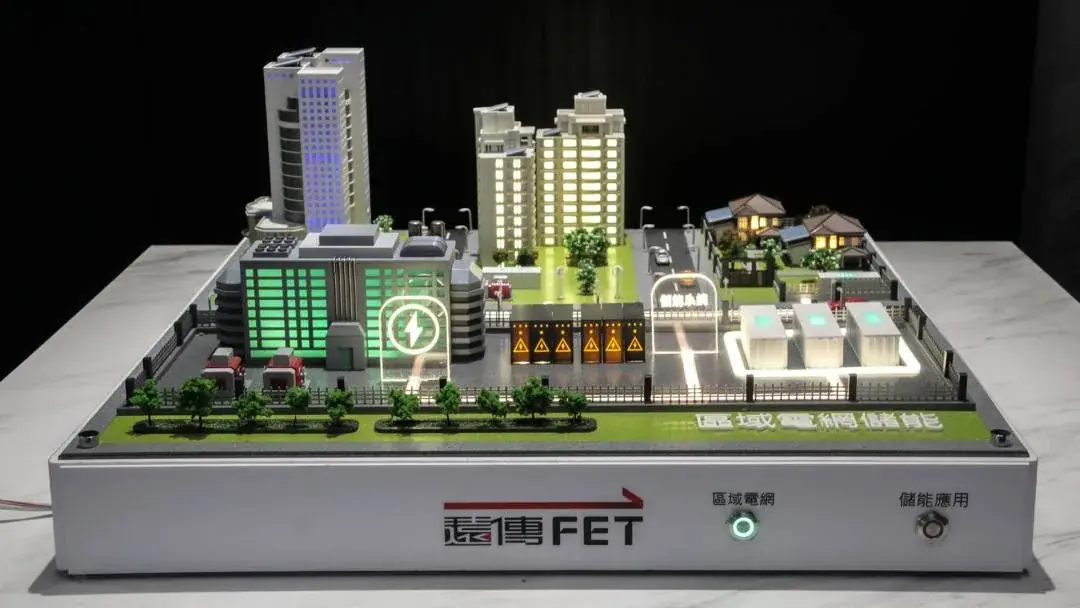
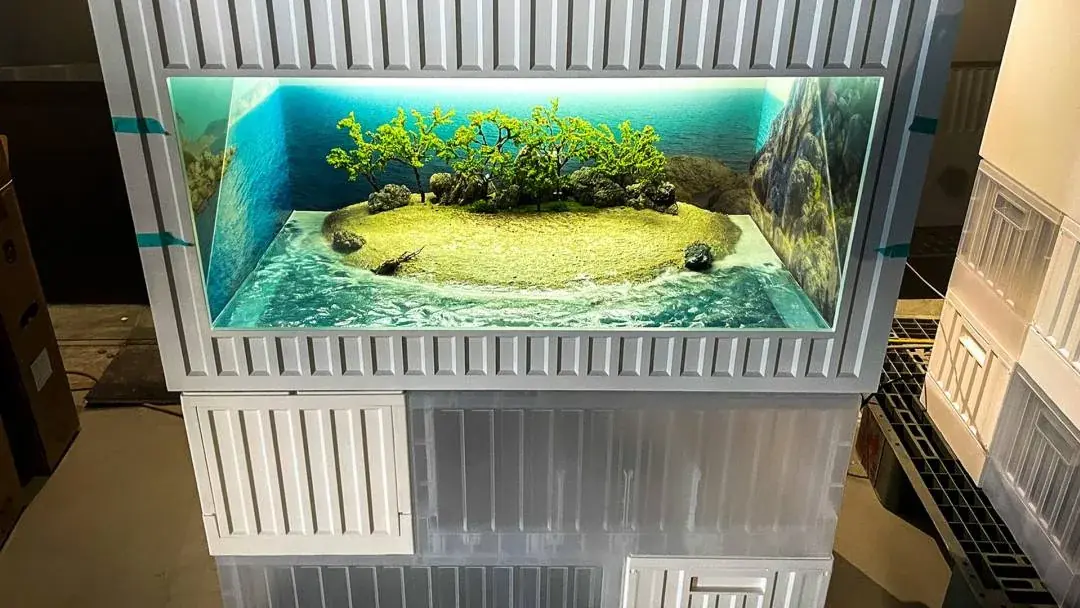
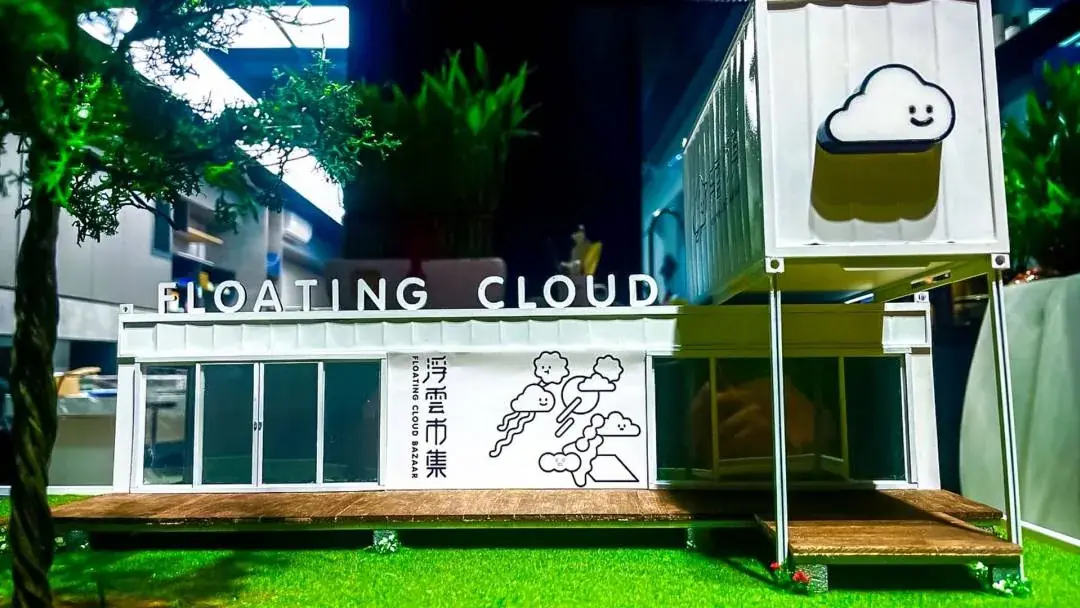
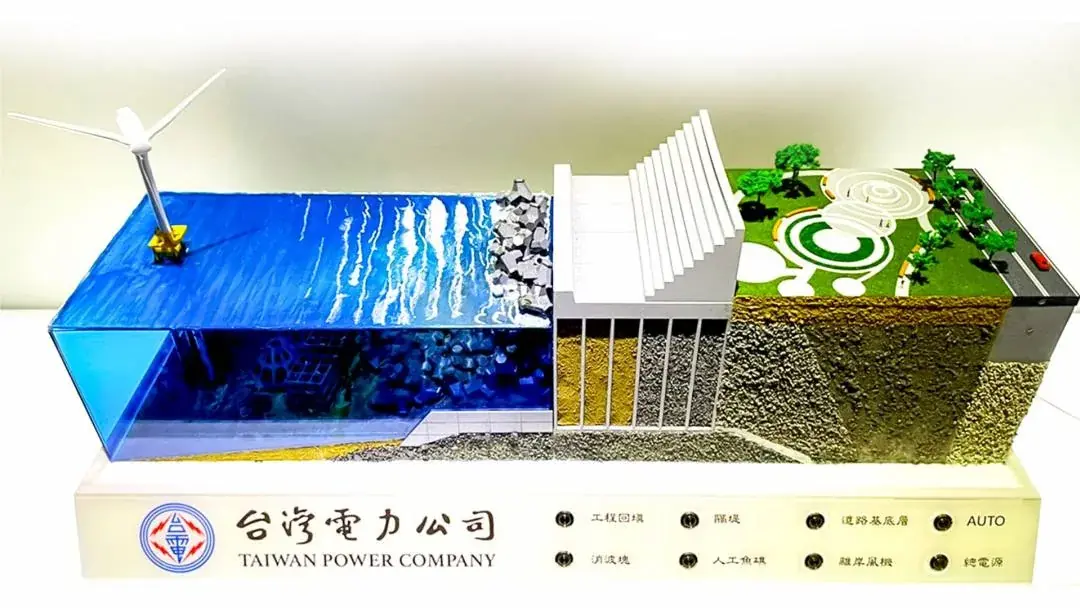
Combine buildings, landscapes, characters and settings to communicate a brand and shape an exhibition space.
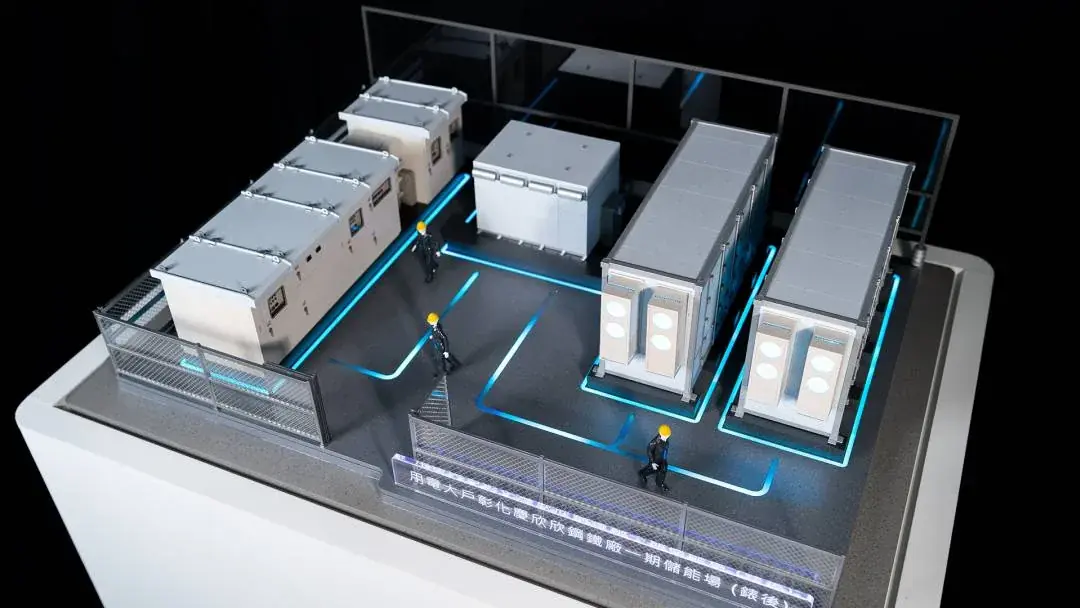
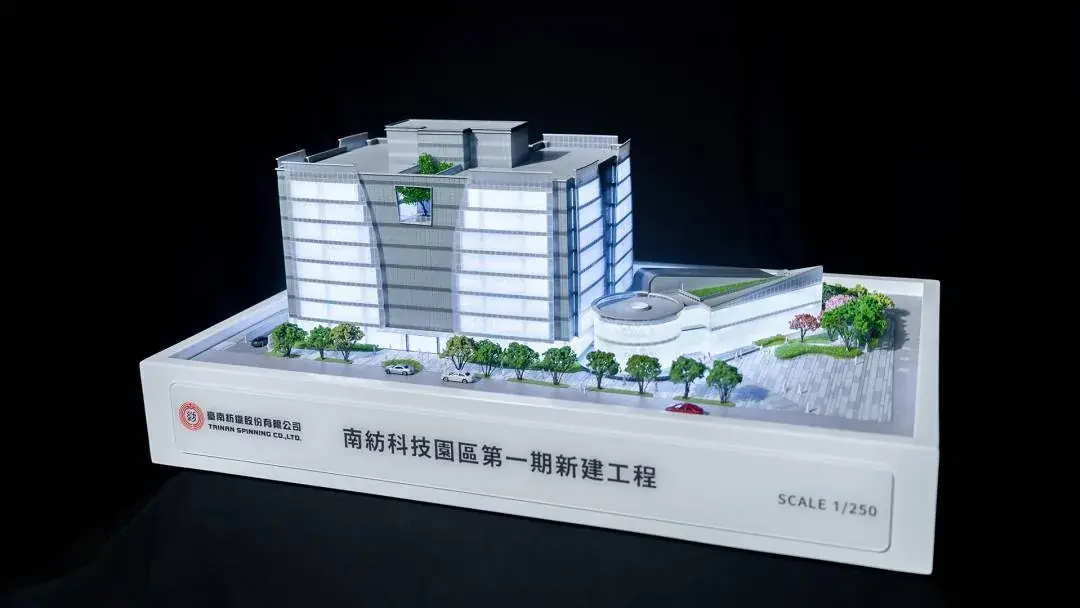
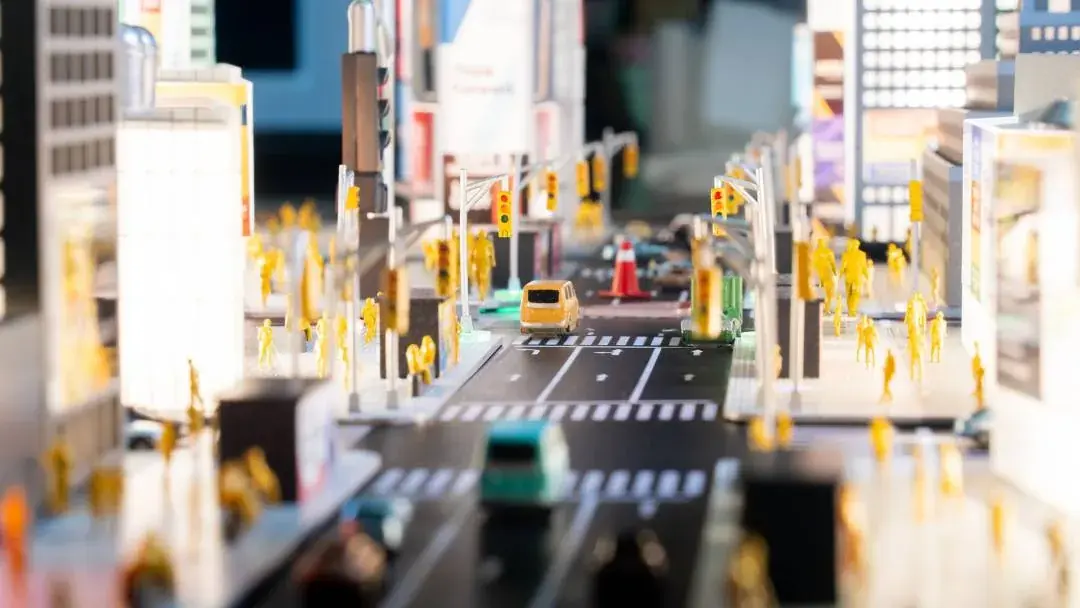
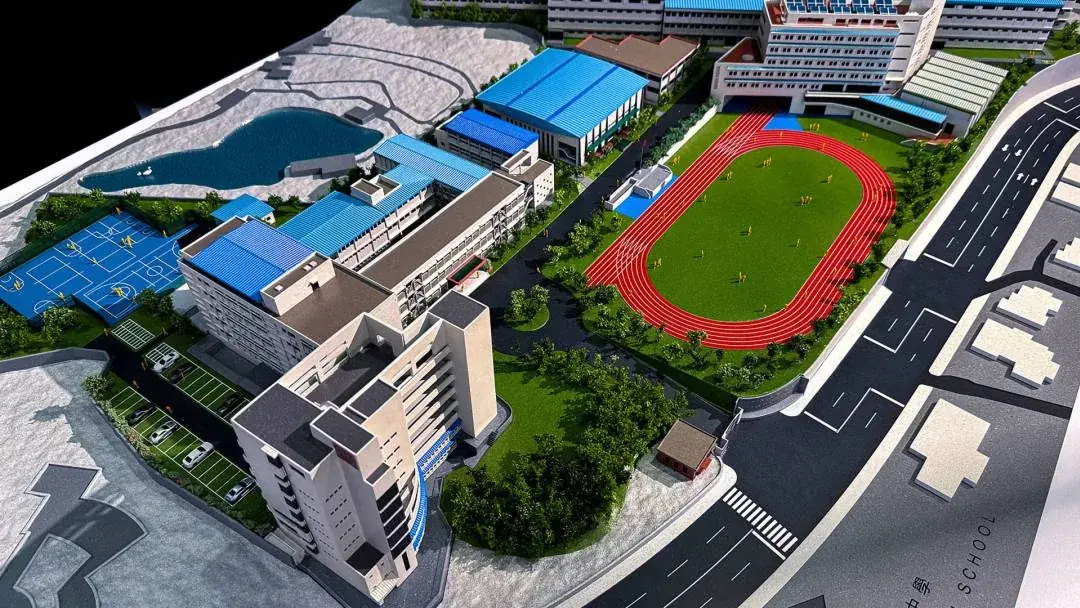
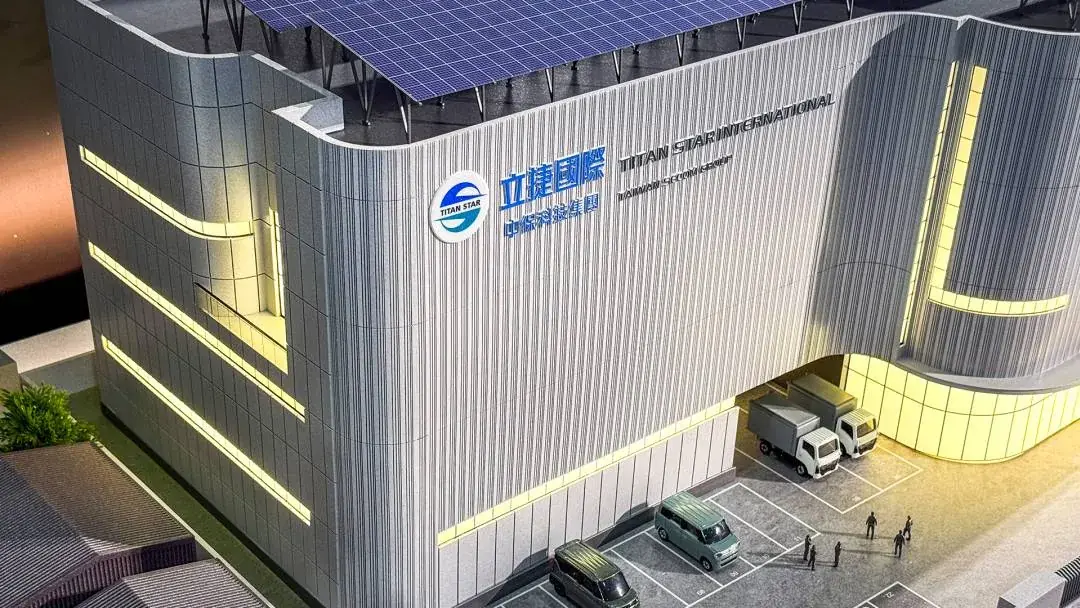
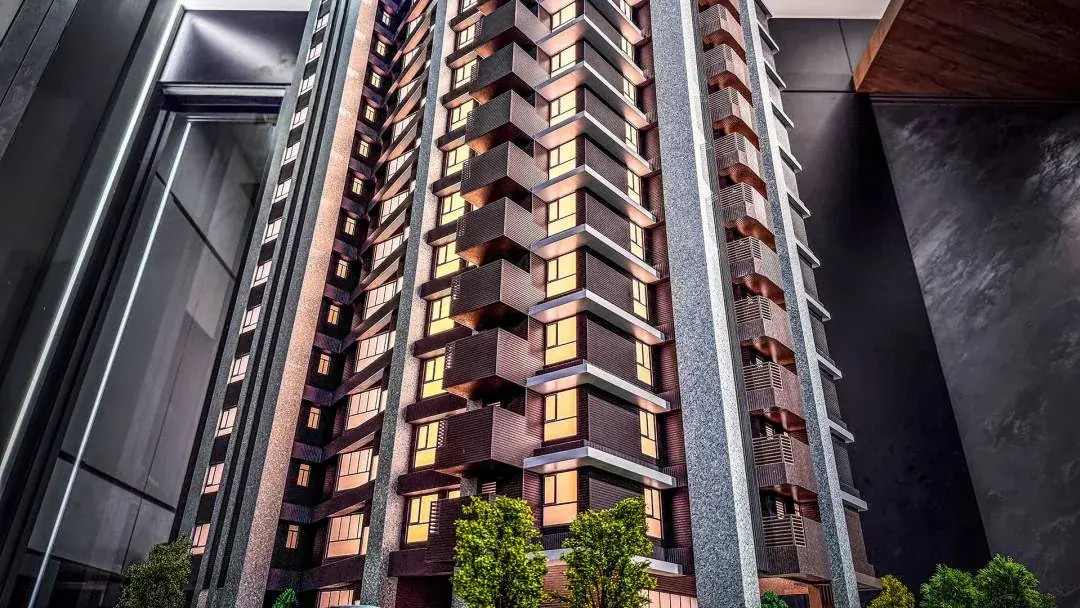
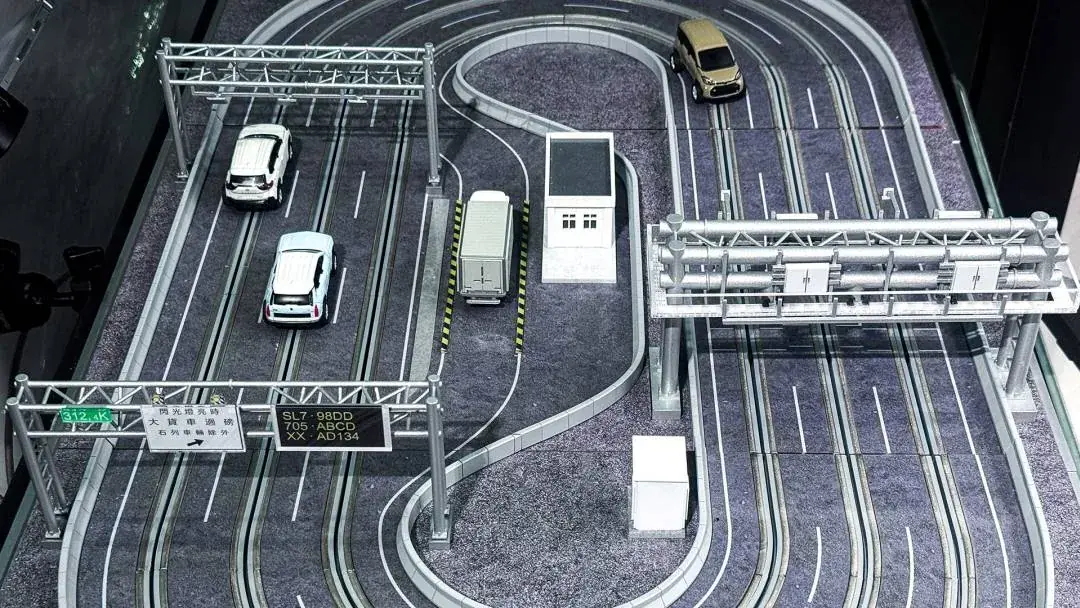
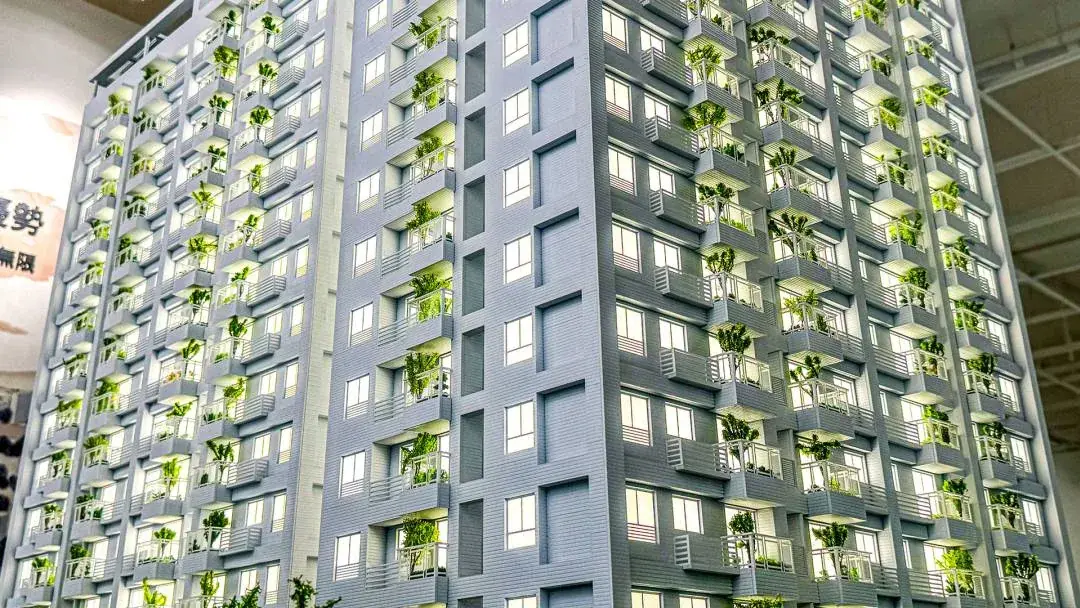
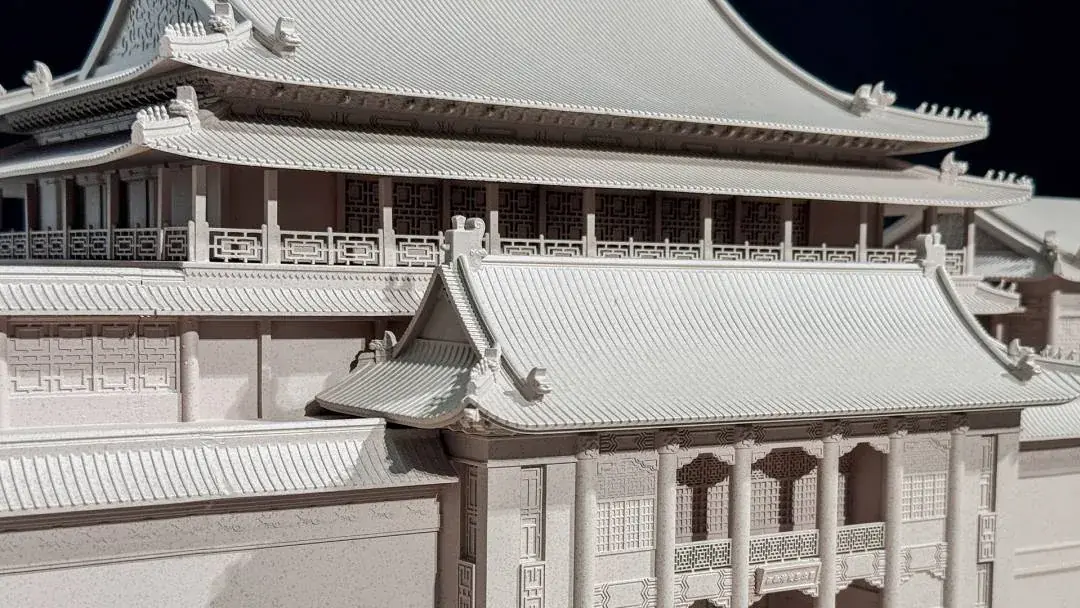
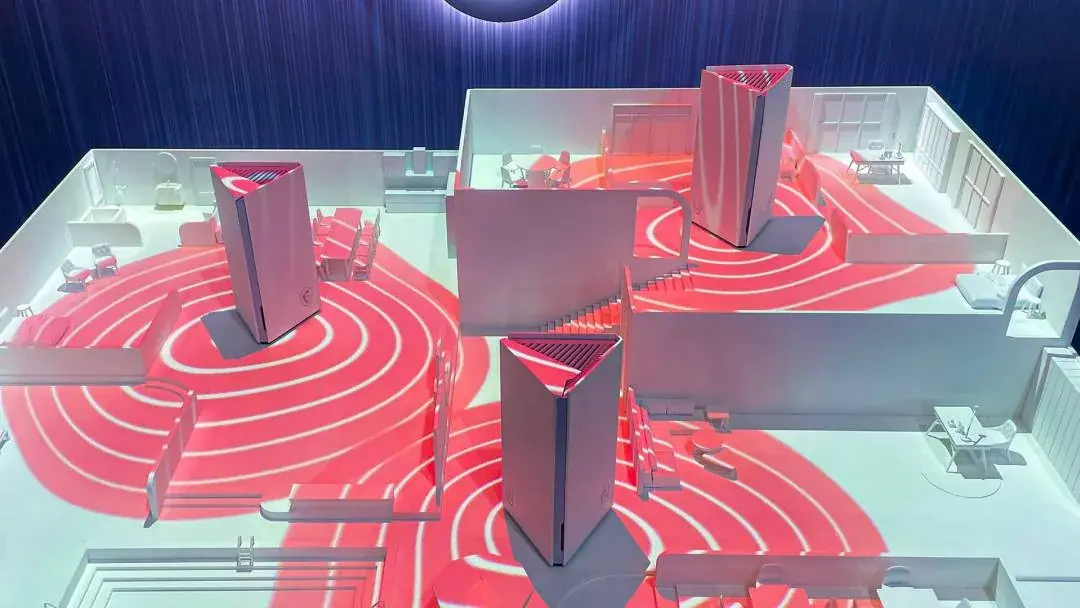
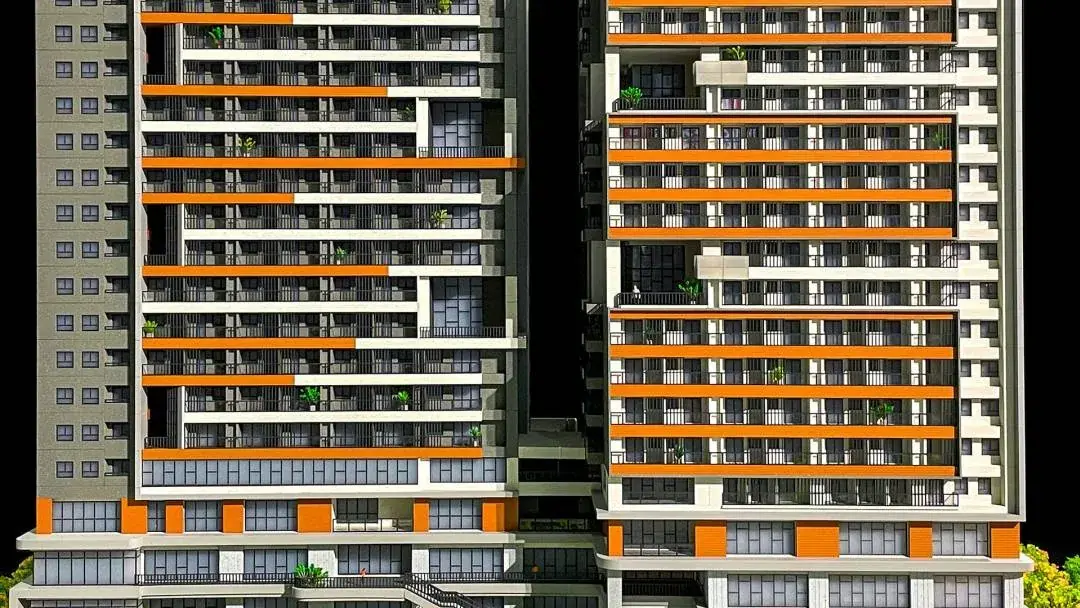
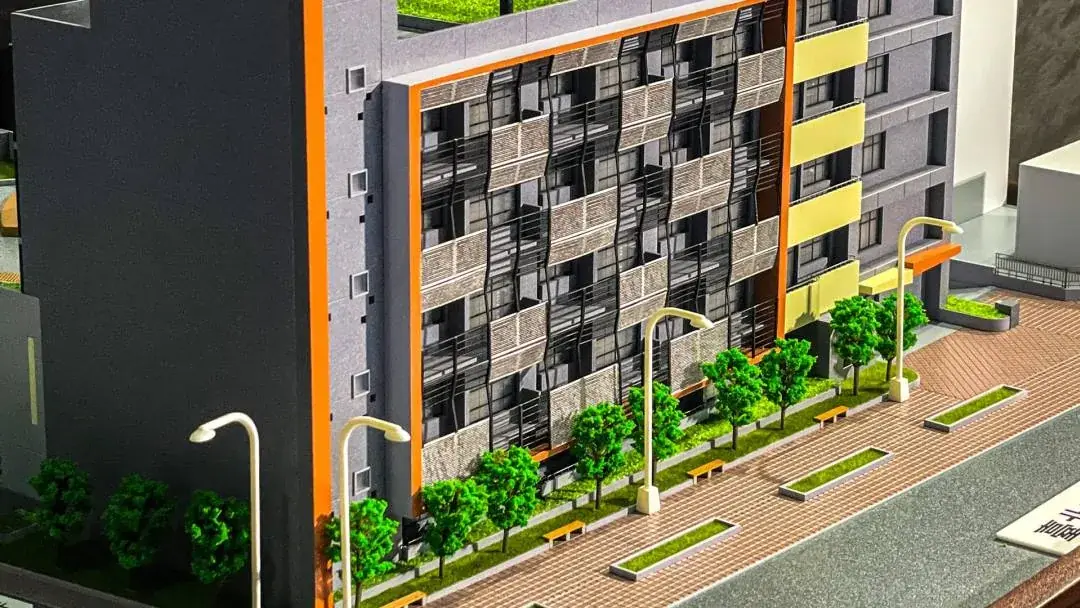
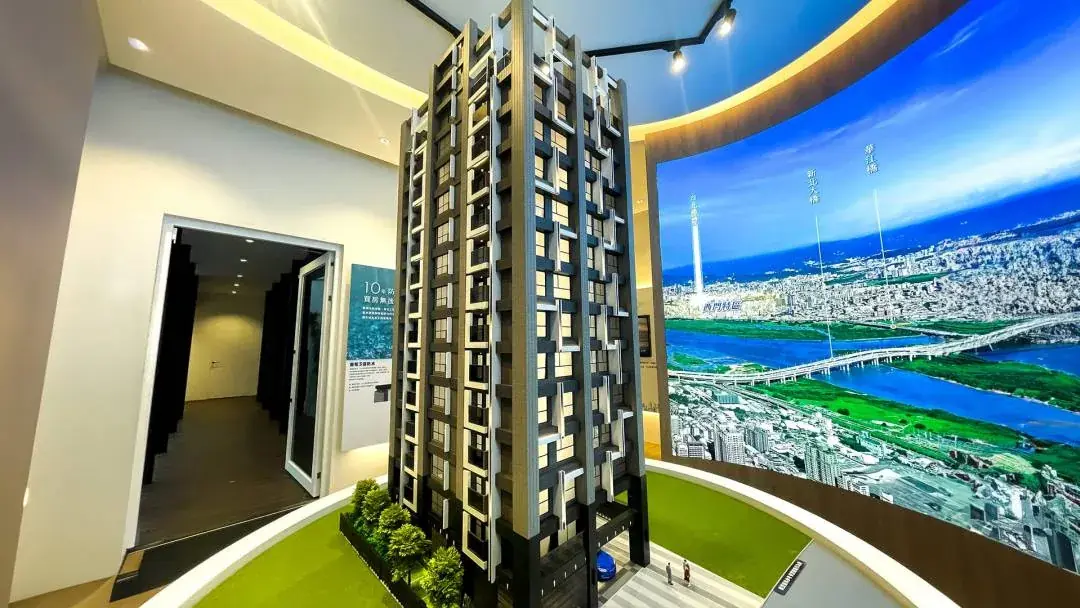
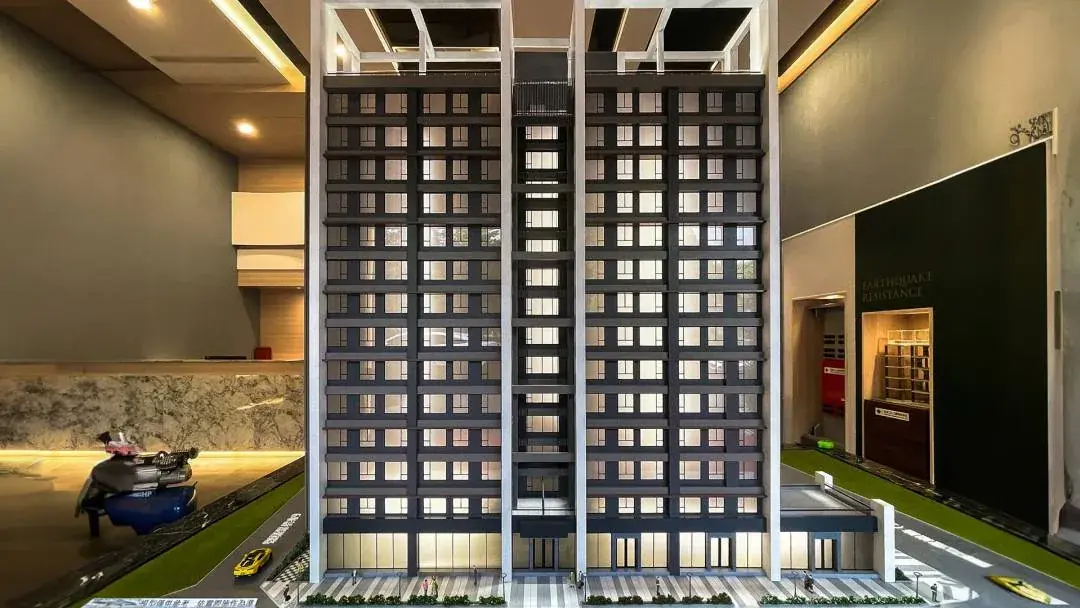
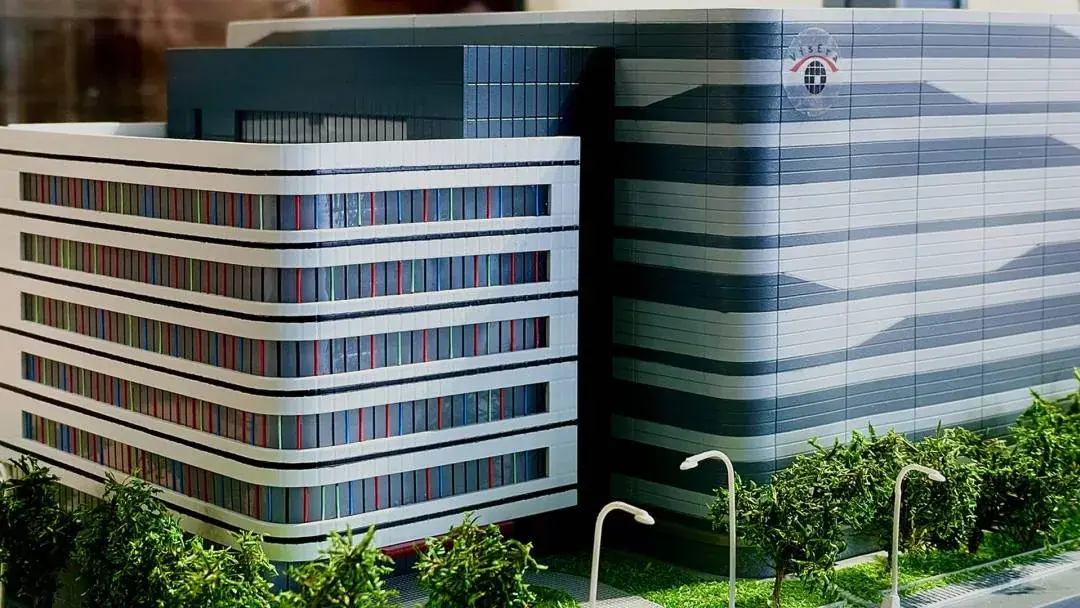
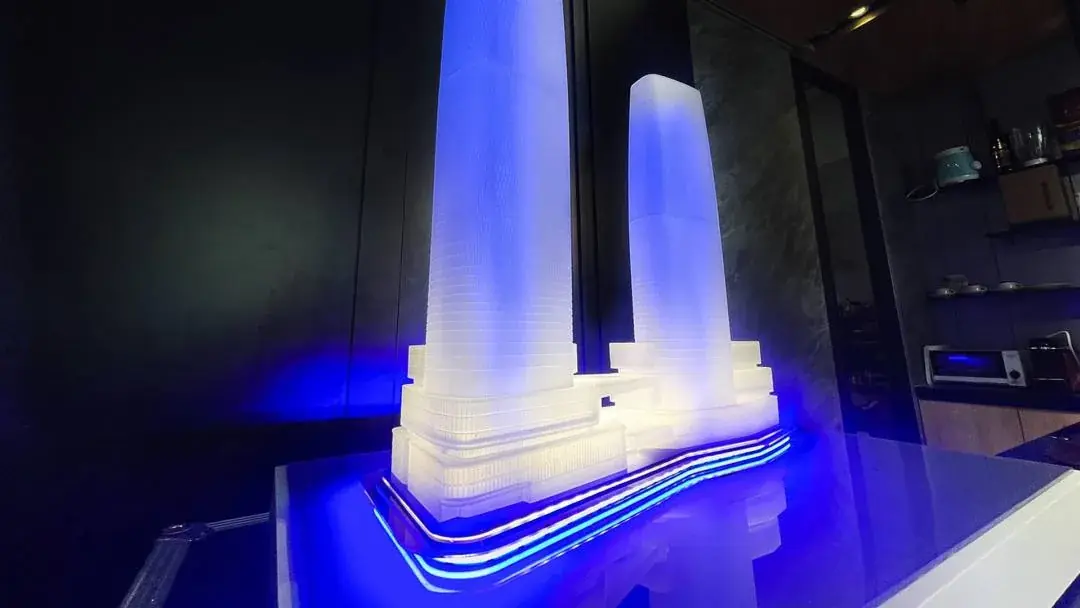
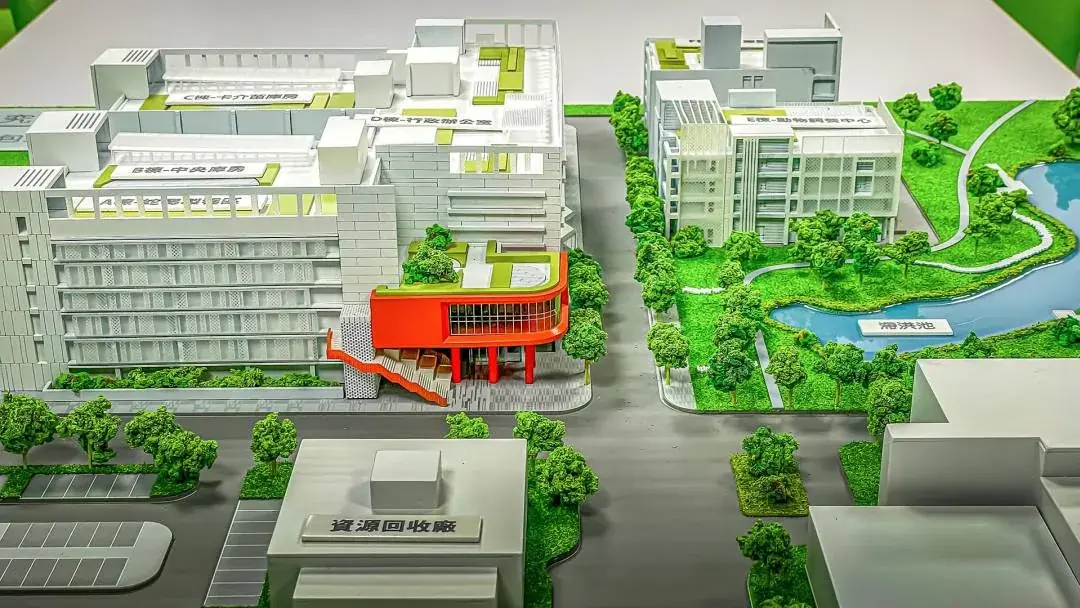
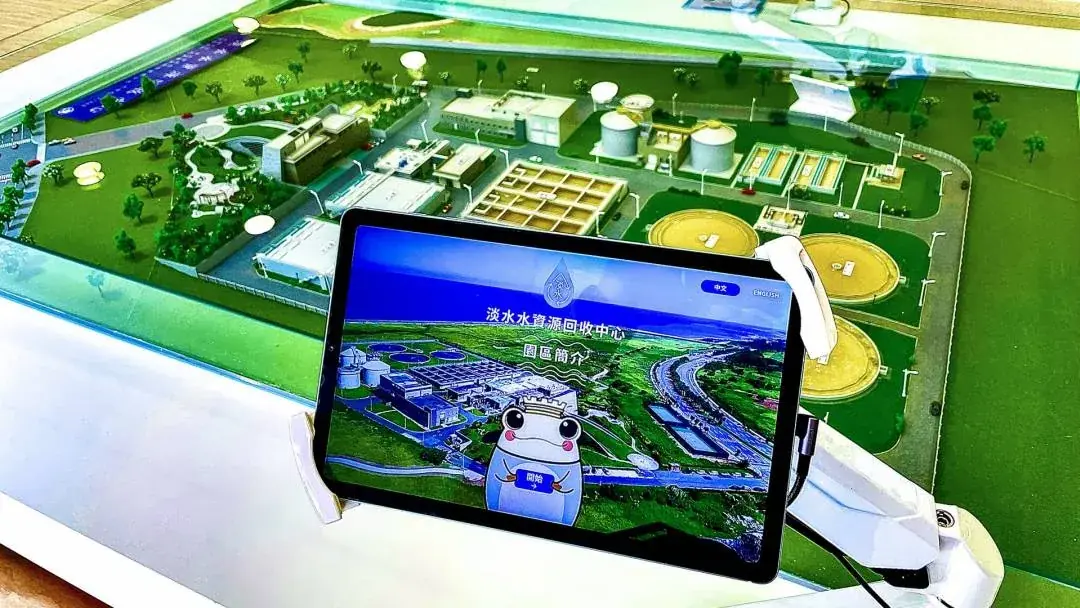
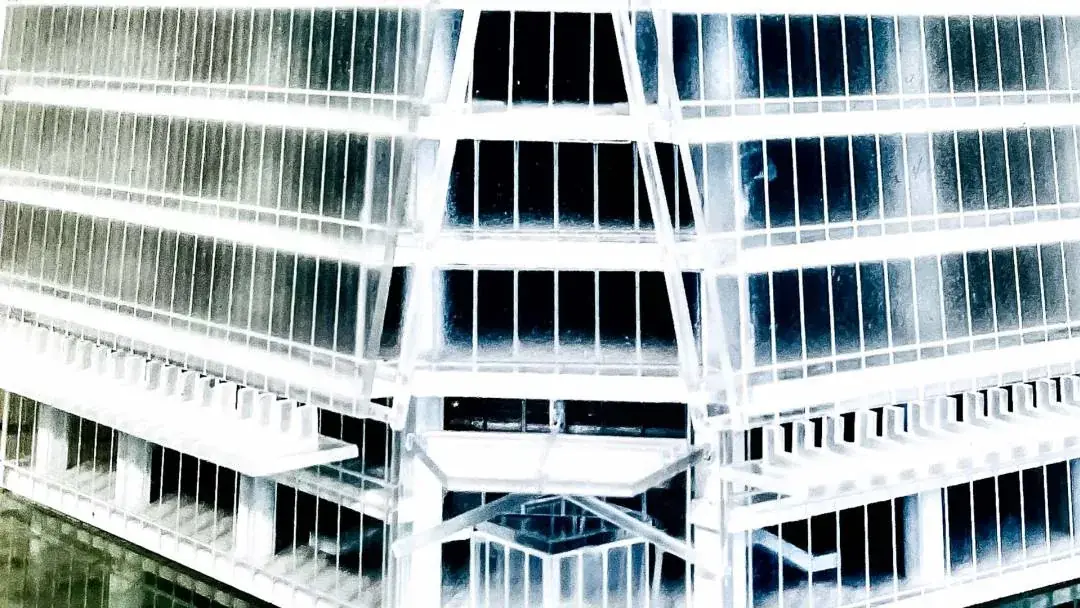
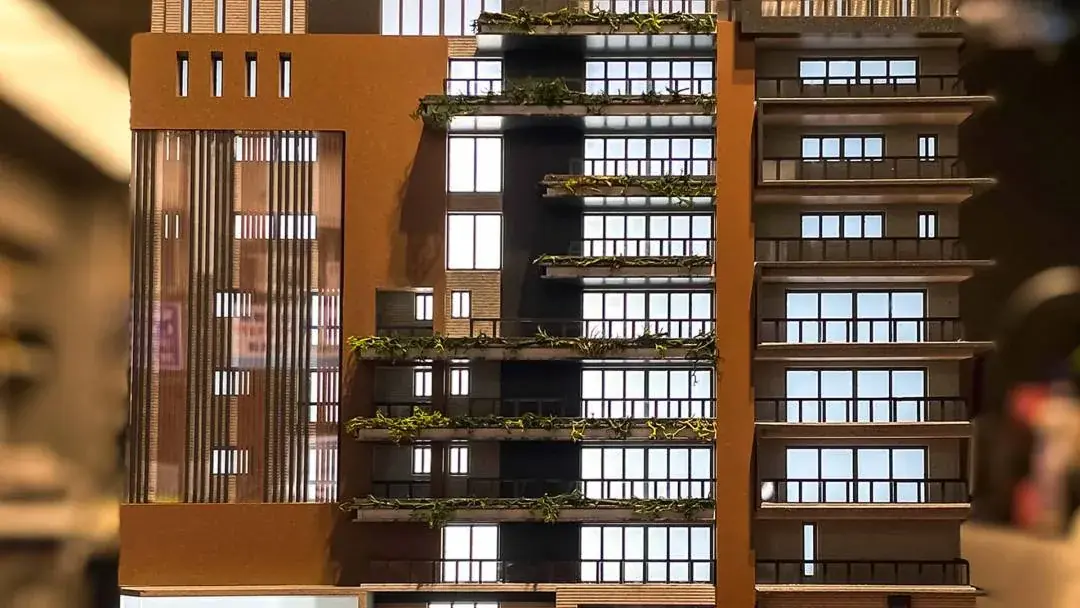
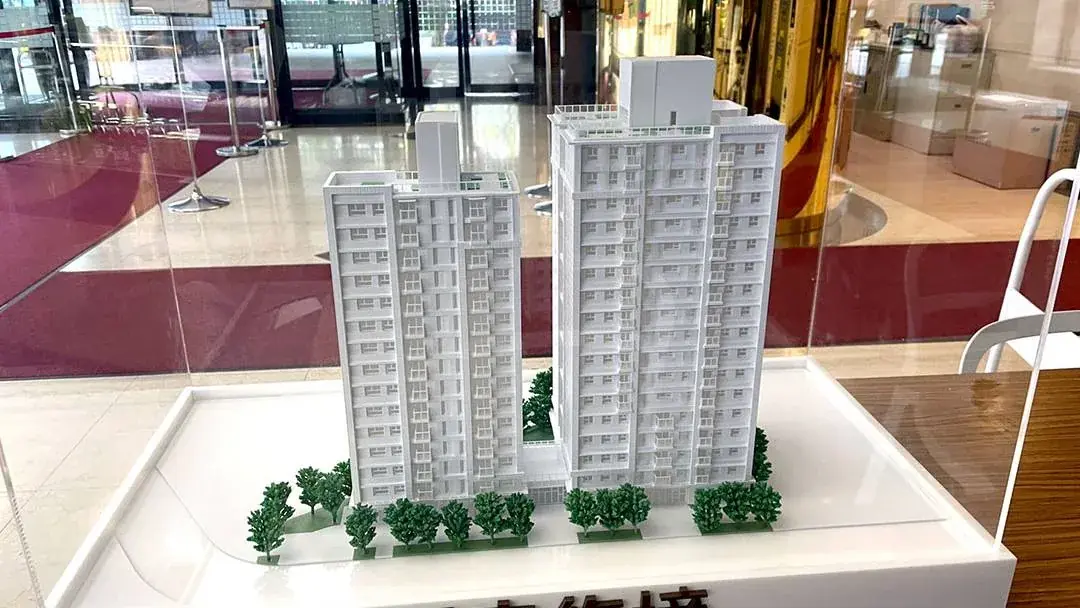
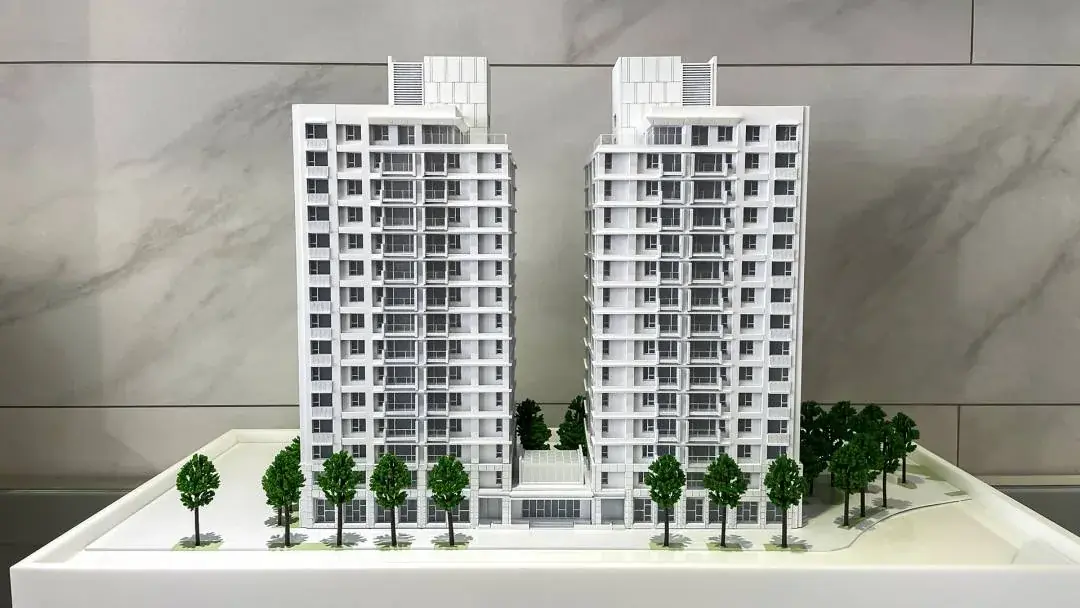
2. Architectural models
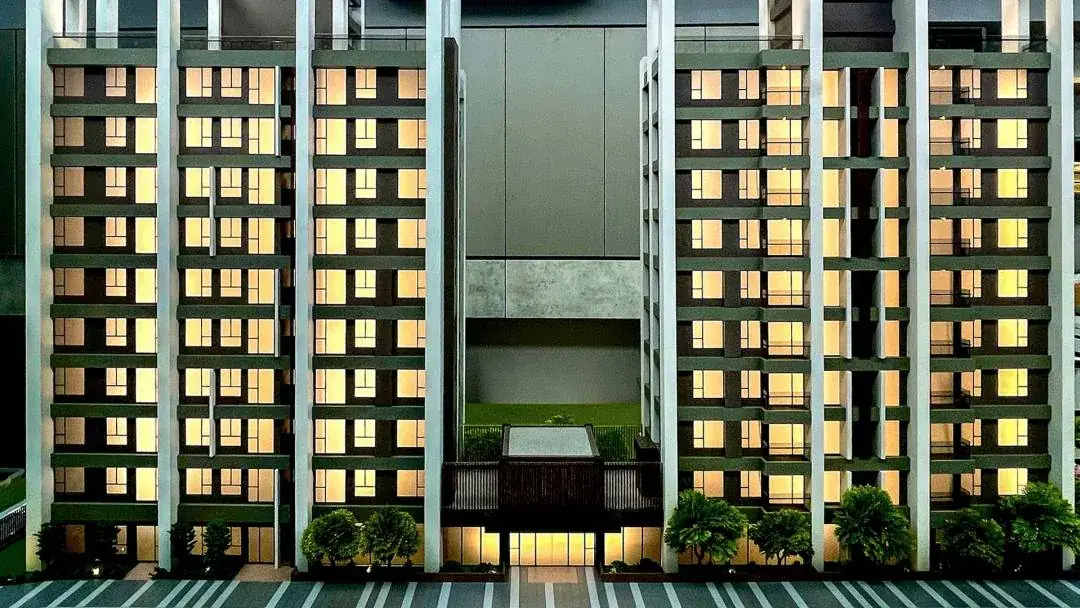
Turn drawings into physical models for communicating layouts and circulation in campuses, developments and public facilities.
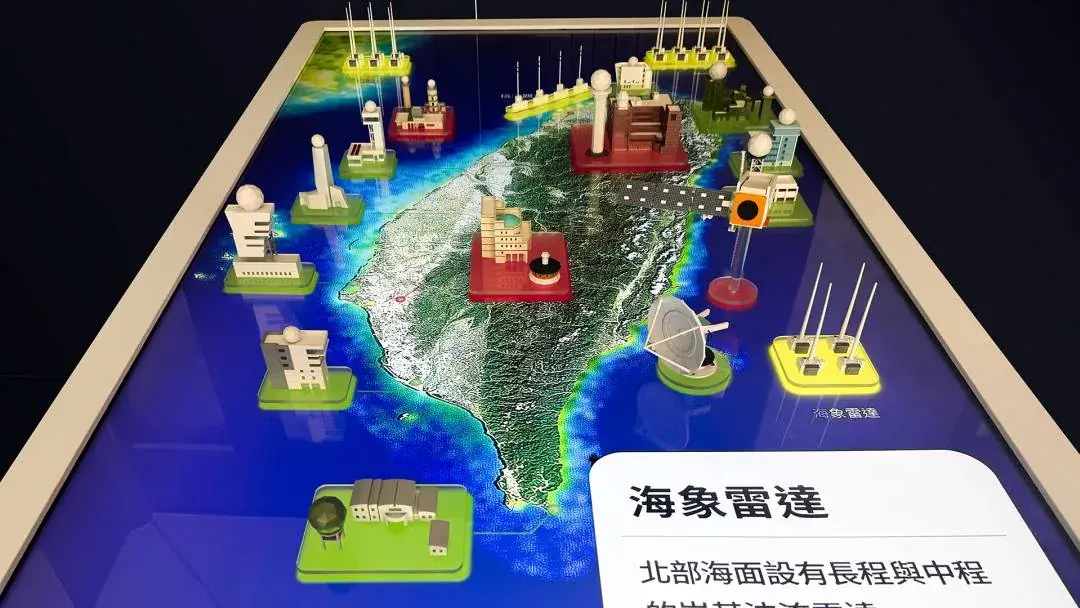
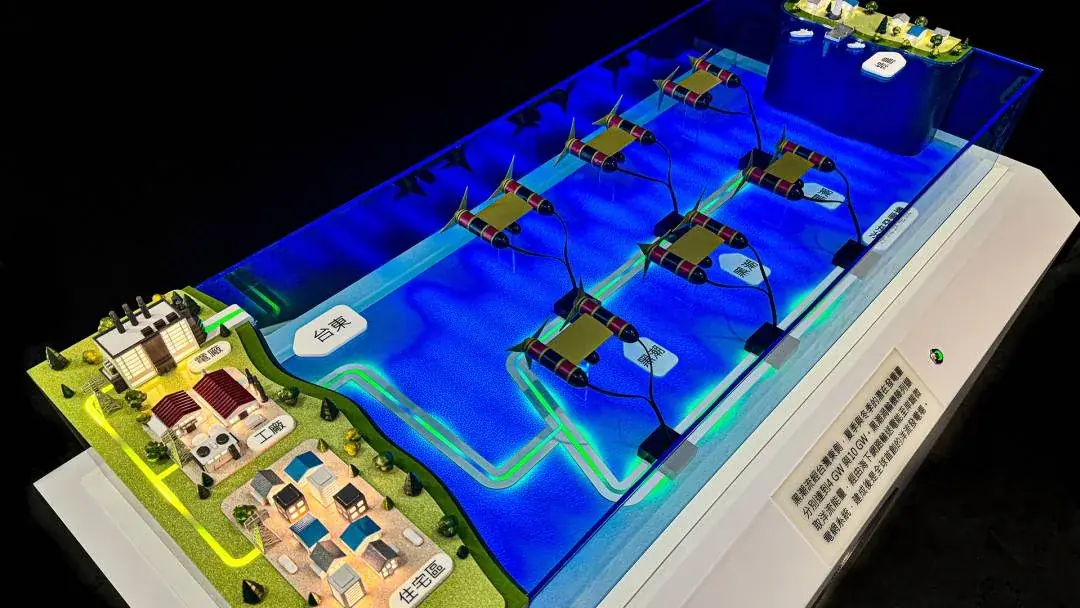
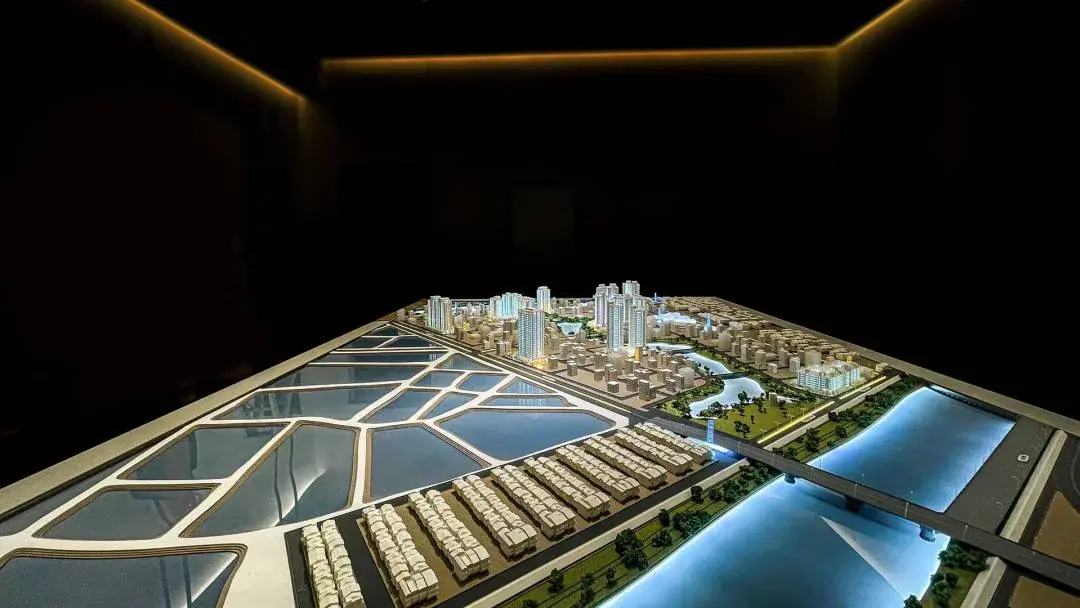
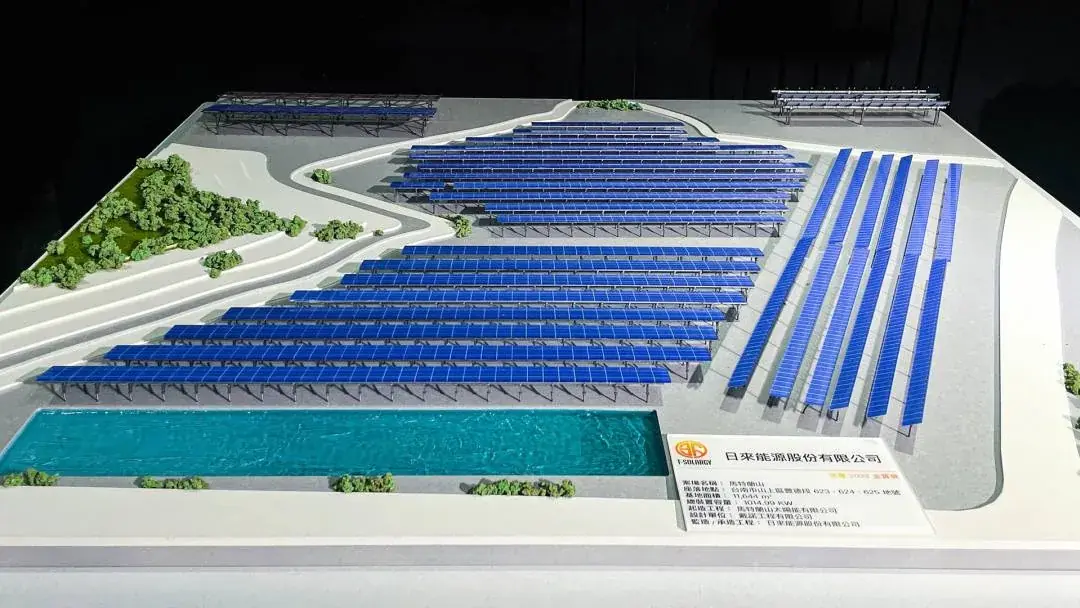
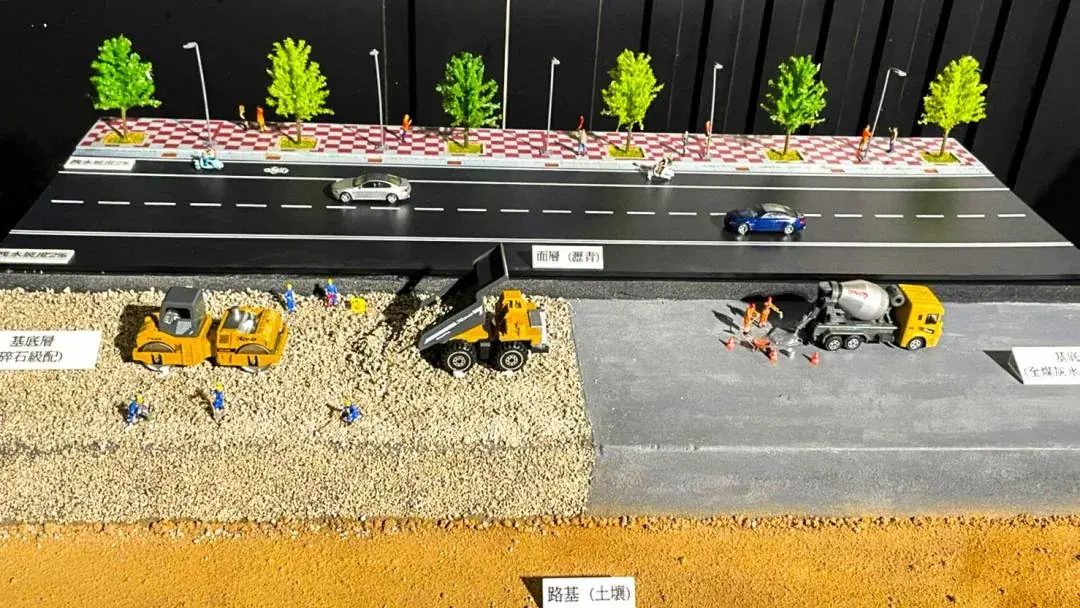
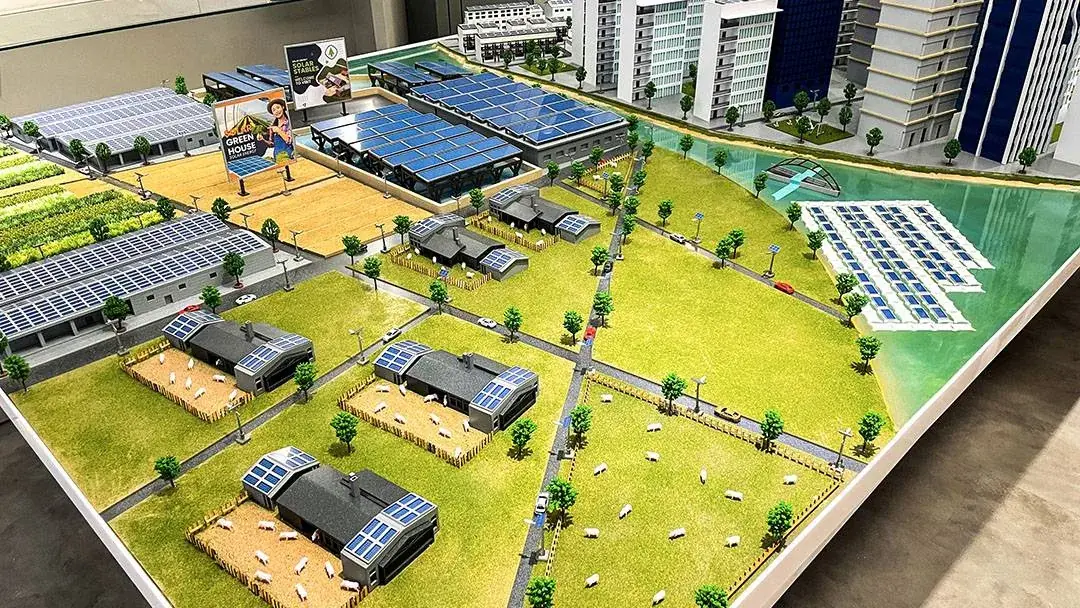
3. Landscape models
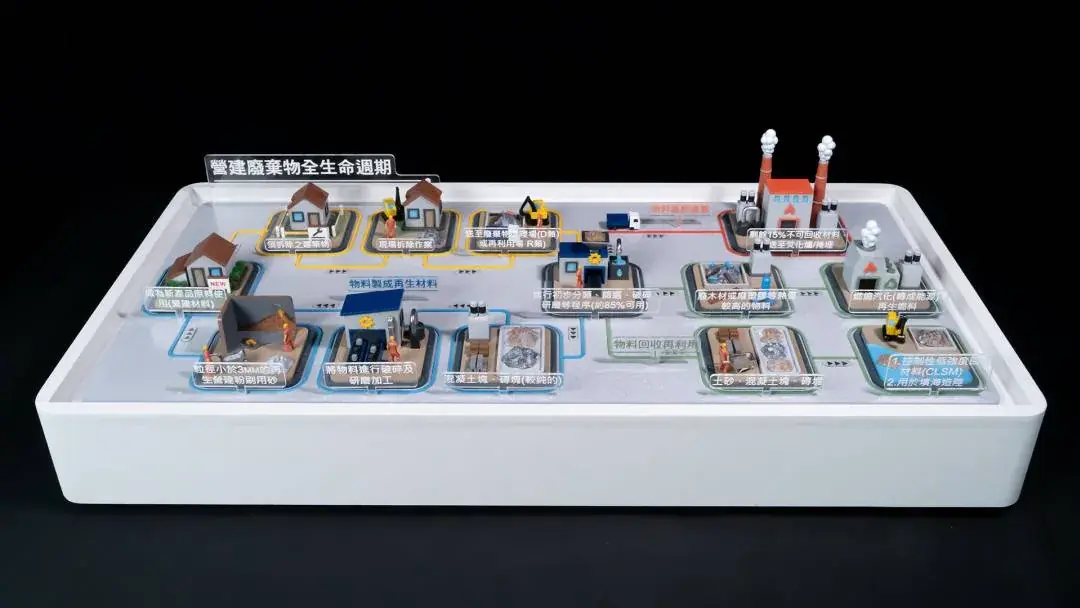
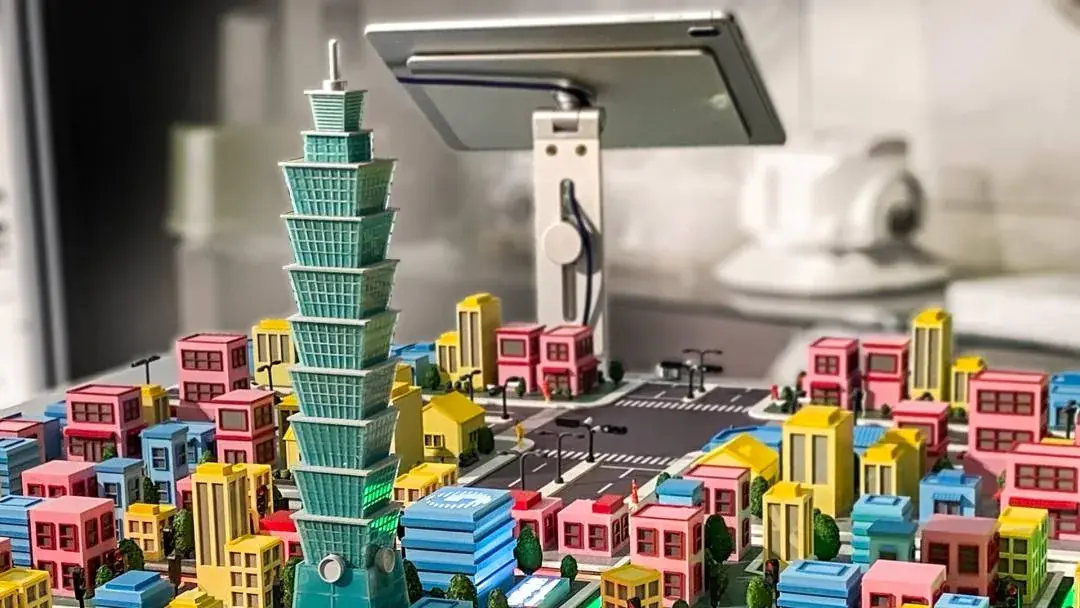
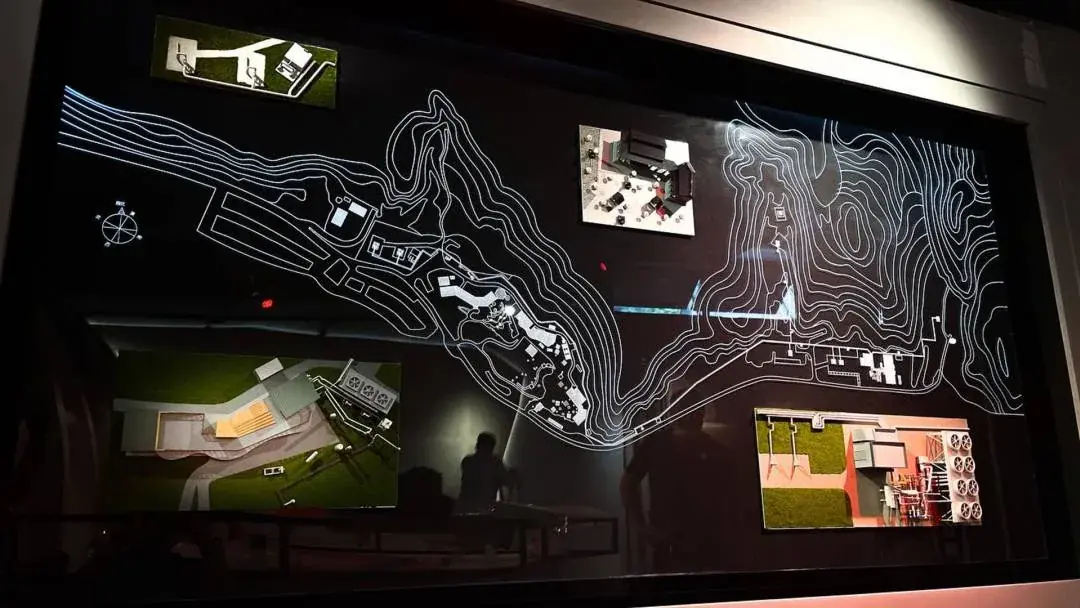
Show terrain and site layouts for development planning, geographical information and overall spatial arrangements.
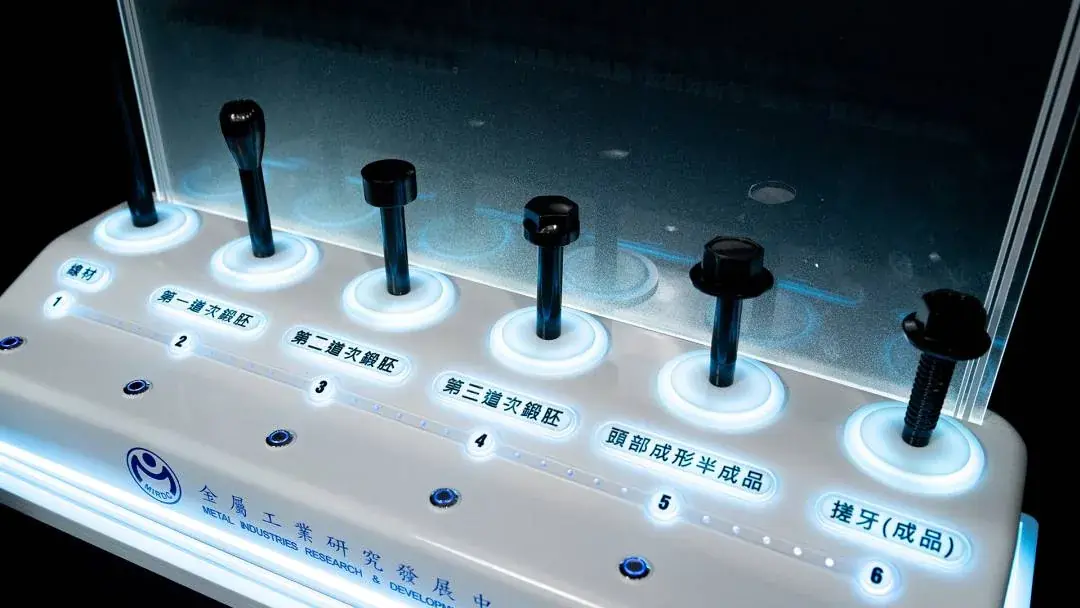
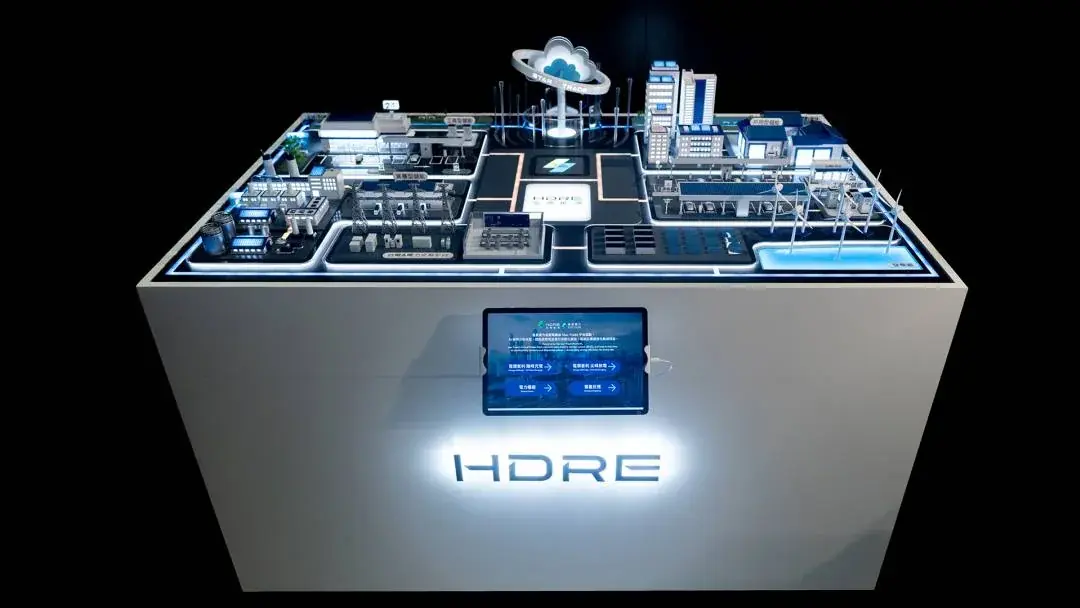
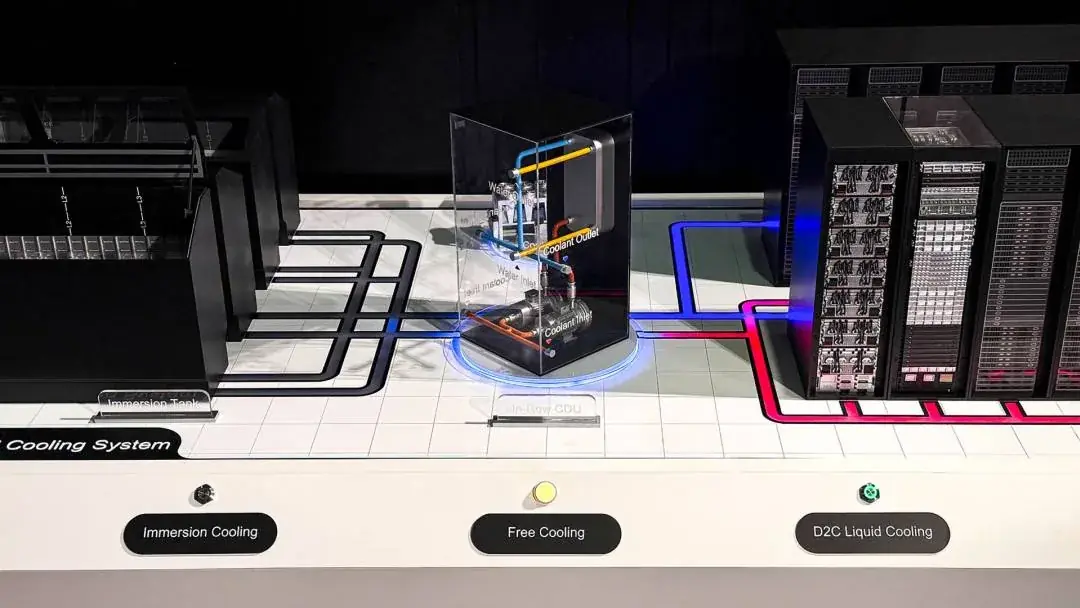
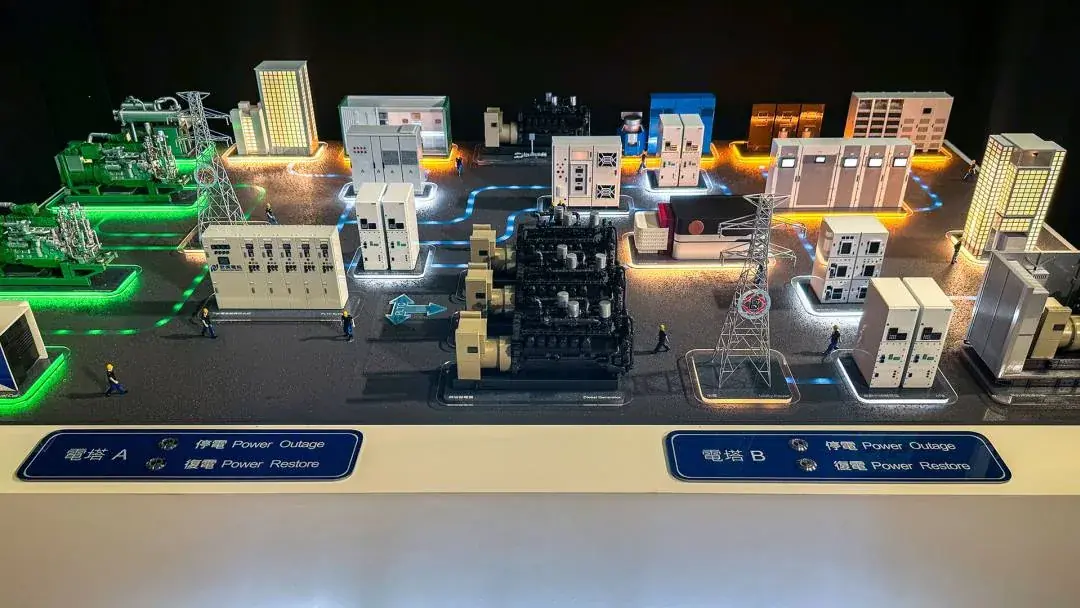
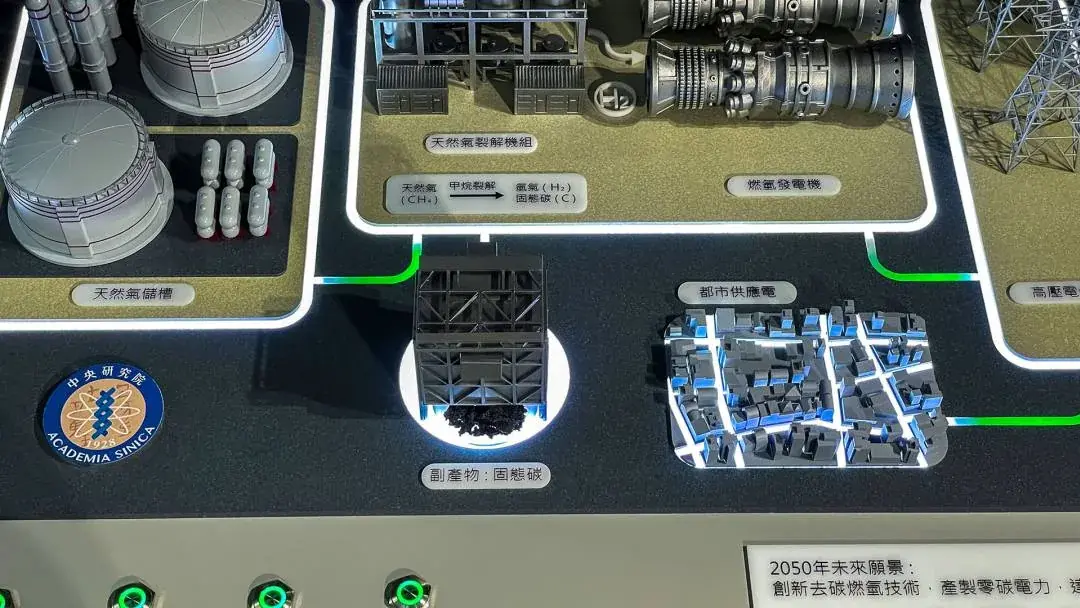
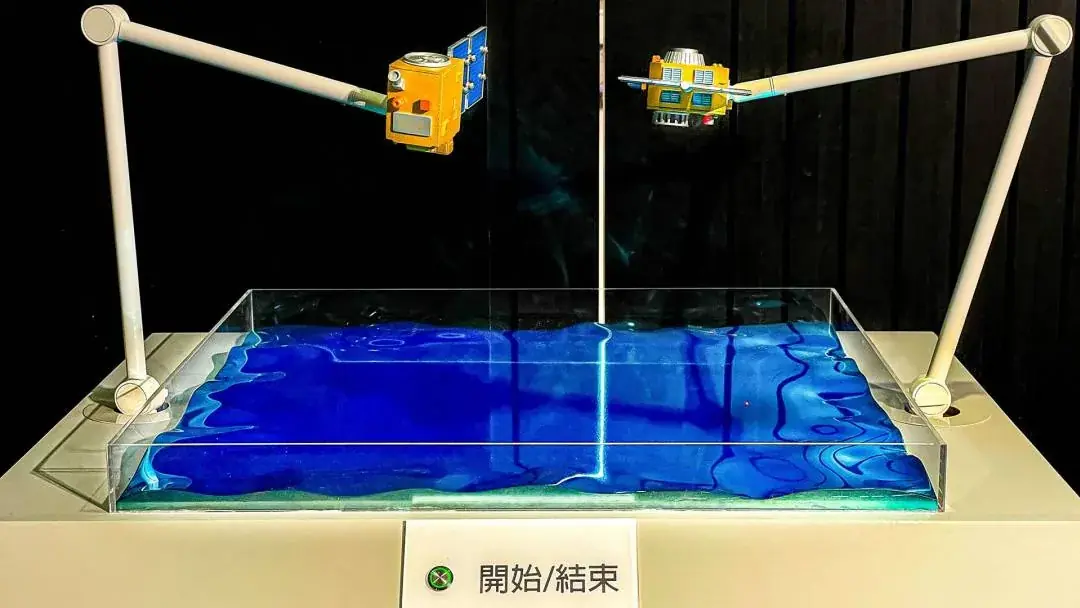
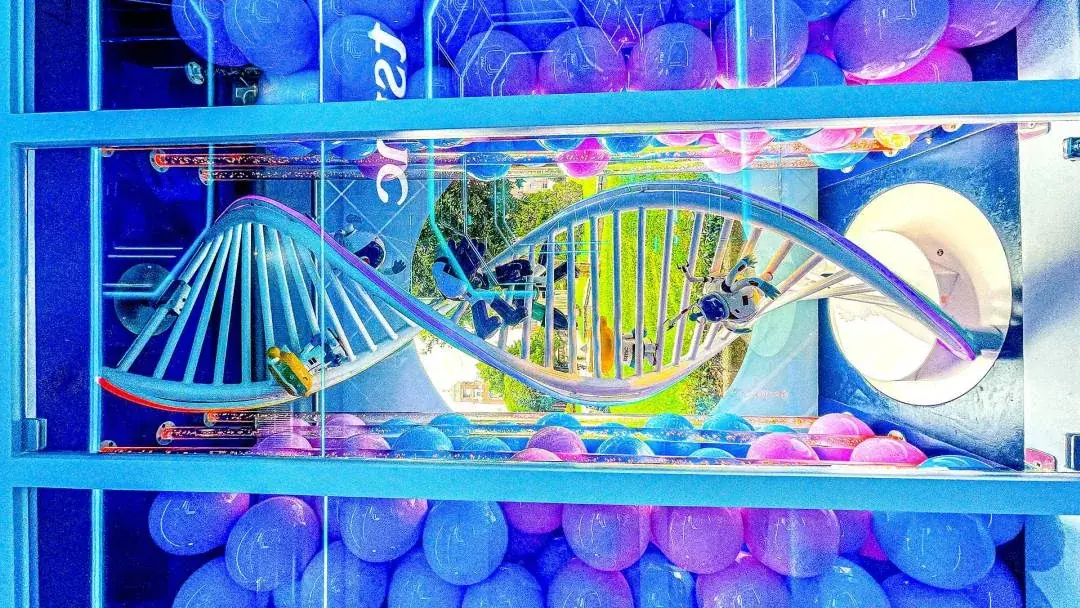
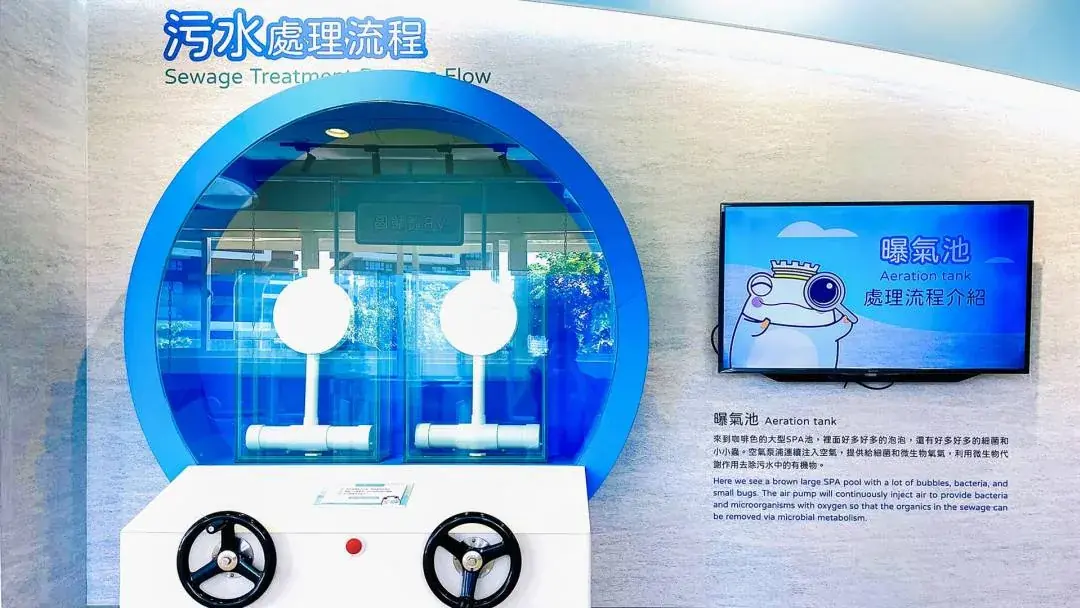
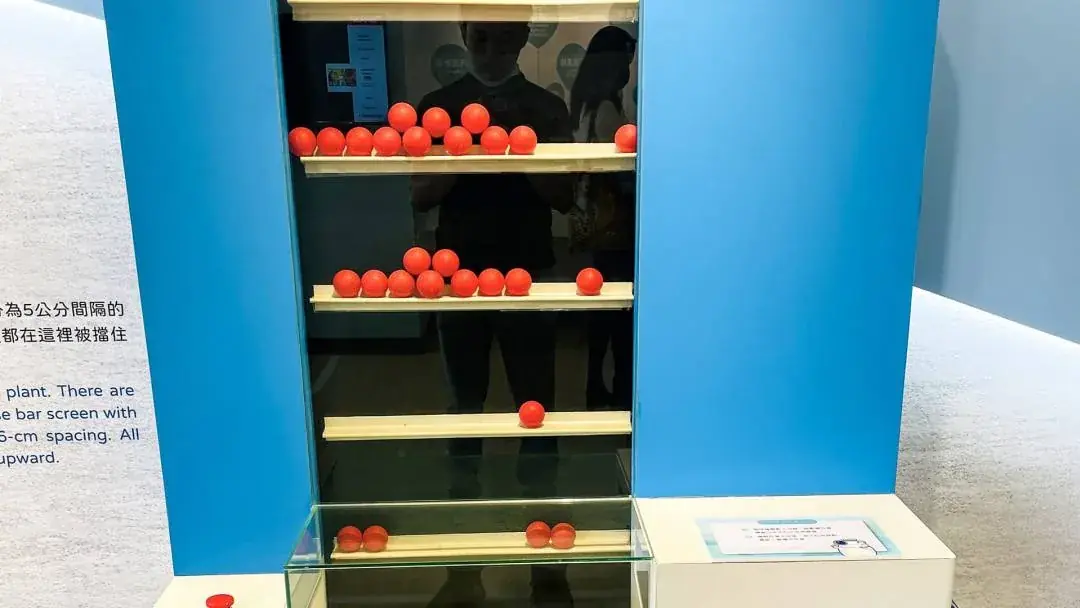
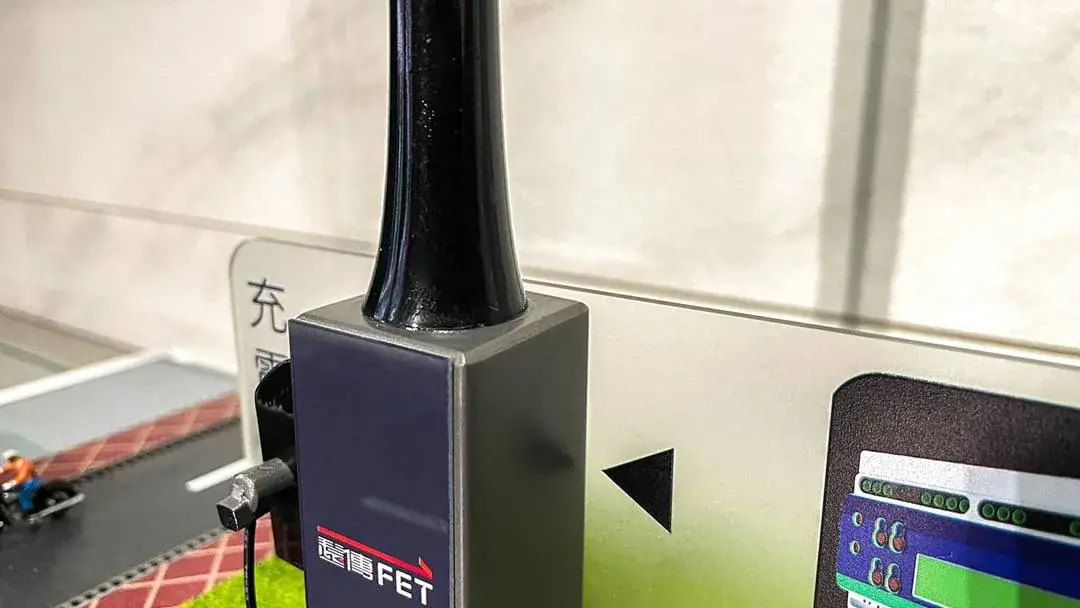
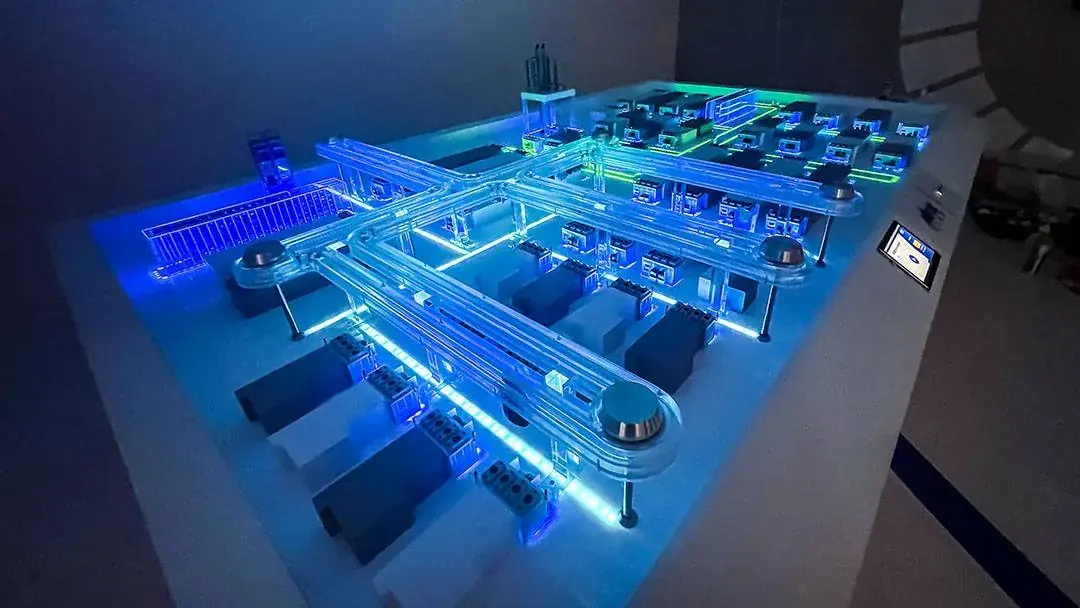
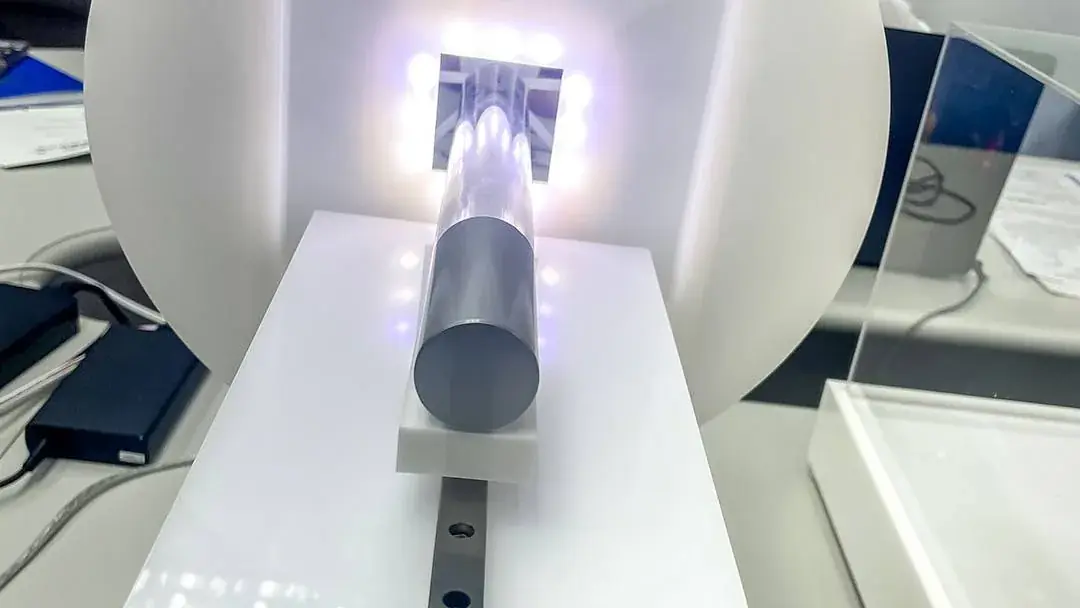
4. Interactive models
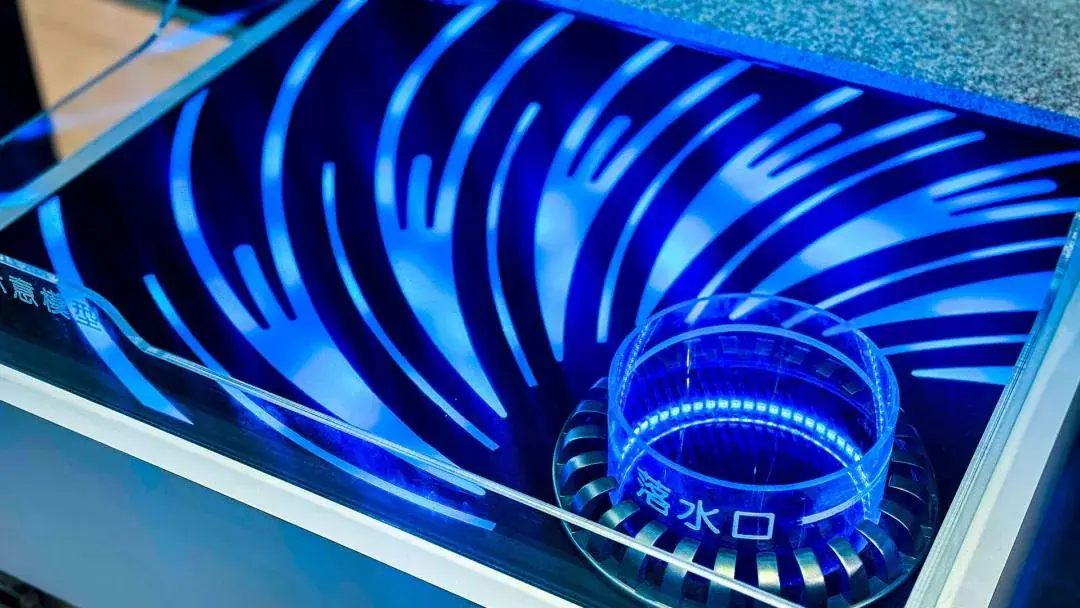
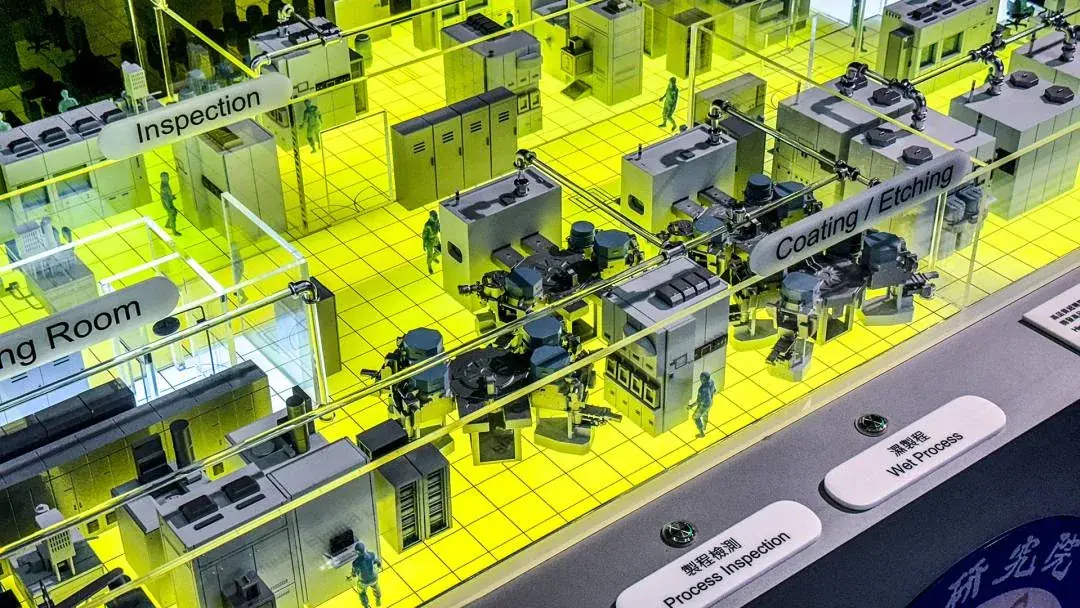
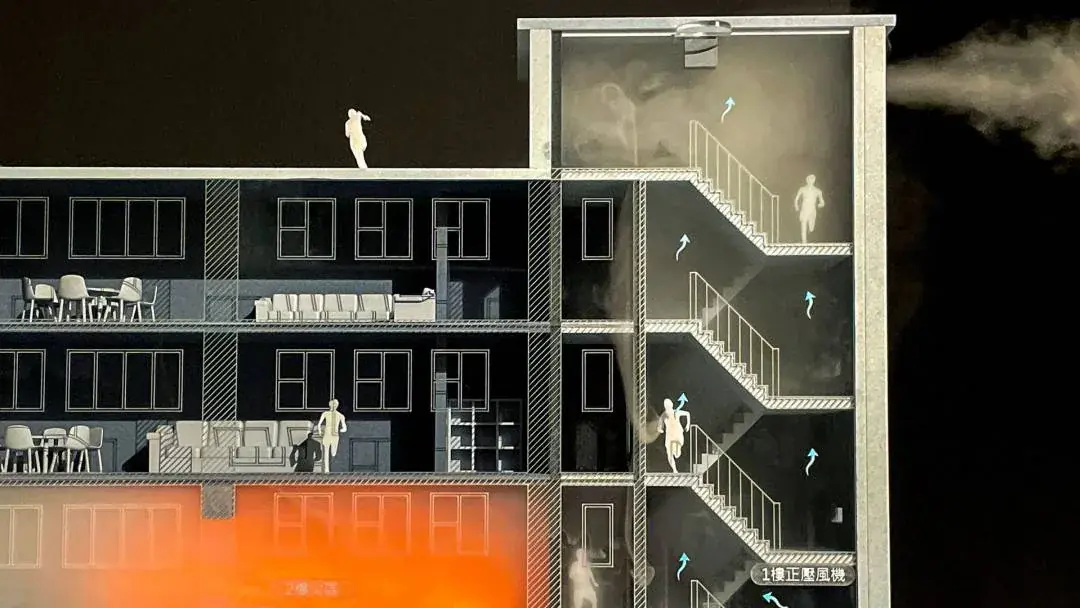
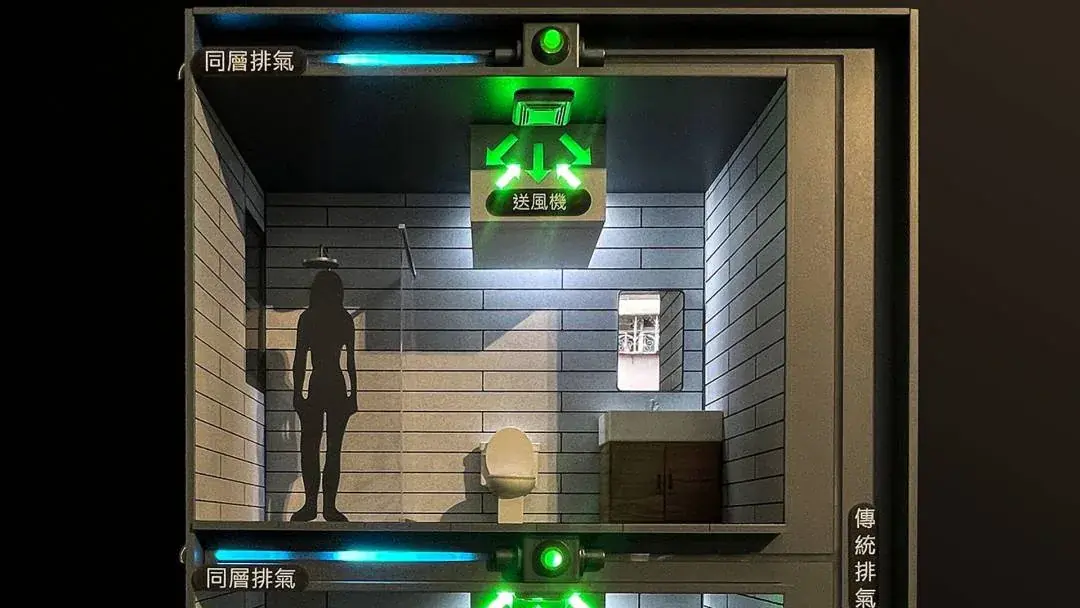
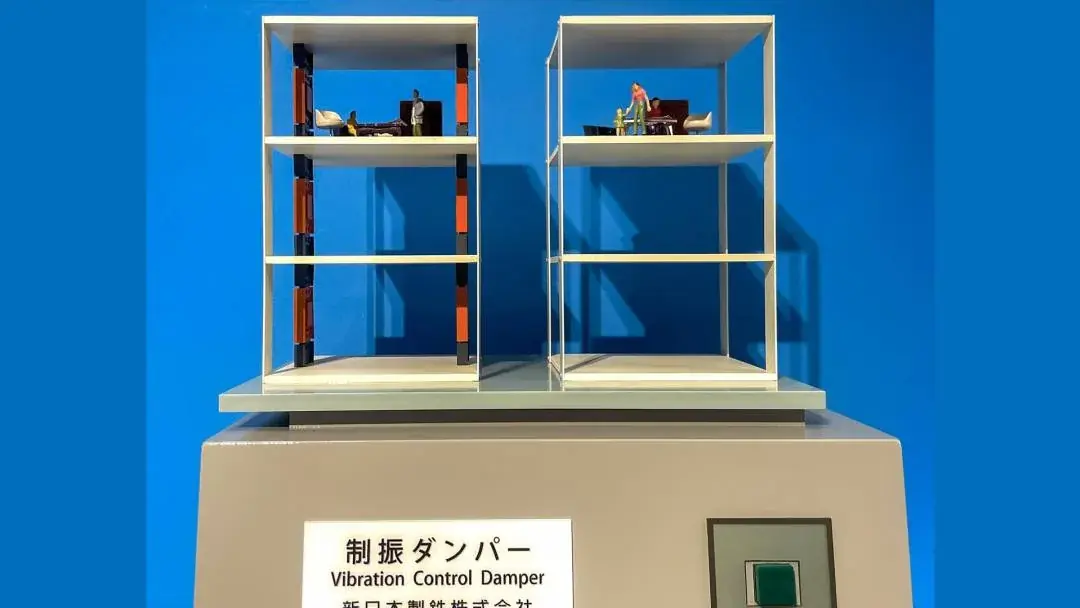
Use buttons, apps or programmed controls for hands-on demonstrations in exhibitions and experience areas.
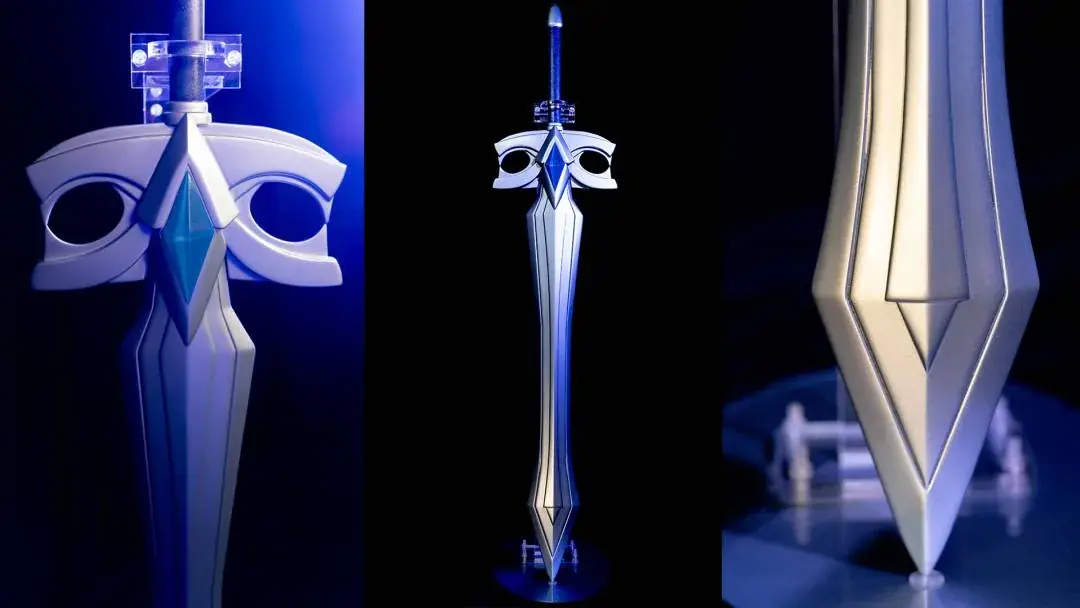
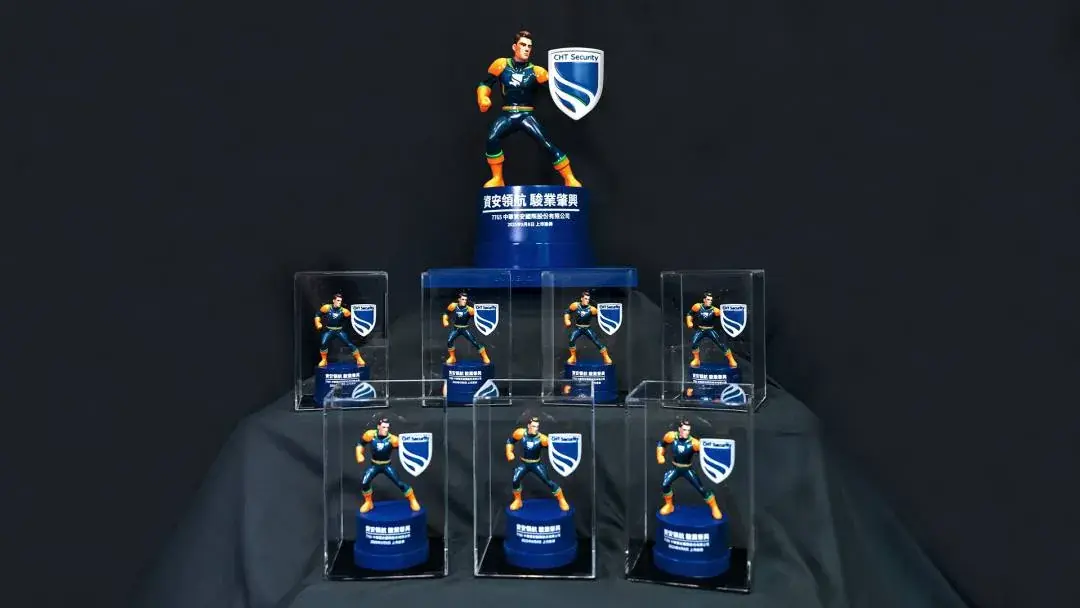
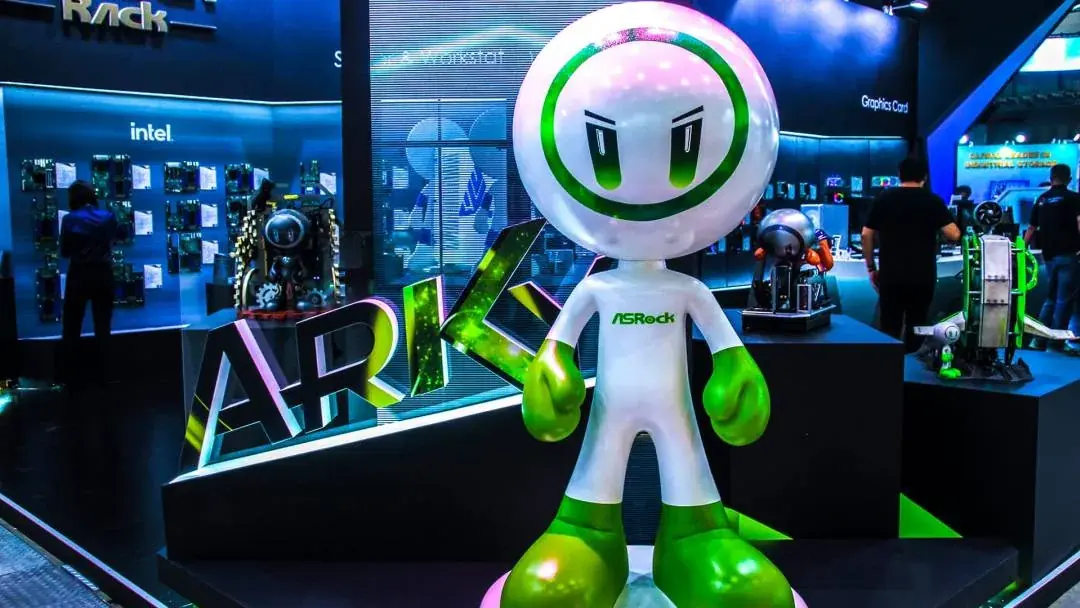
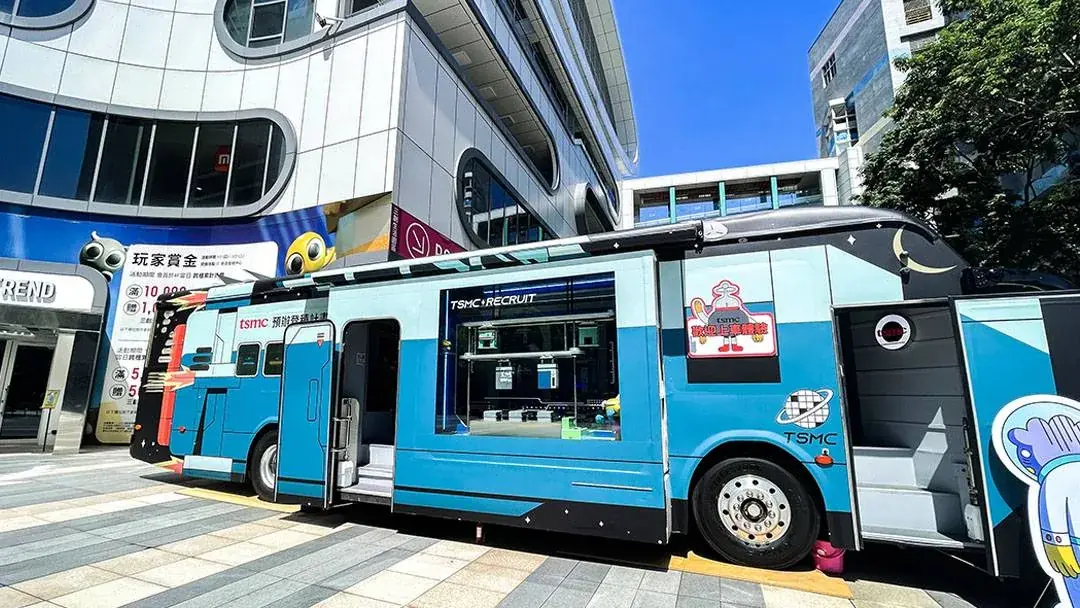
5. Character models
Capture a character’s proportions and personality in different materials for corporate IP, events and installations.
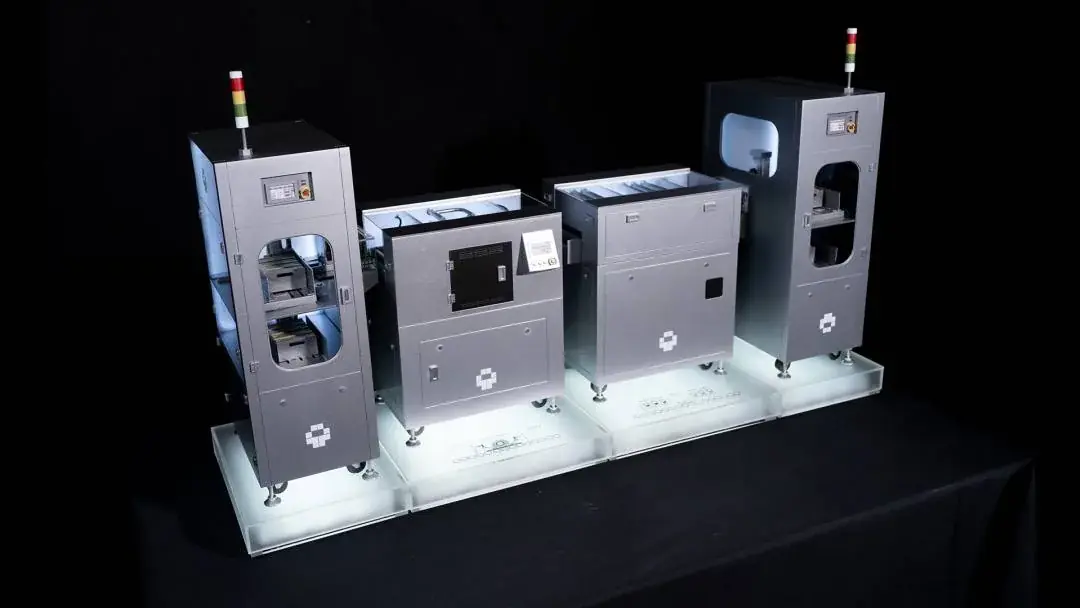
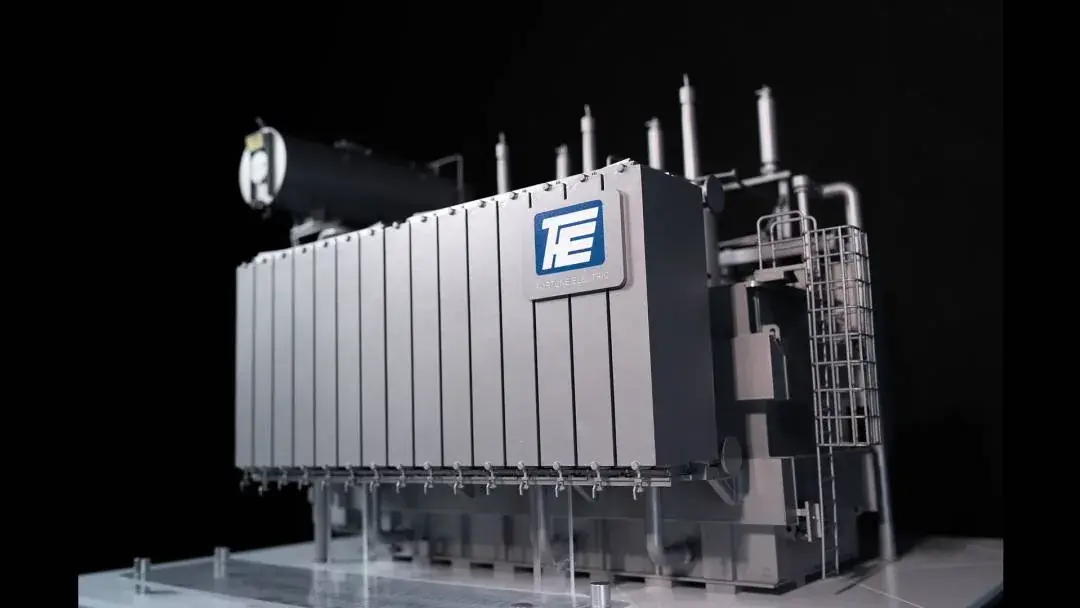
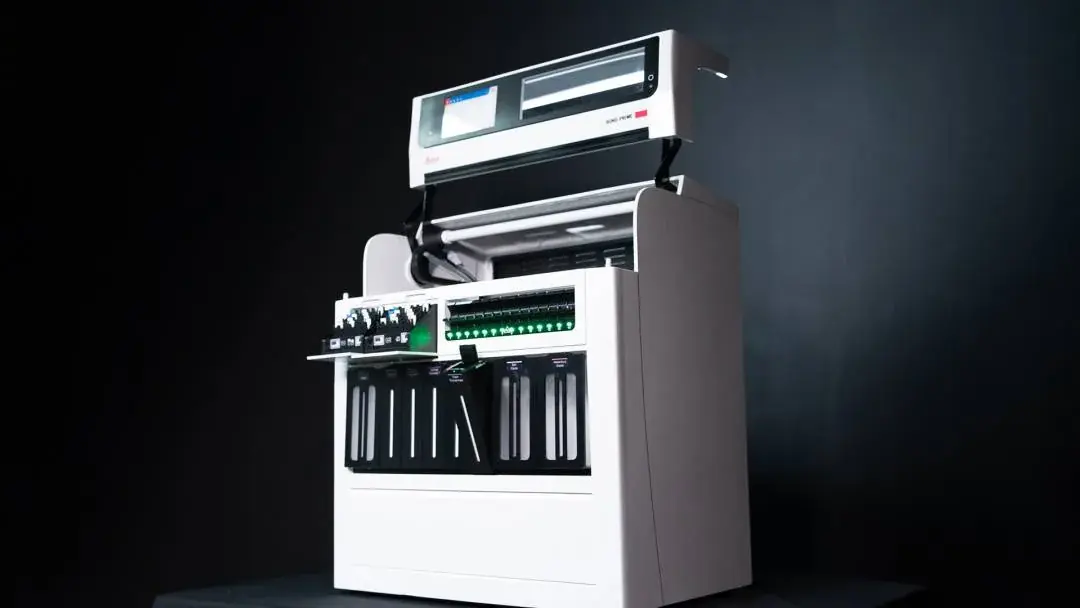
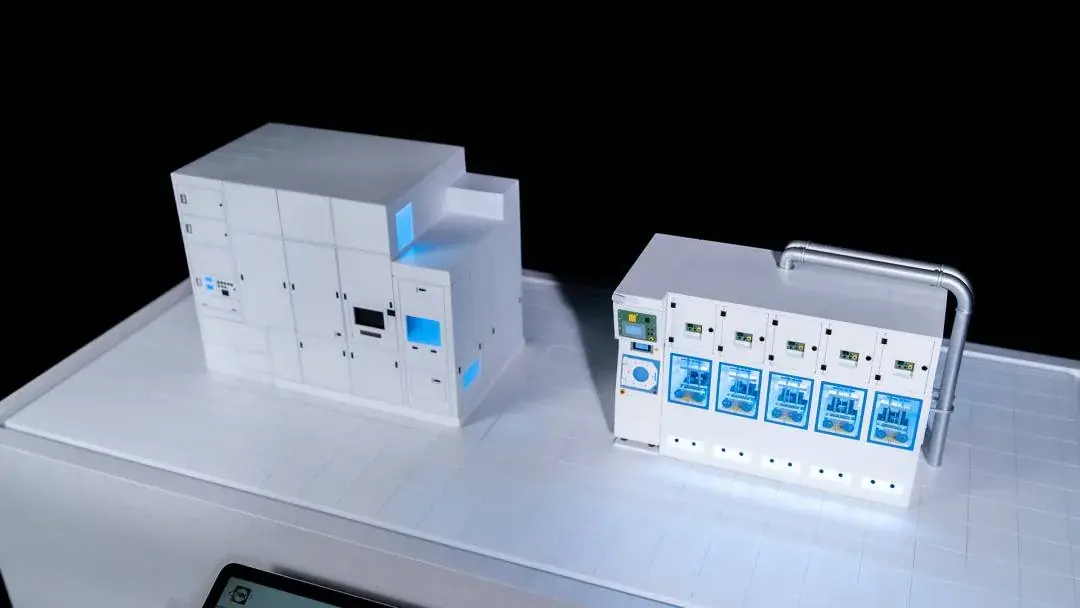
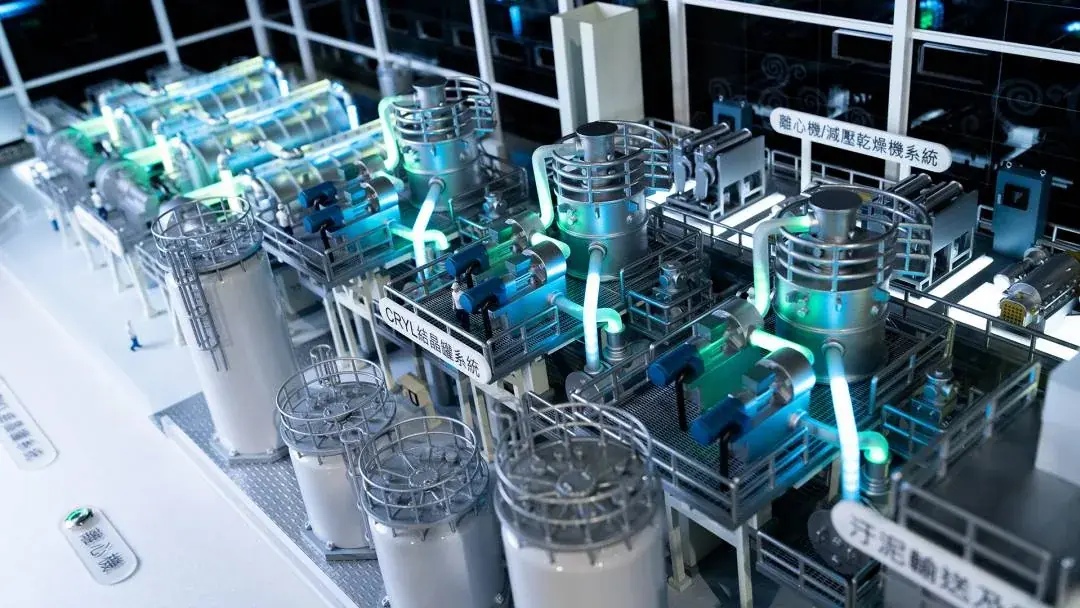
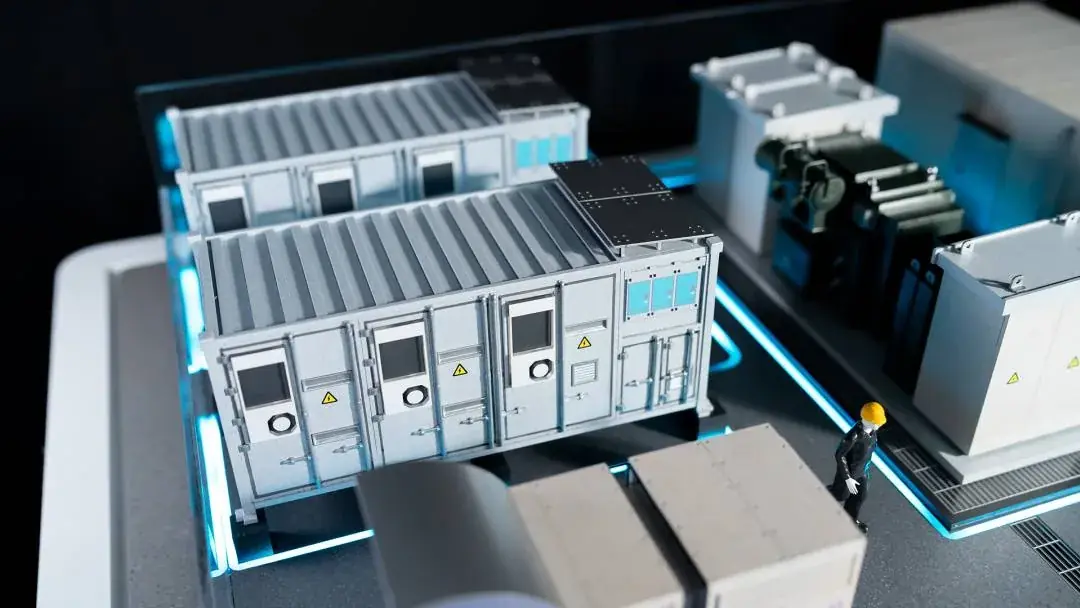
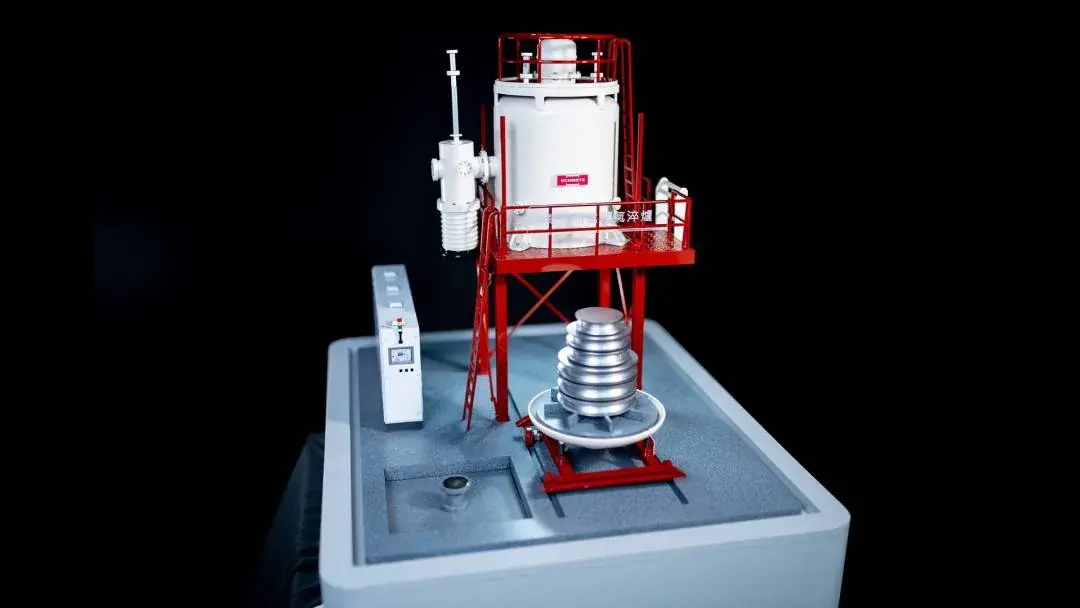
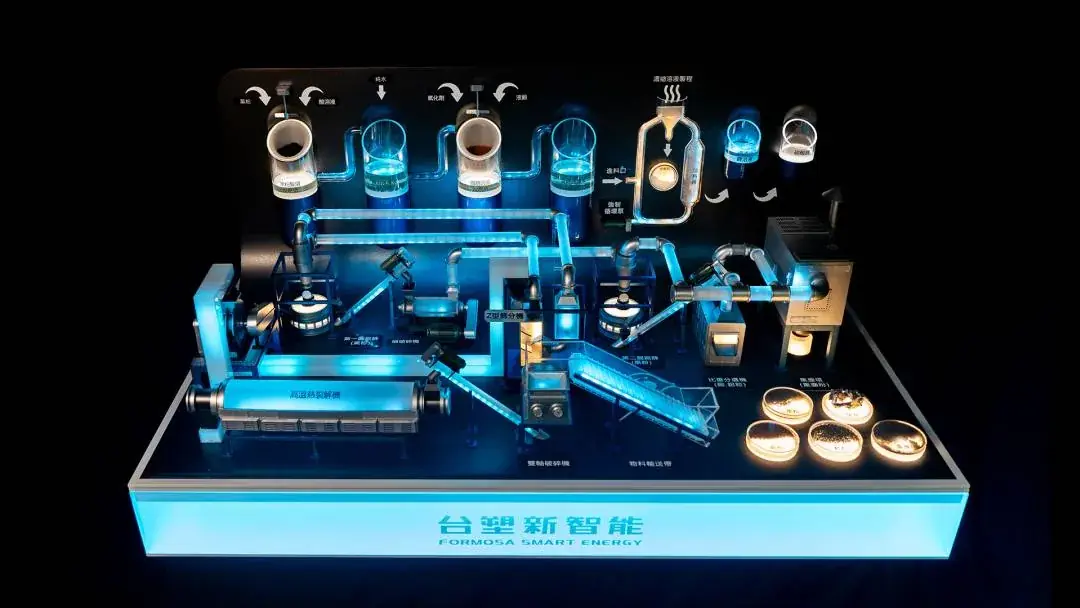
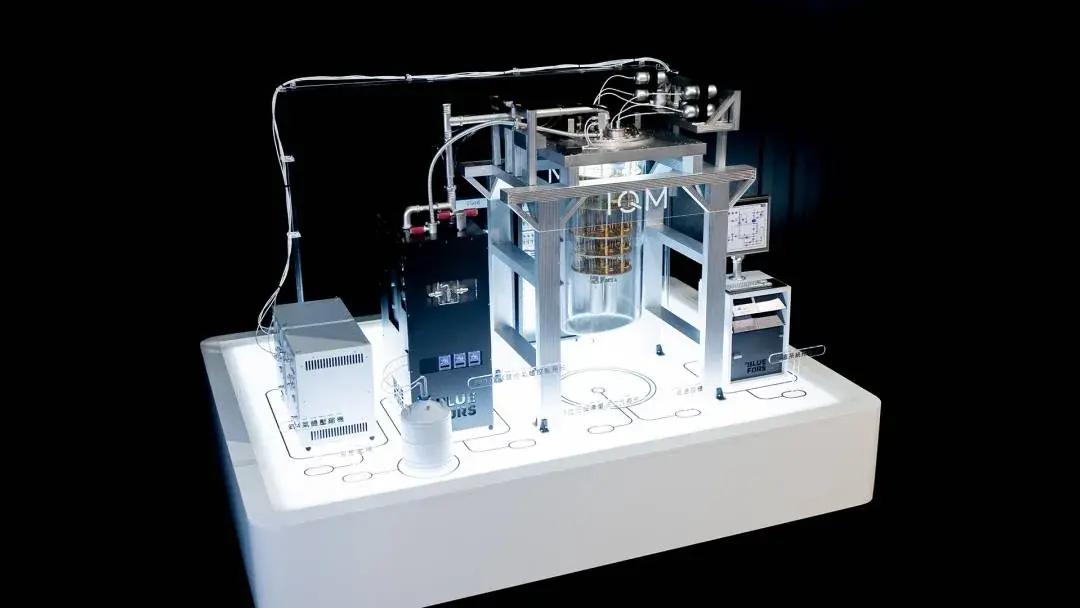
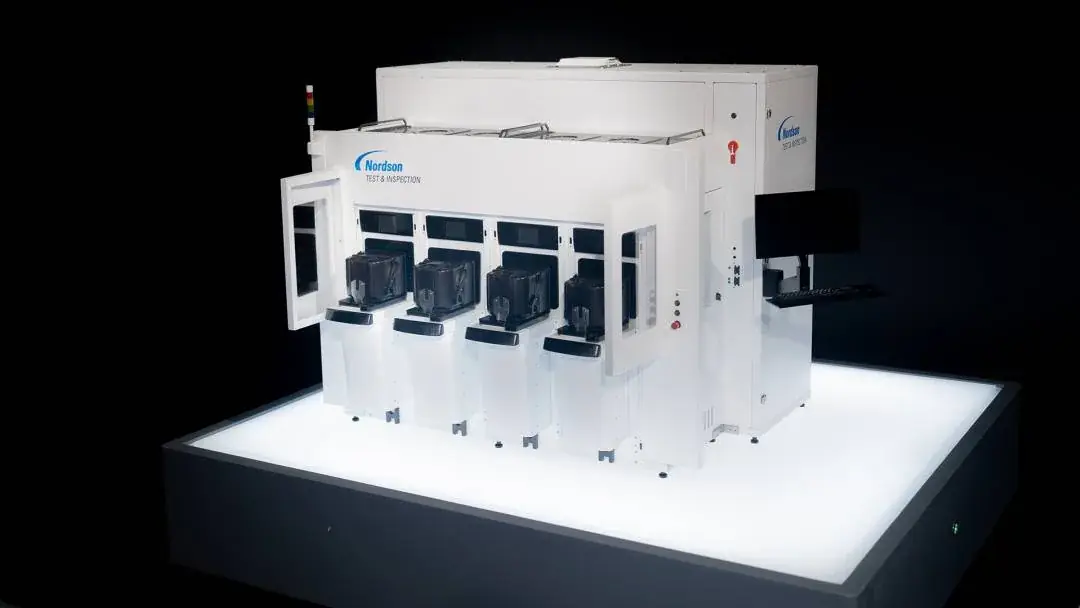
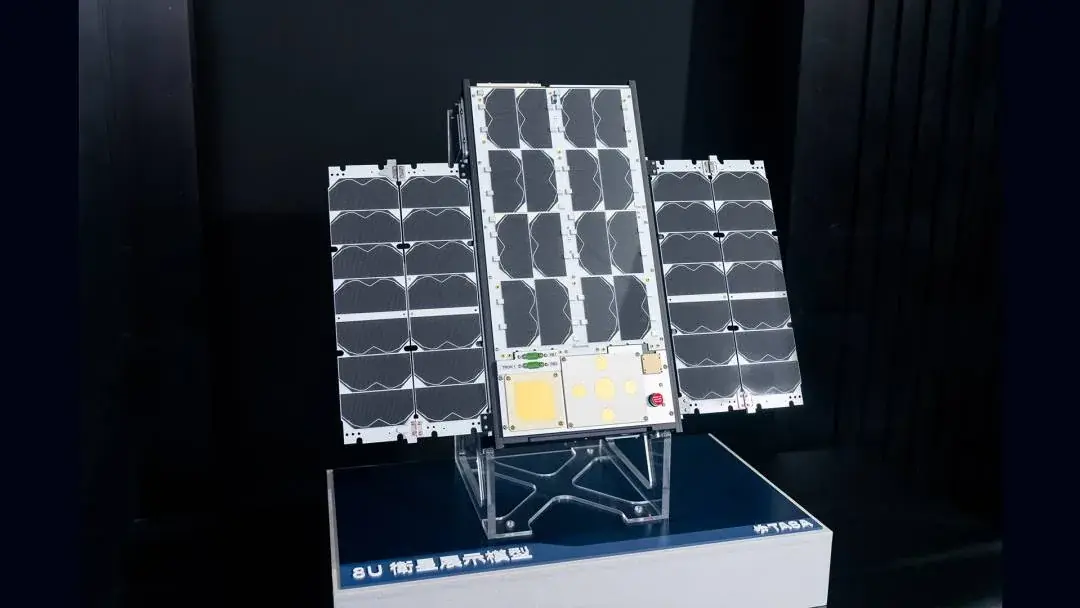
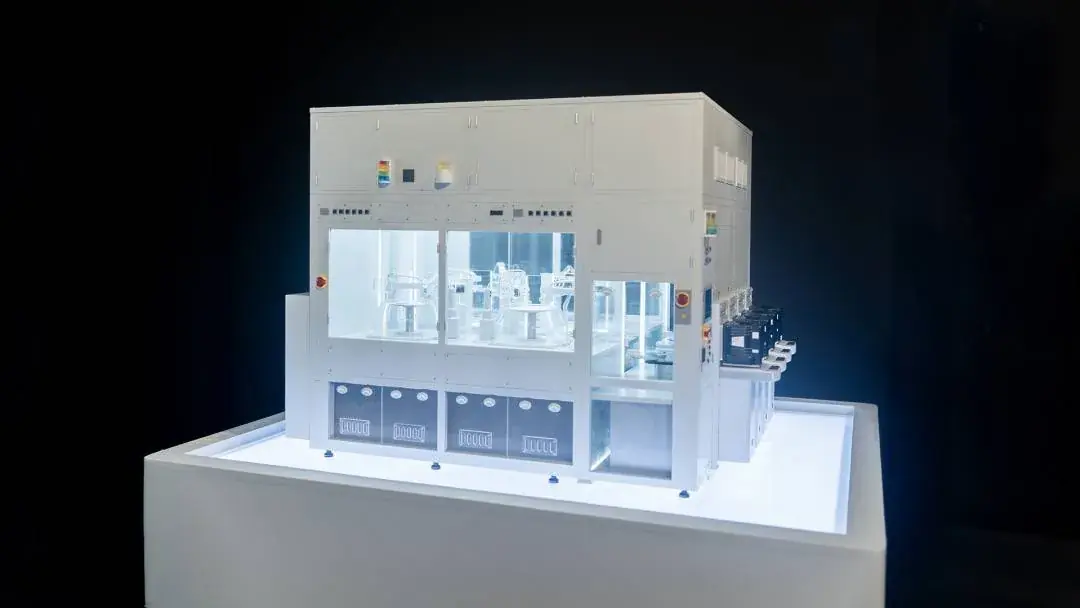
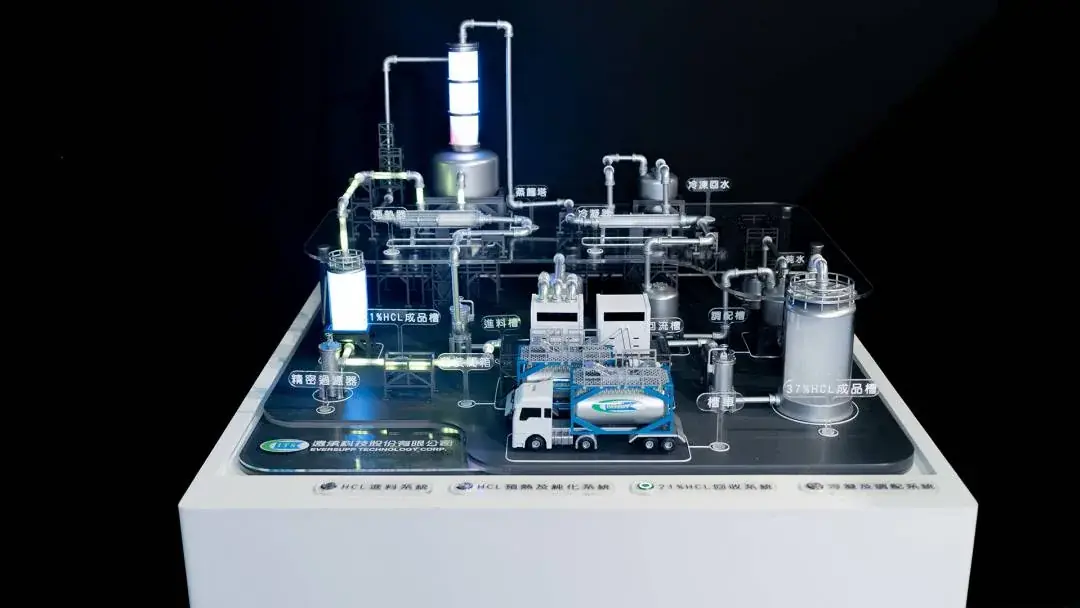
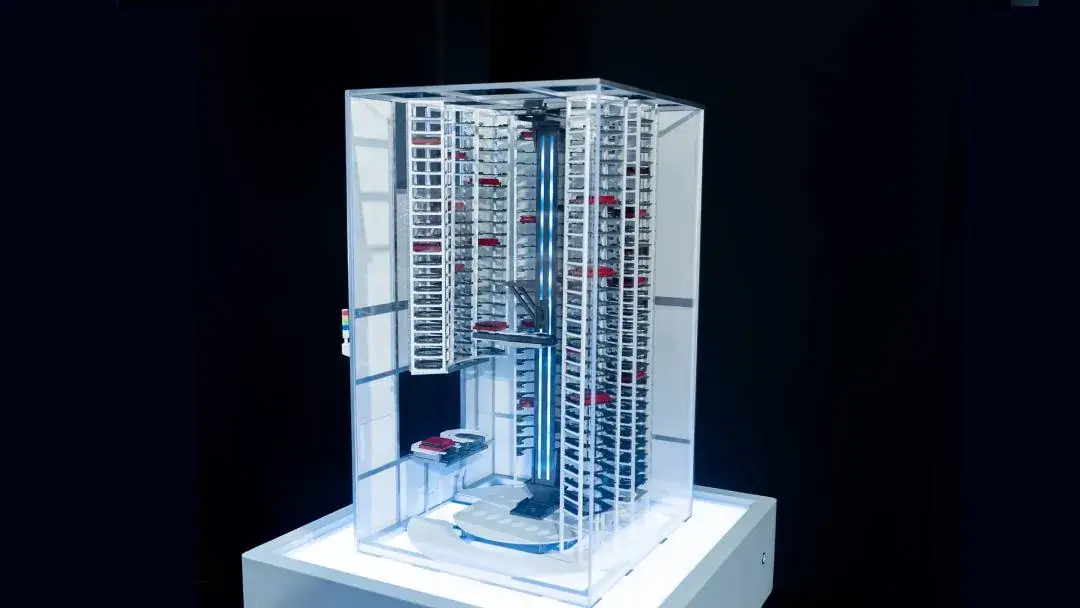
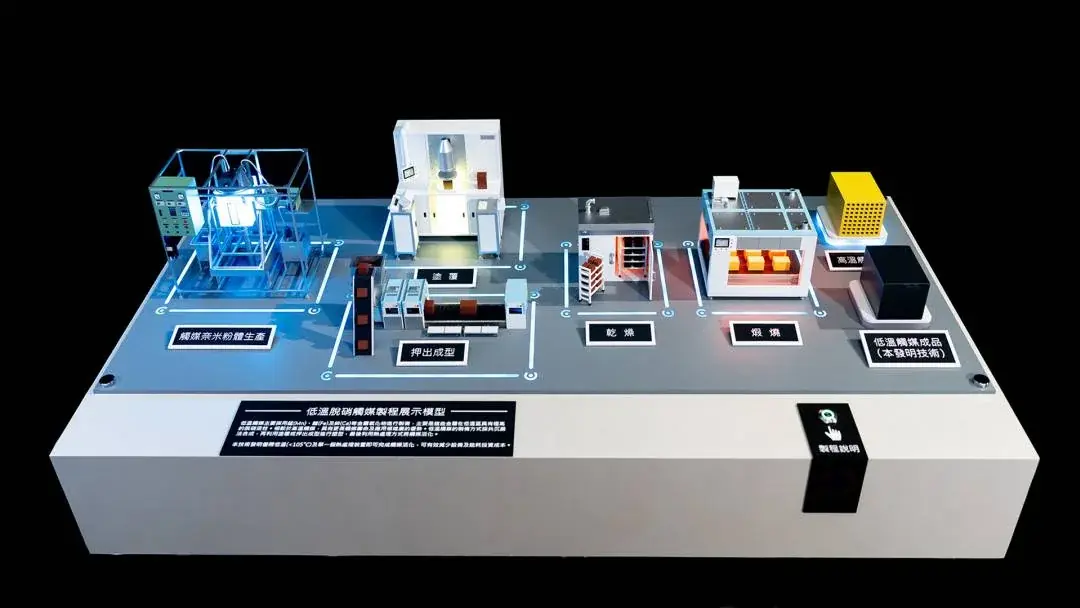
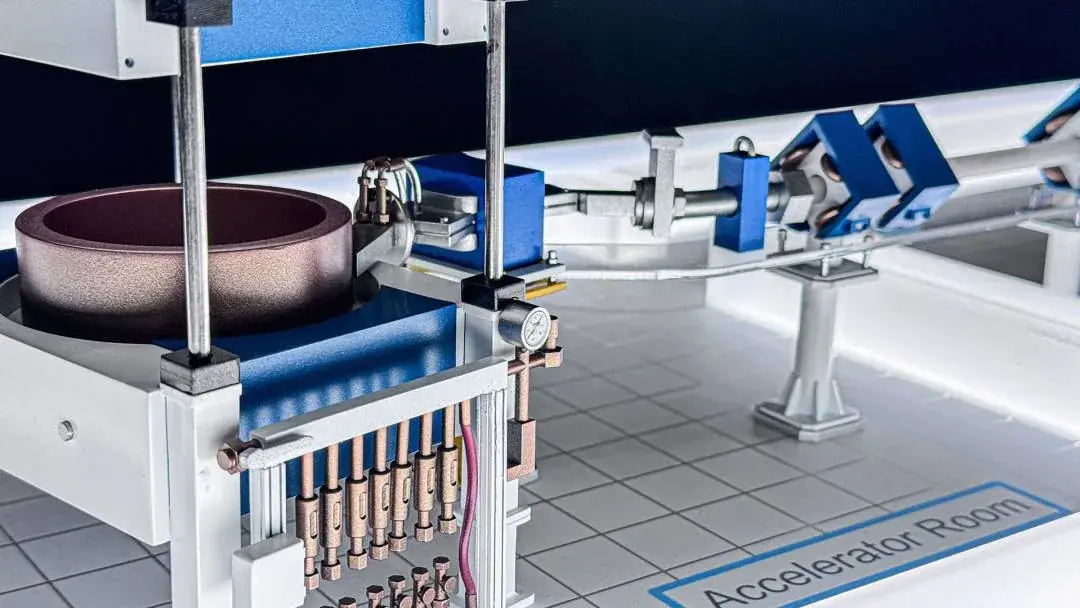
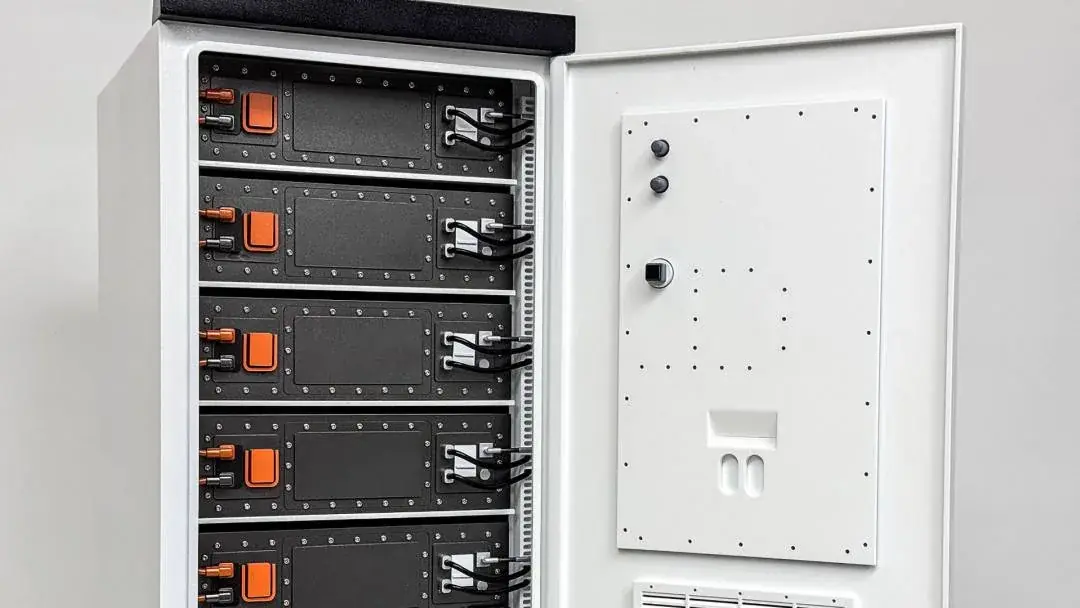
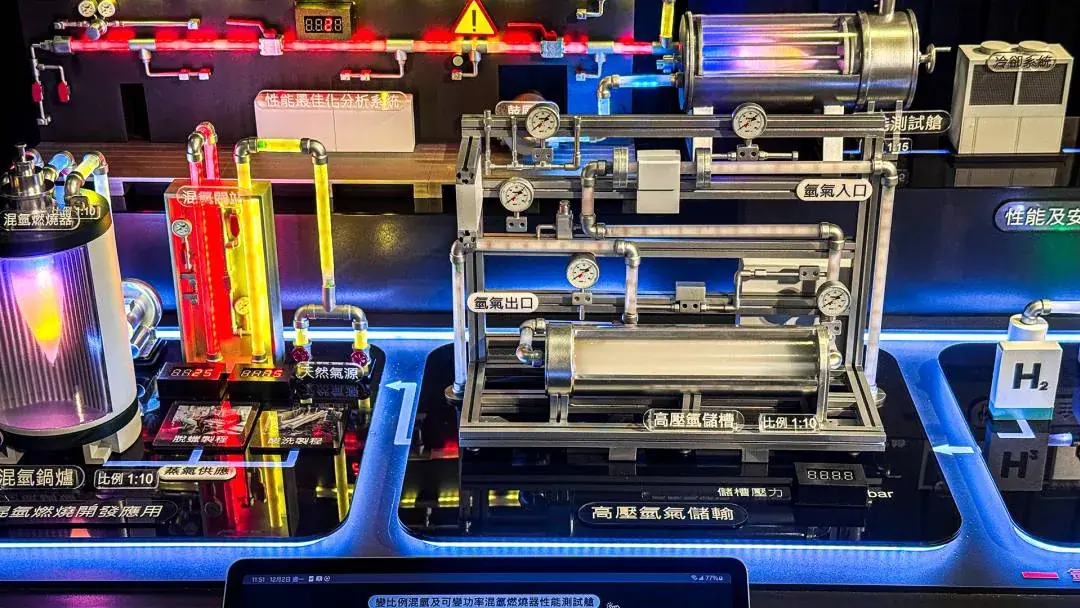
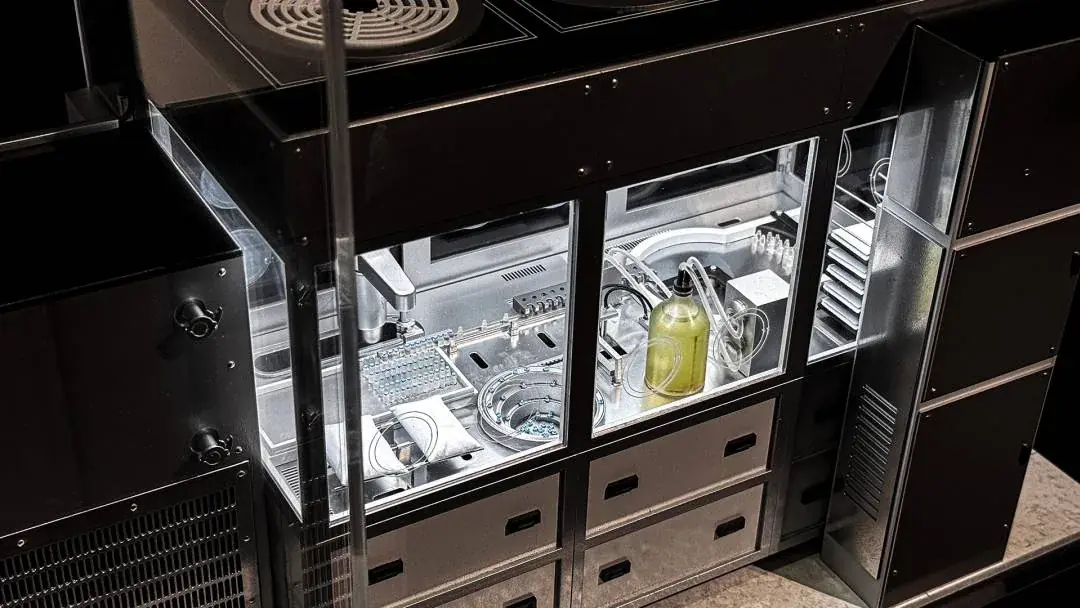
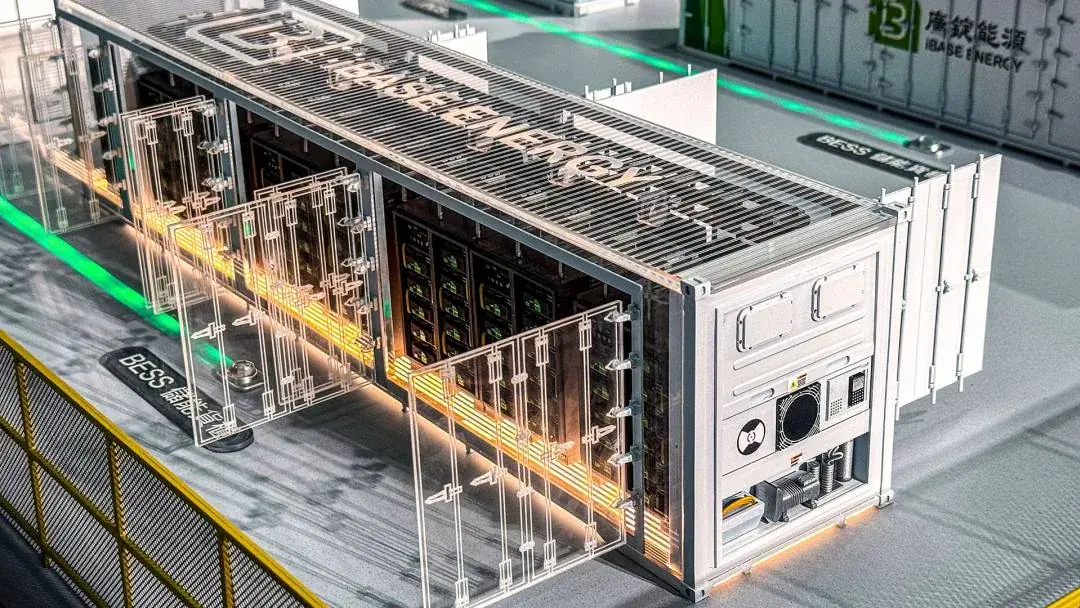
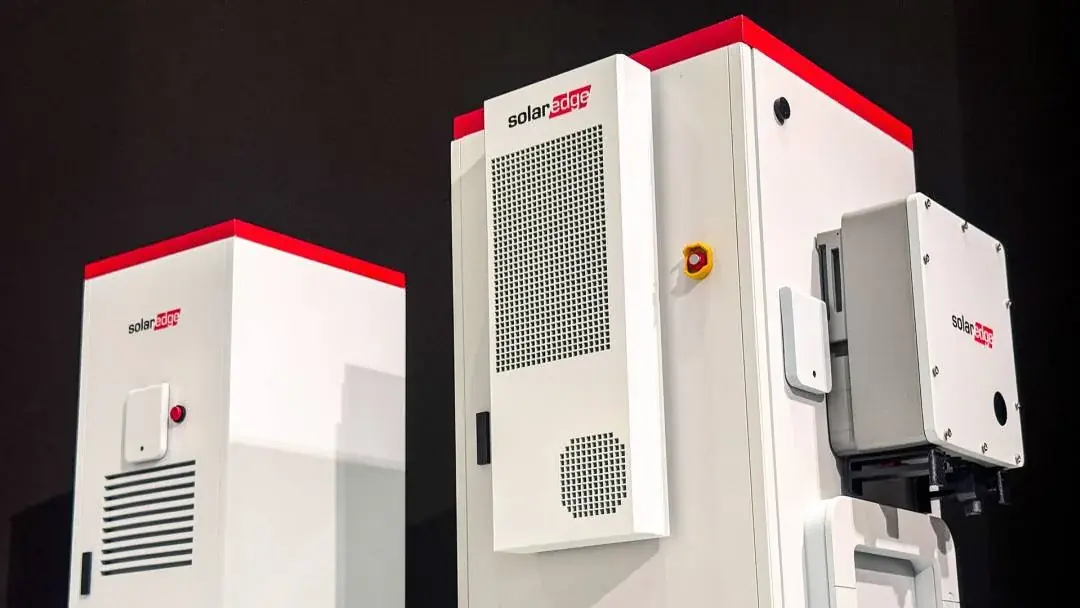
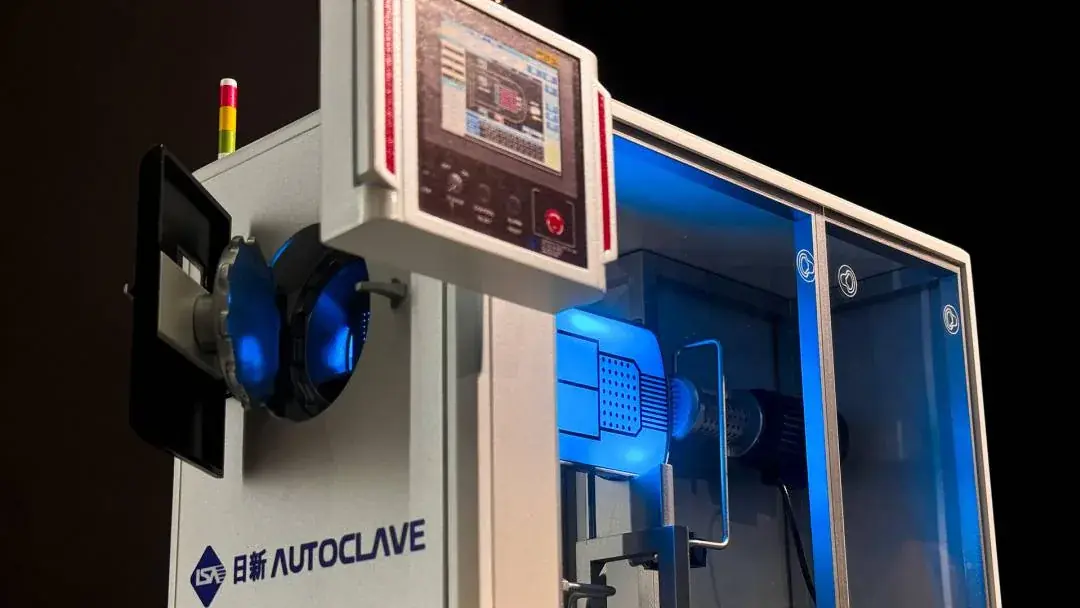
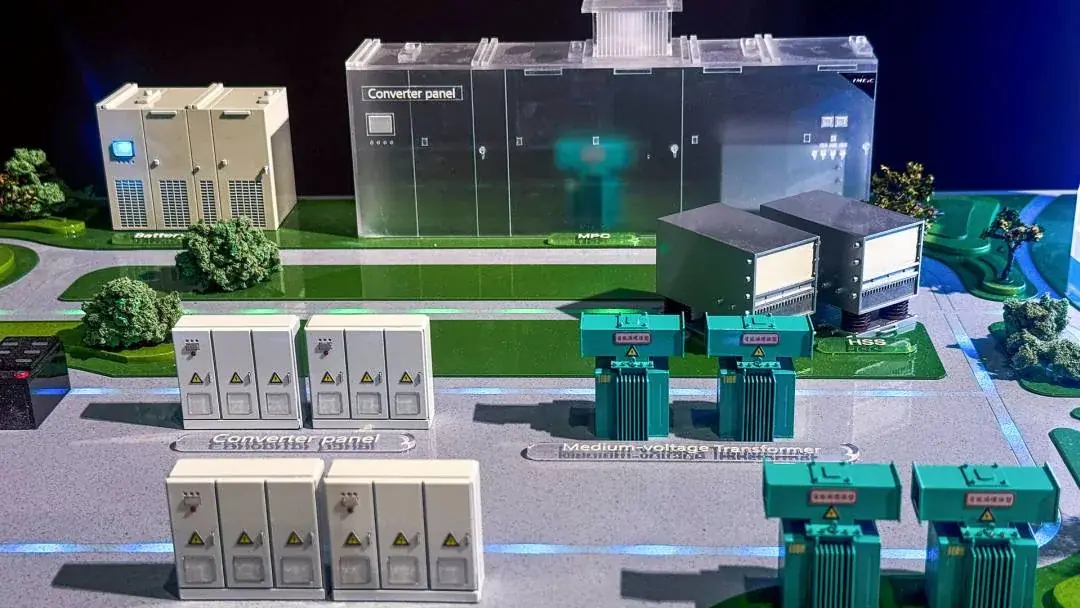
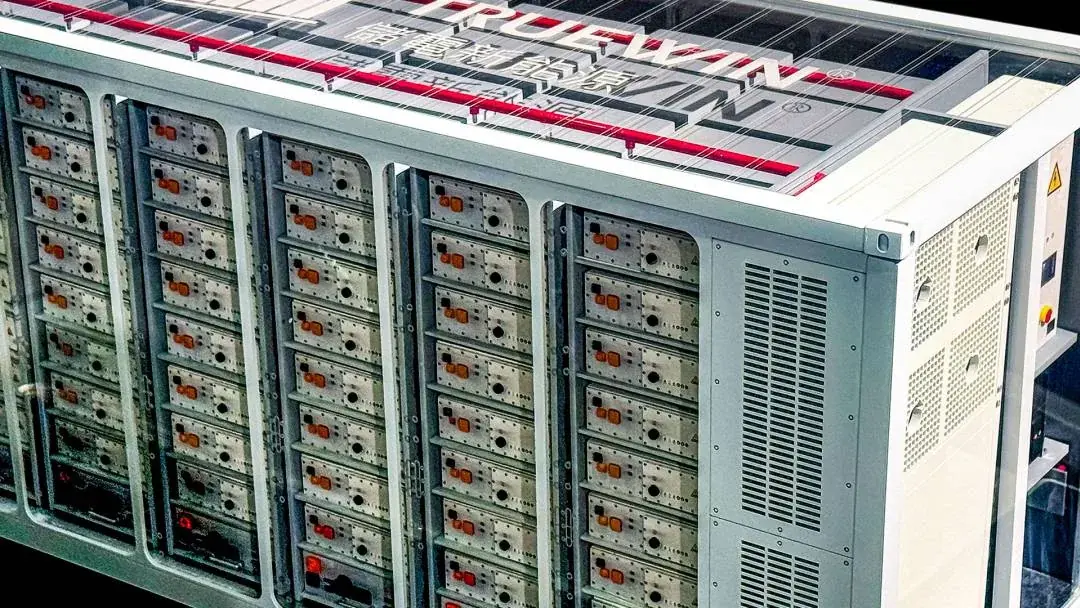
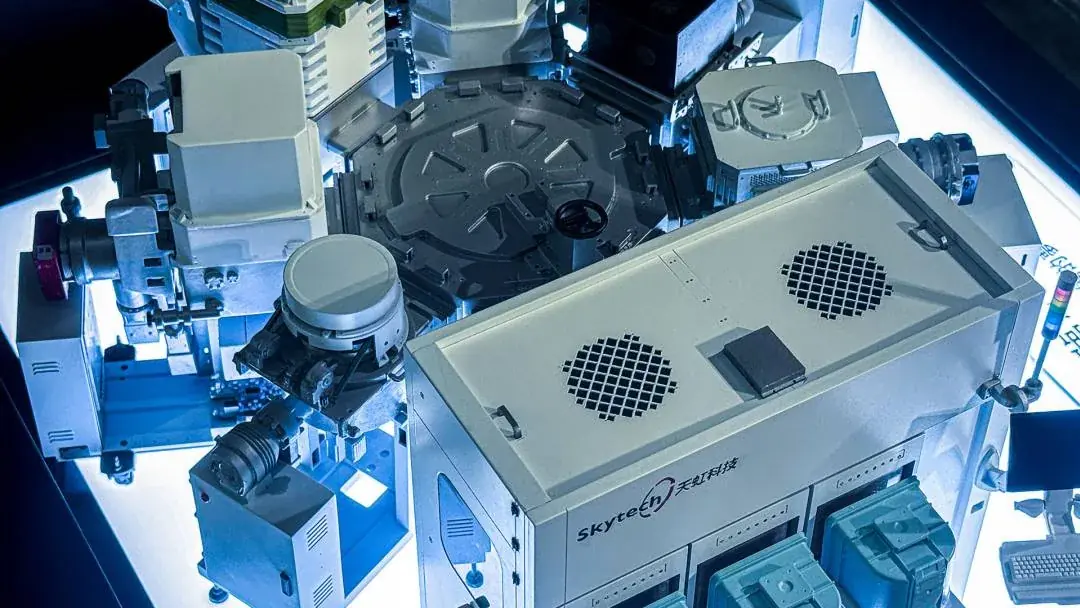
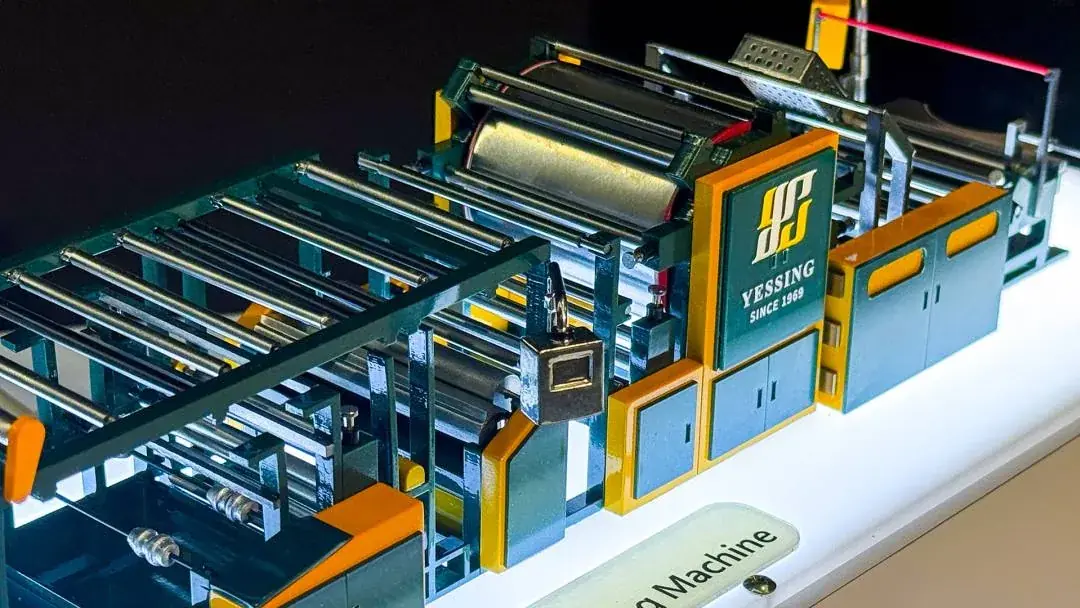
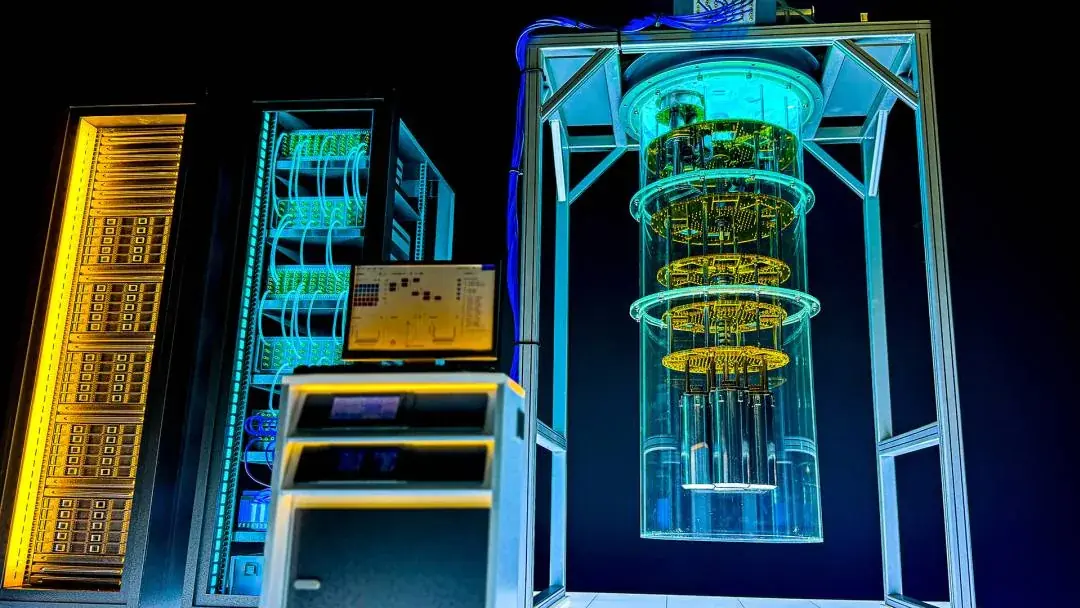
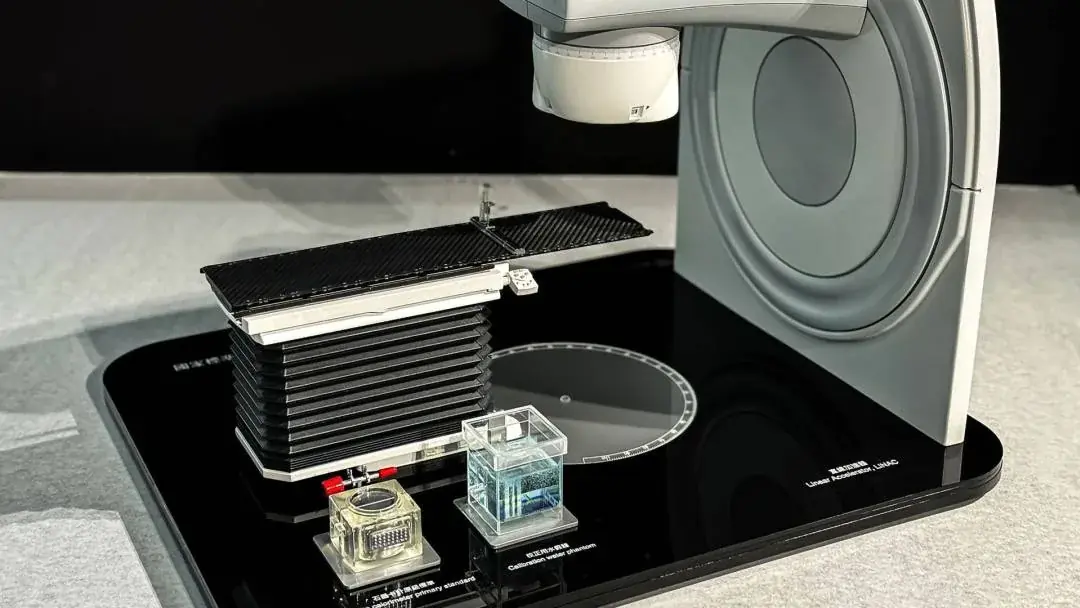
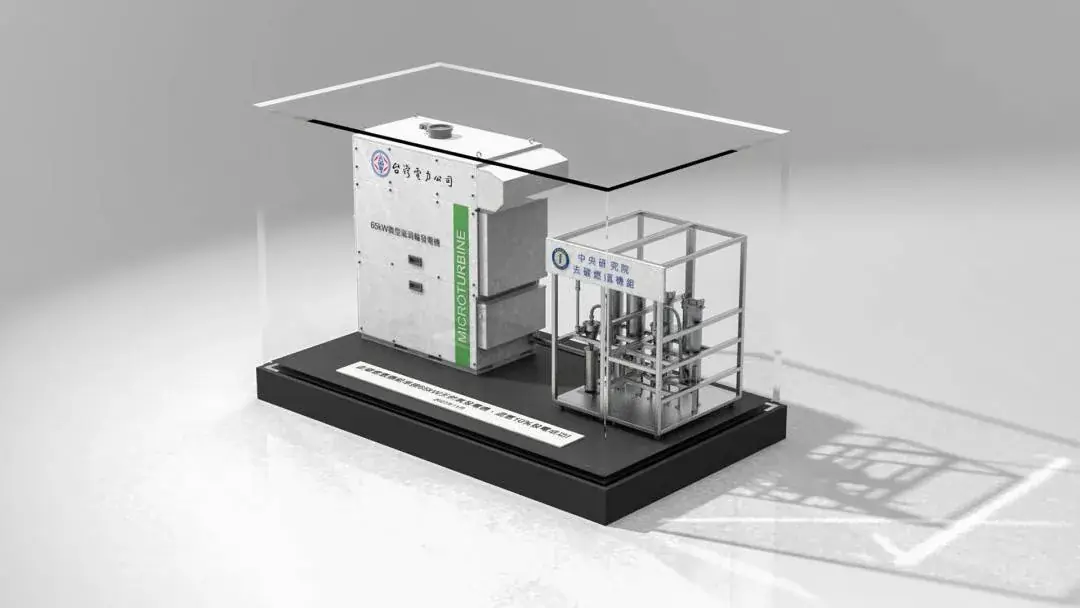
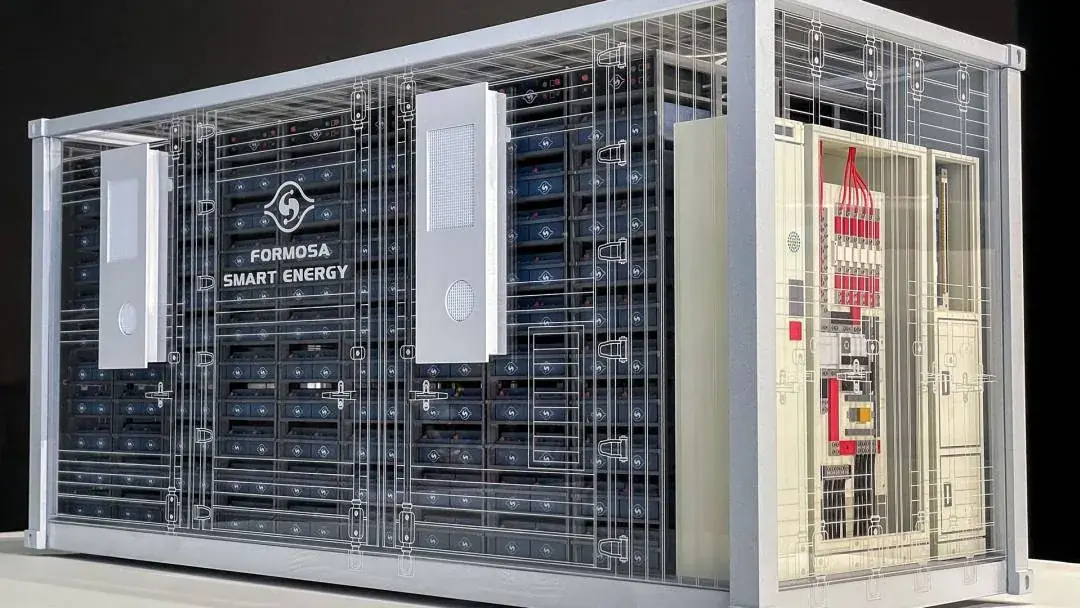
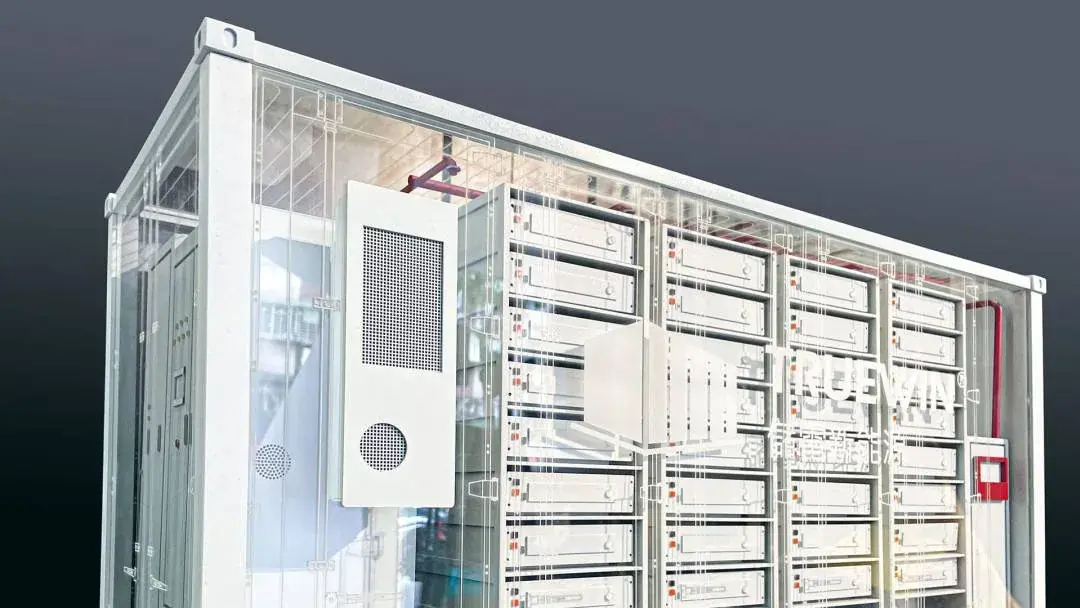
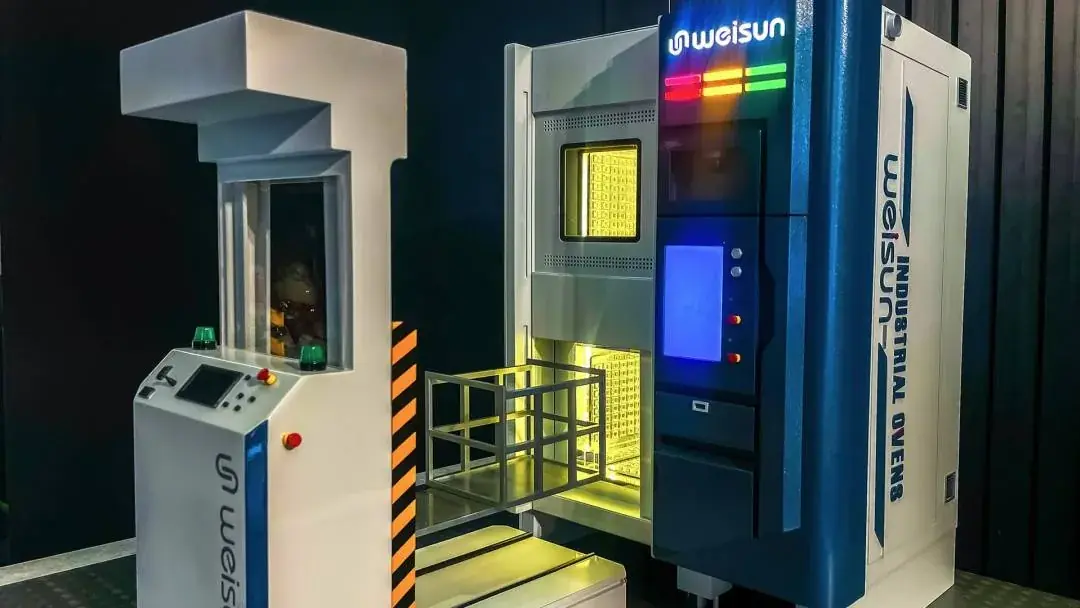
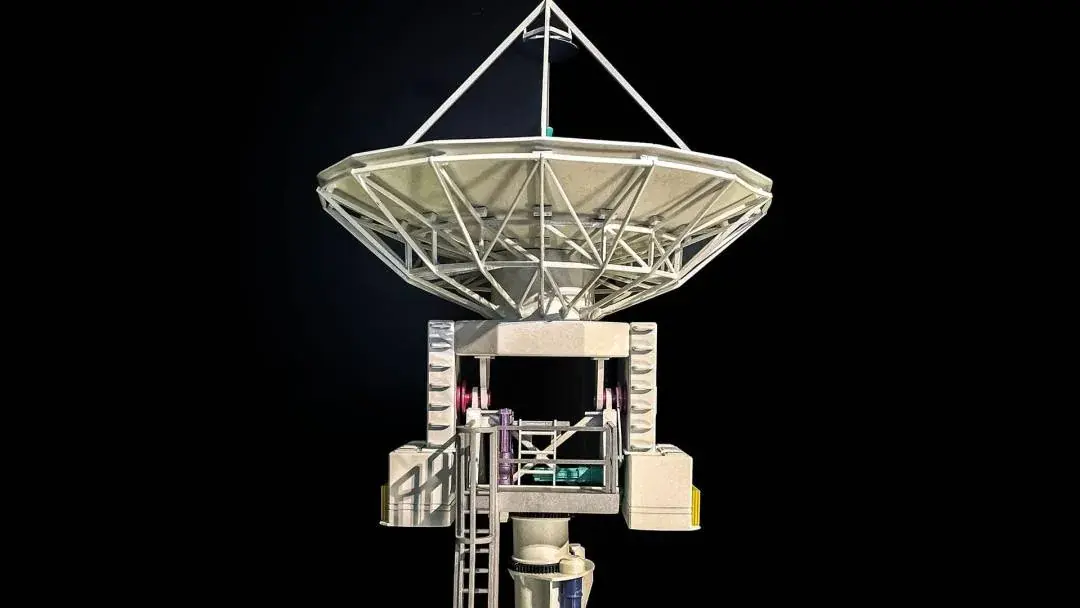
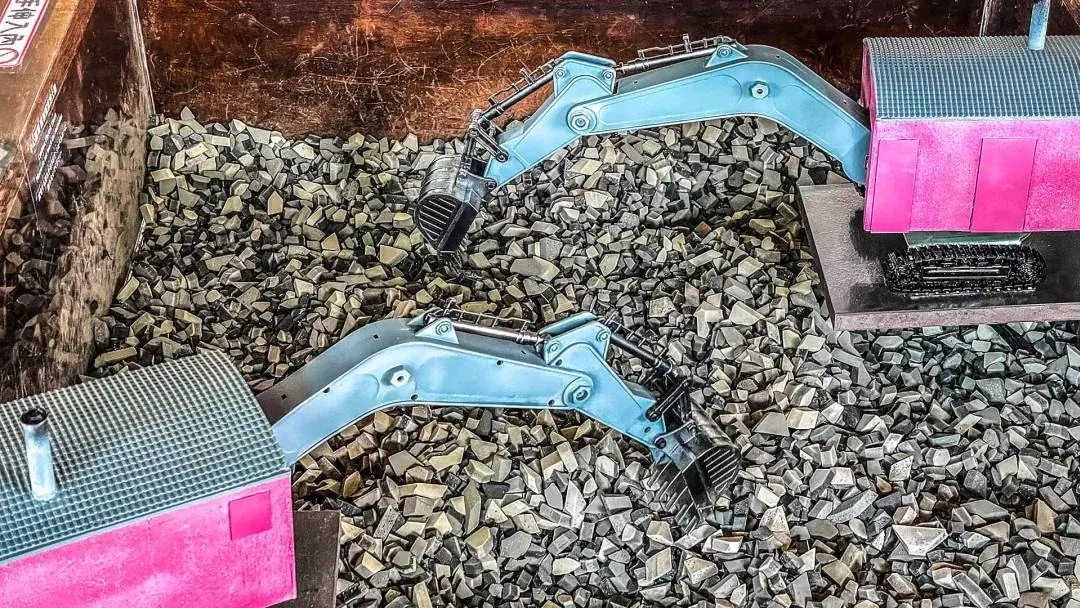
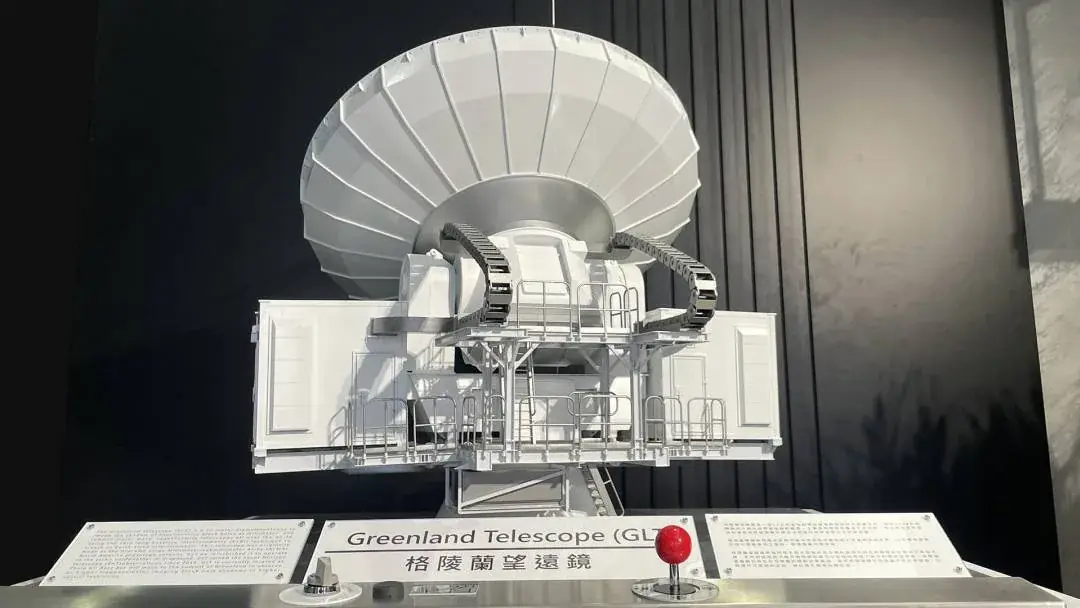
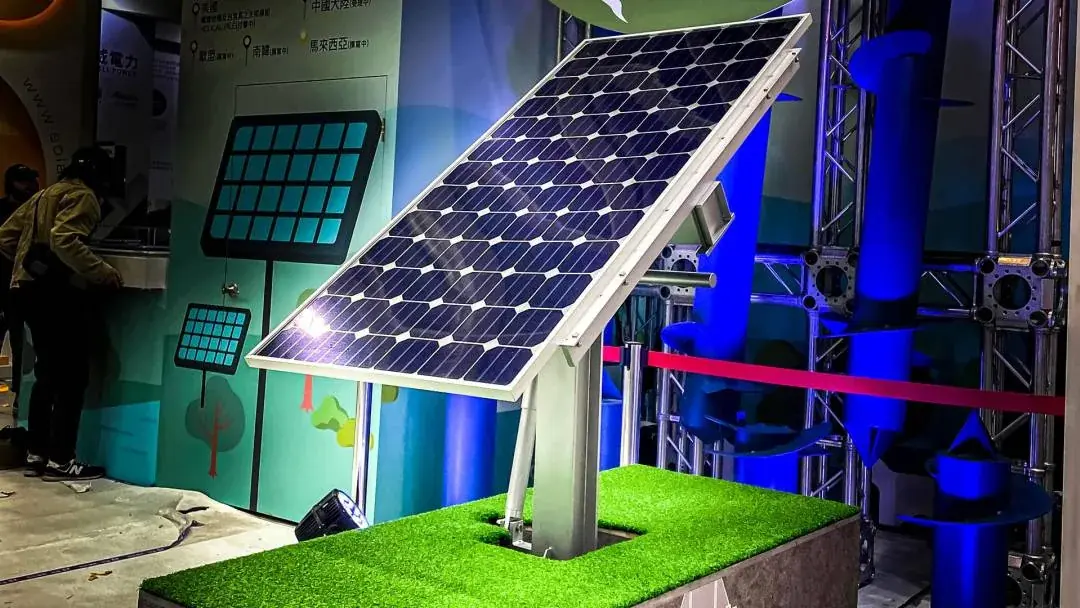
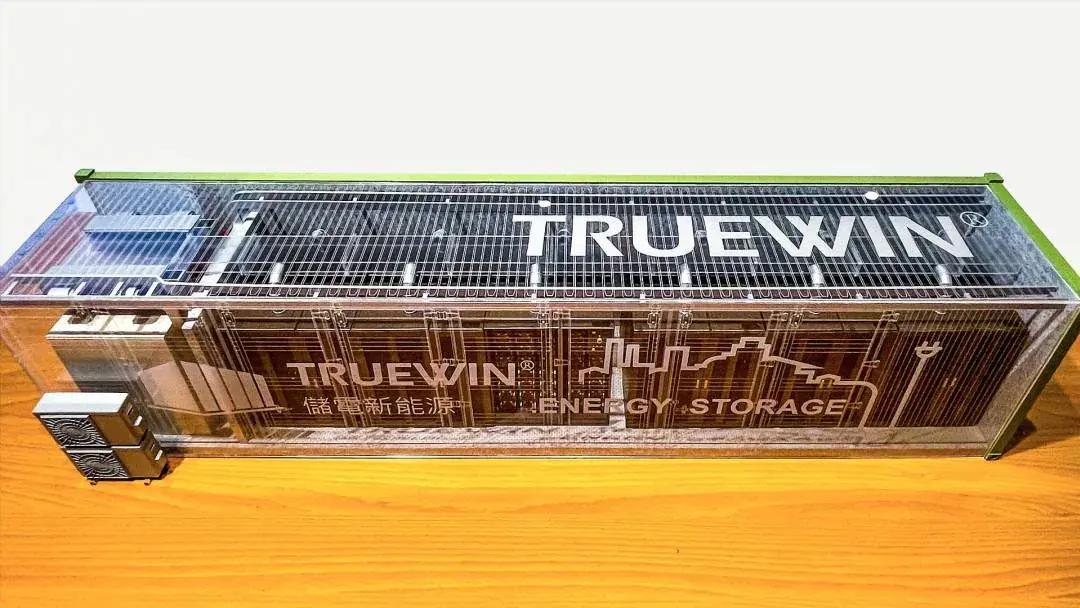
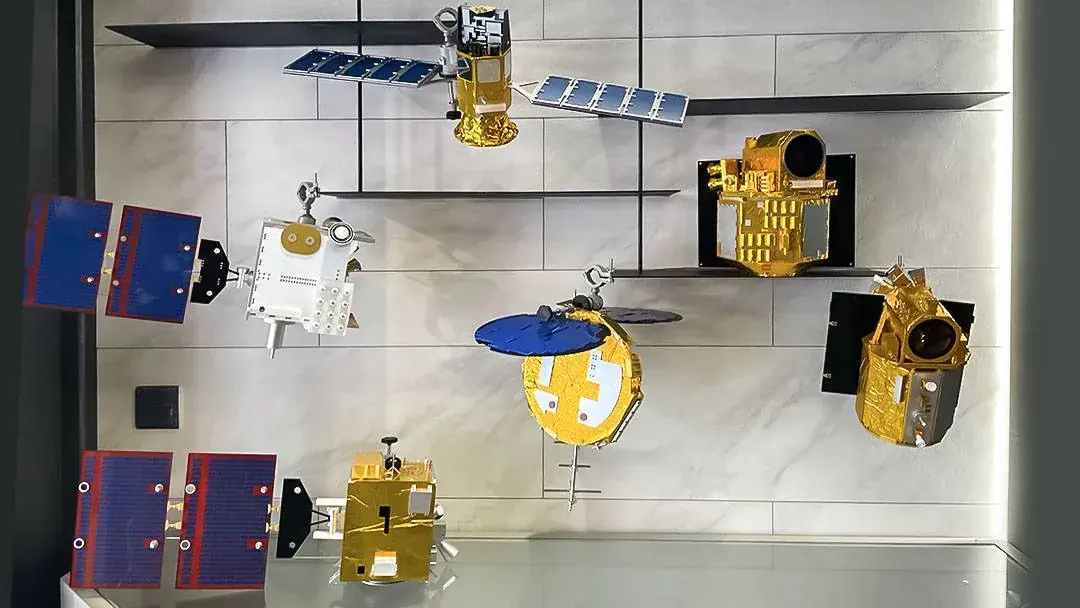
6. Equipment models
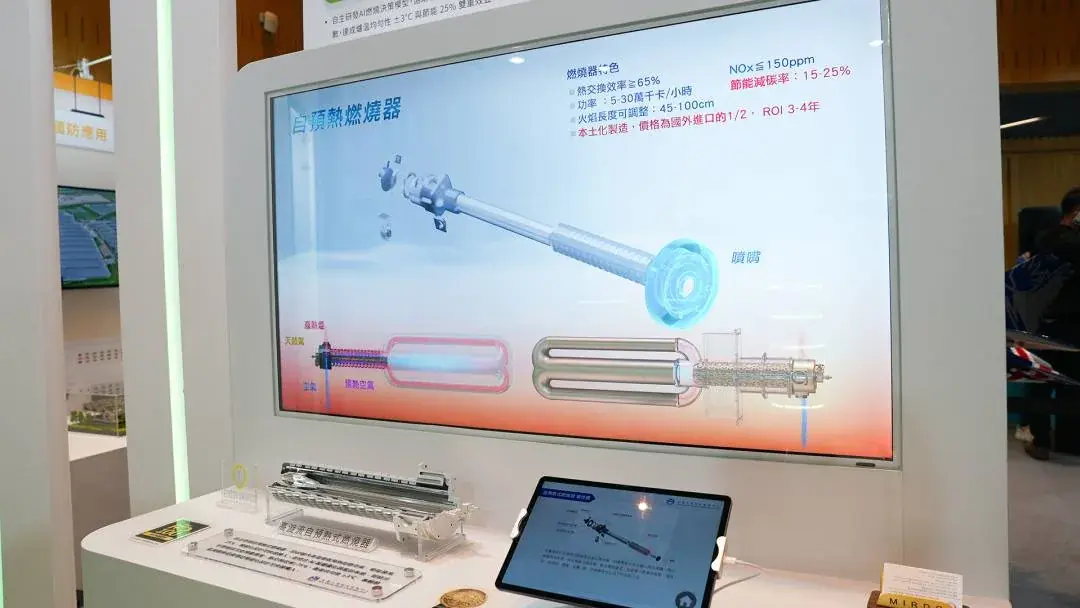
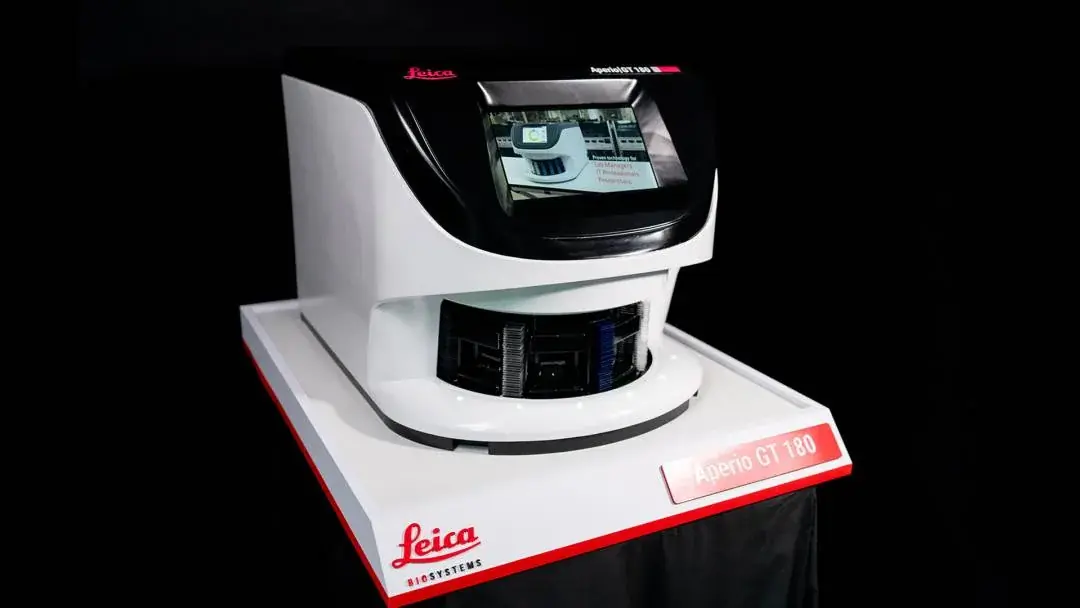
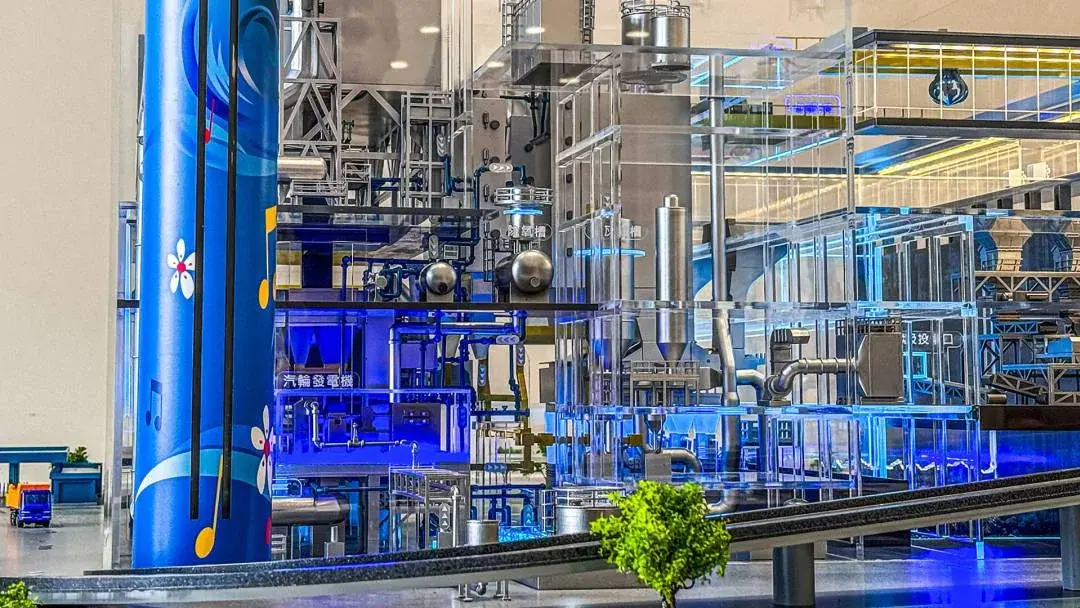
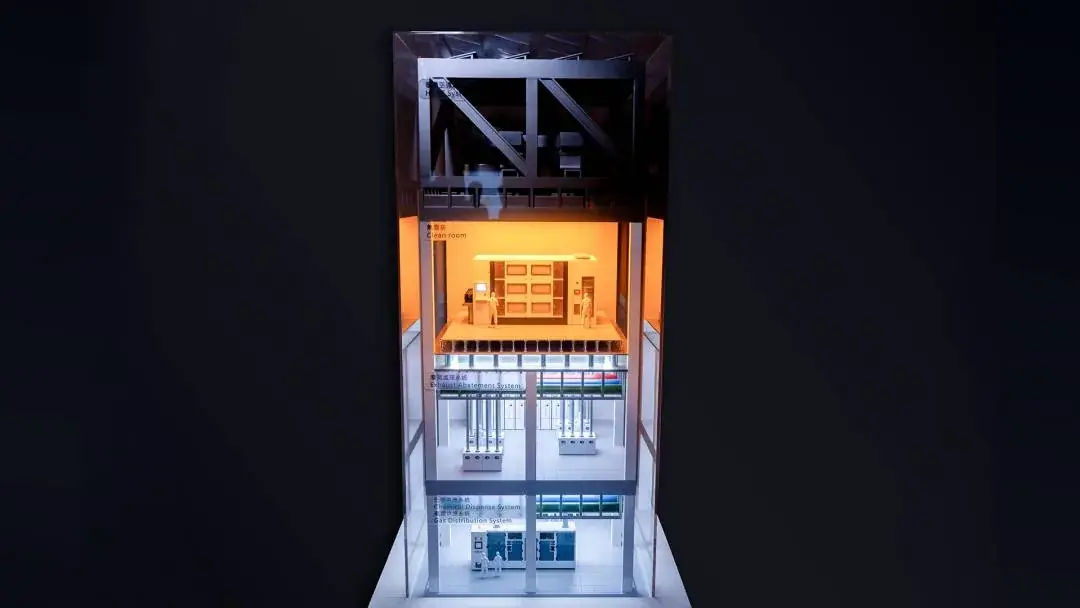
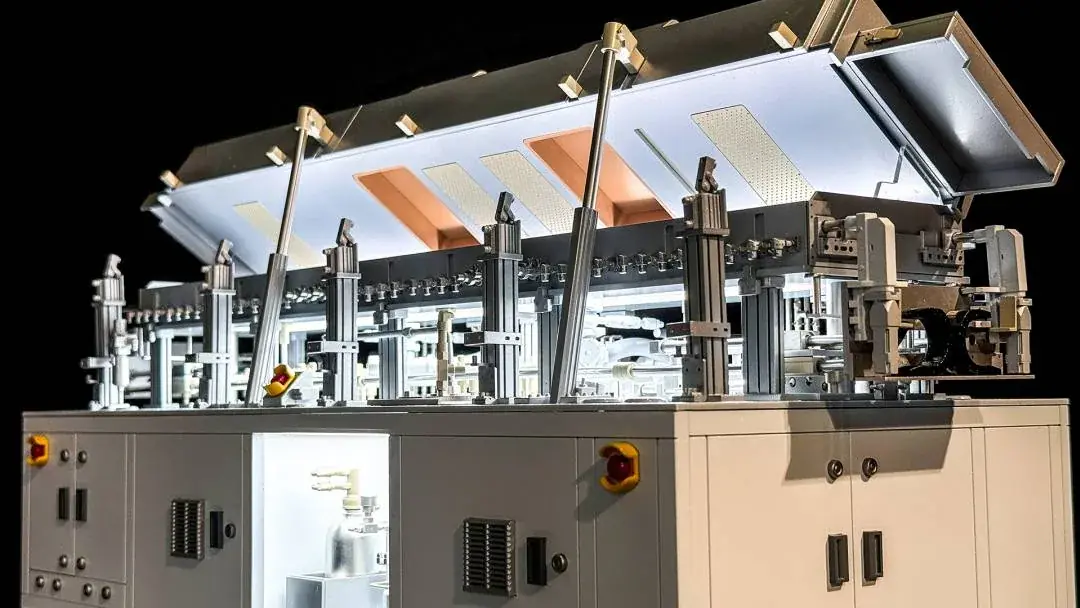
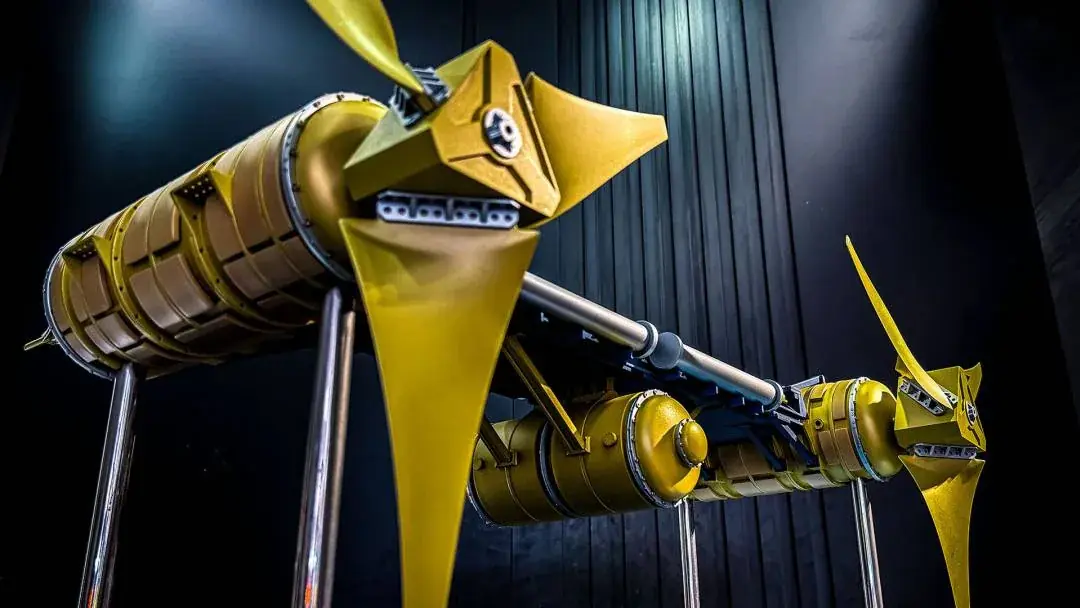
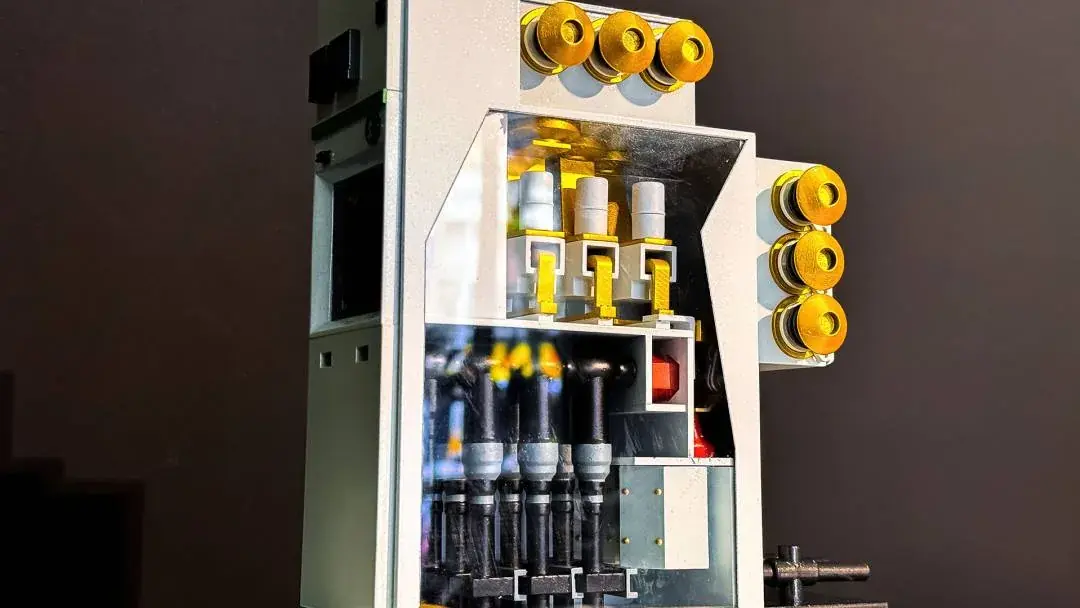
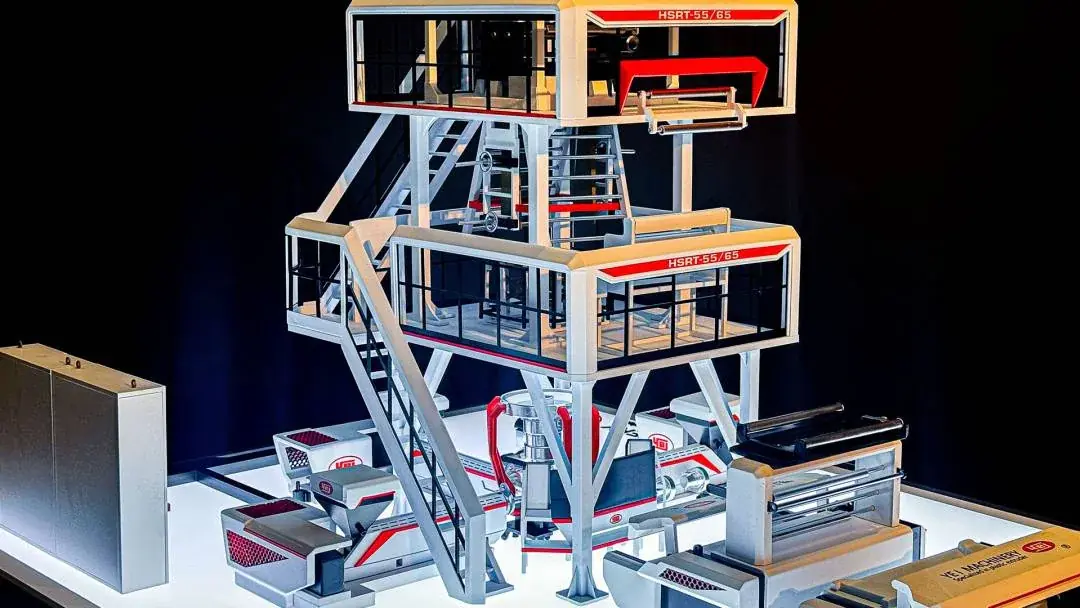
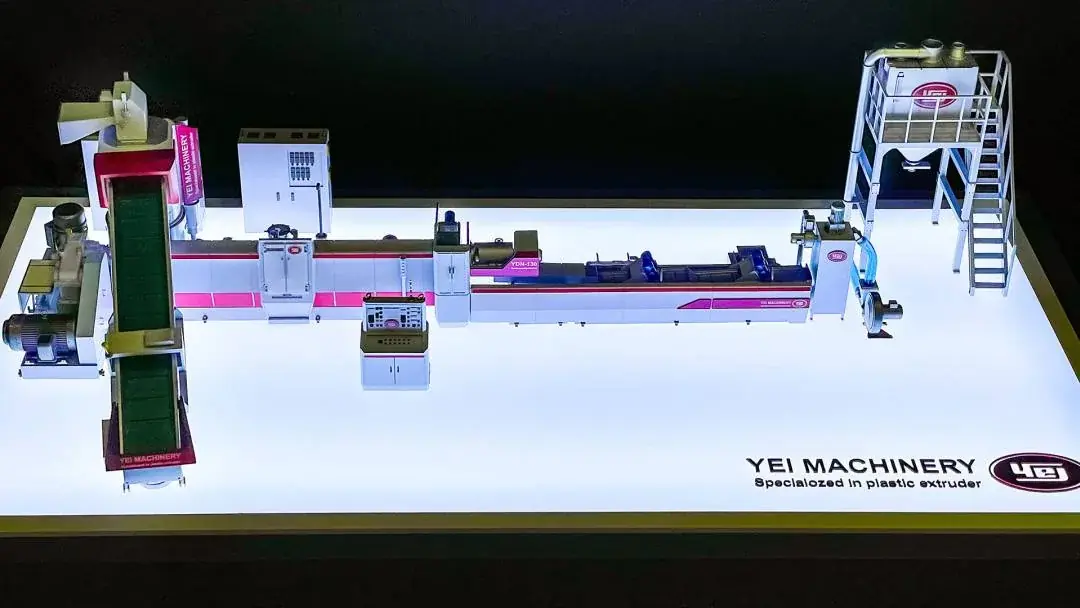
Explain equipment structures, production processes and engineering principles in presentations, trade shows and client discussions.
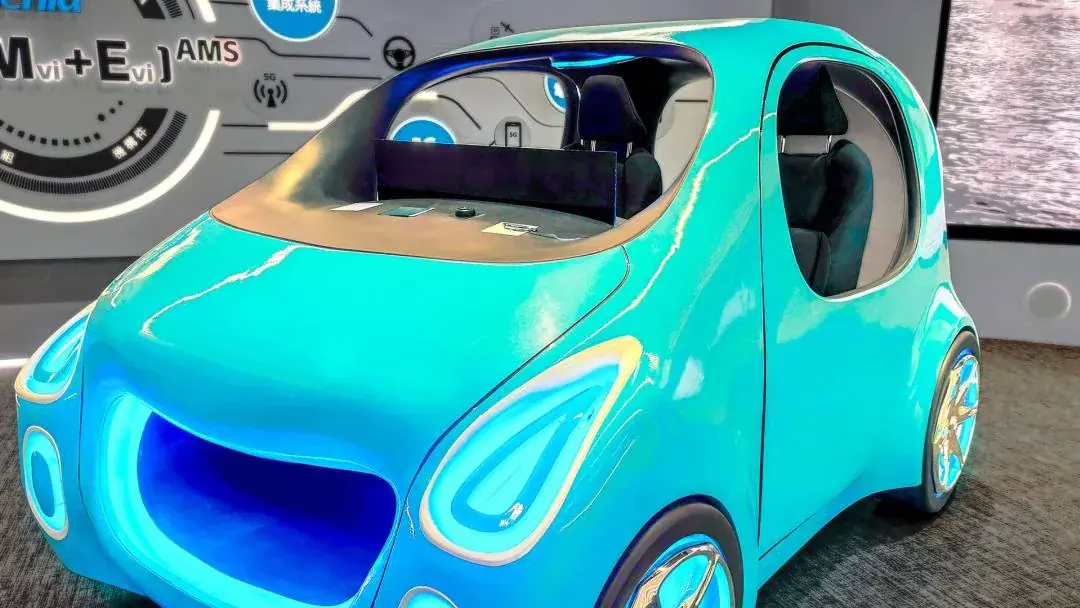
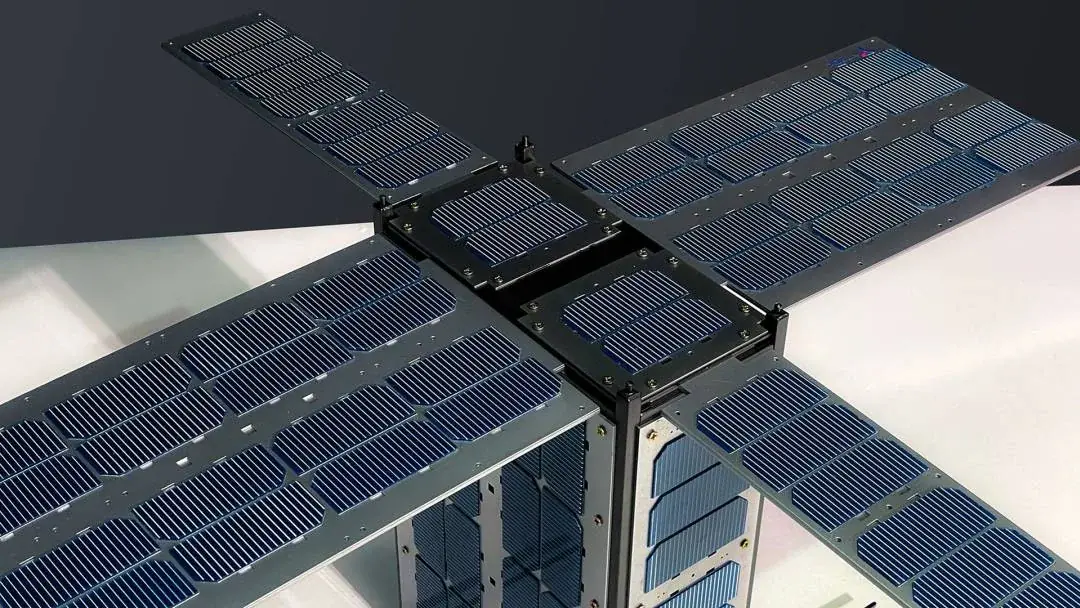
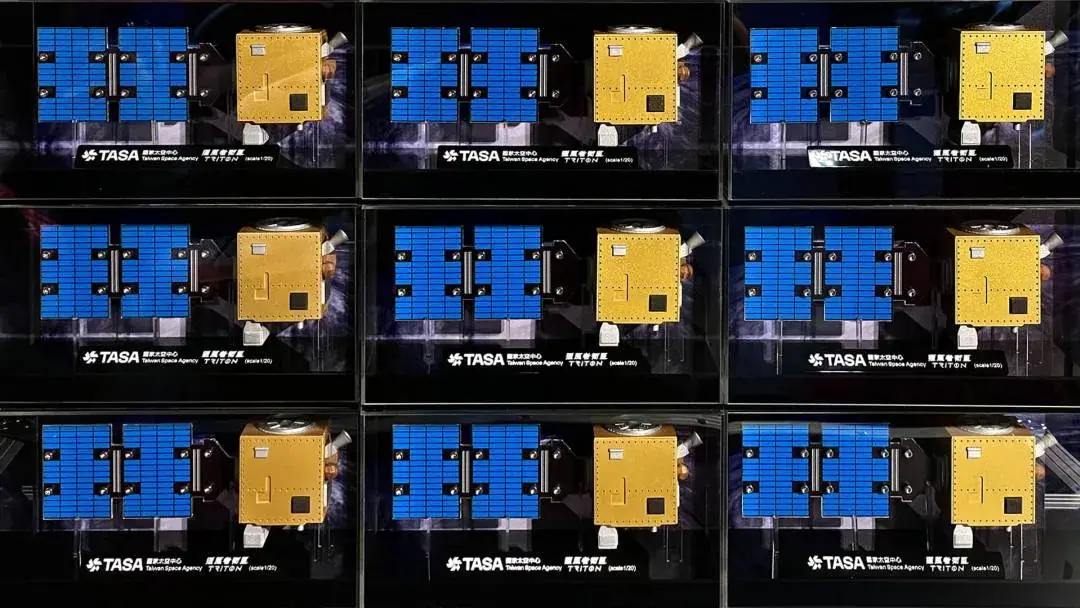
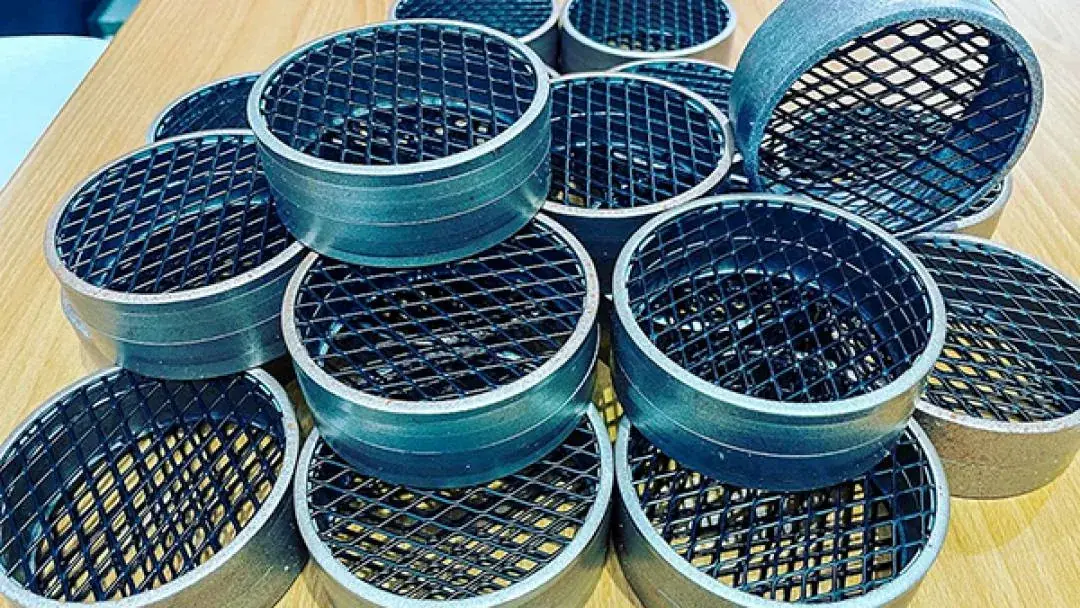
7. Product prototypes
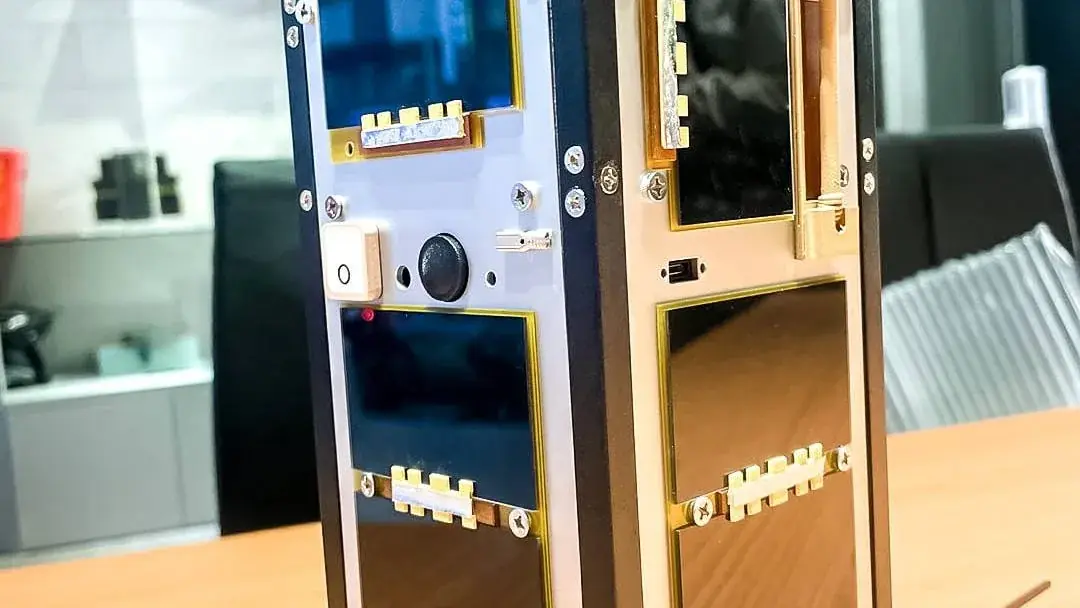
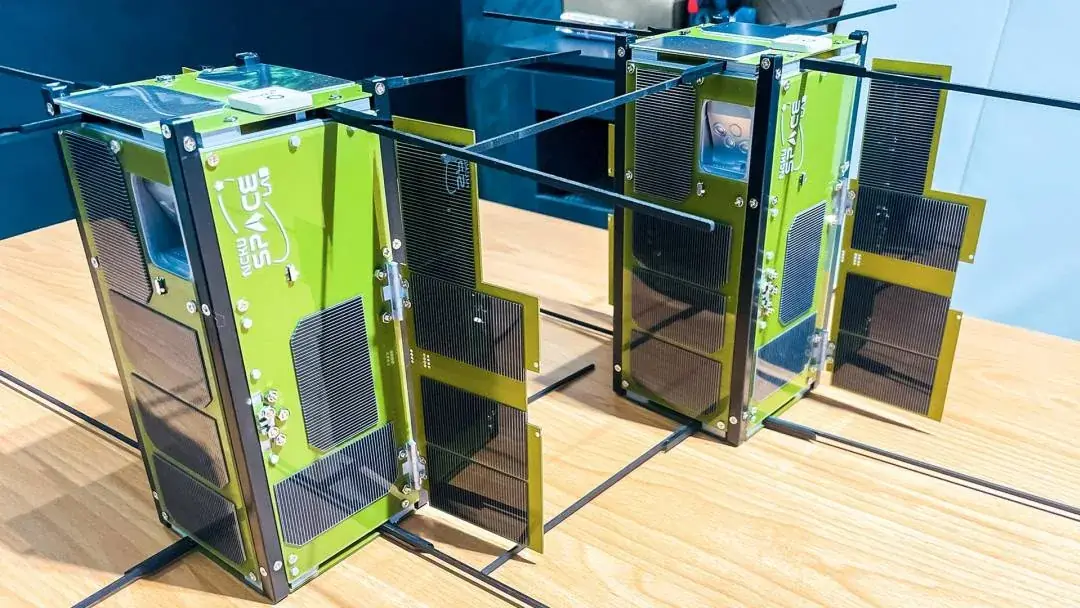
Evaluate assembly, colour, dimensions and form before full-scale production.
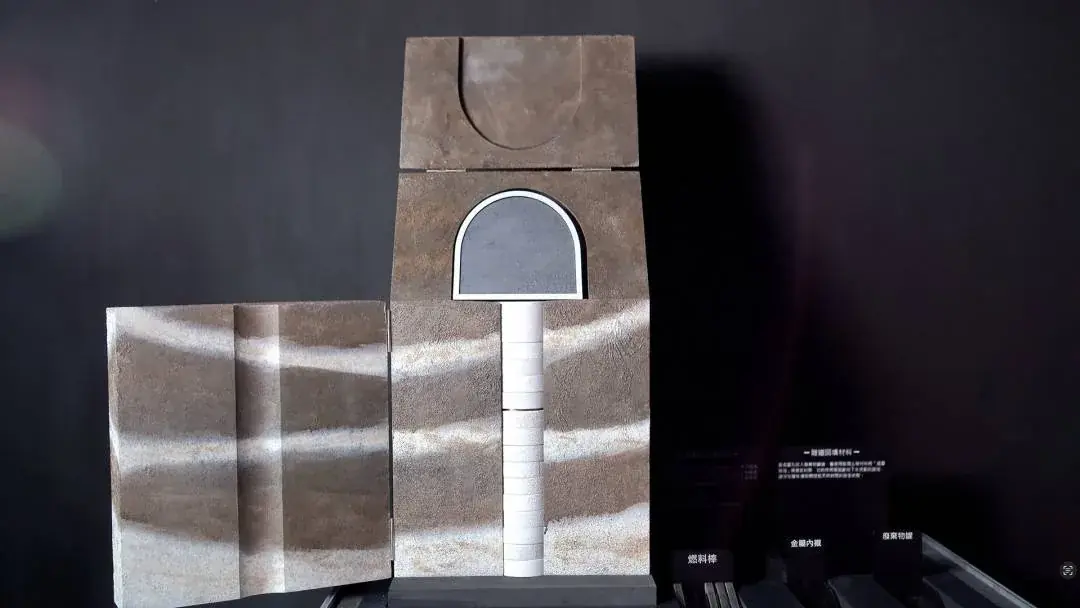
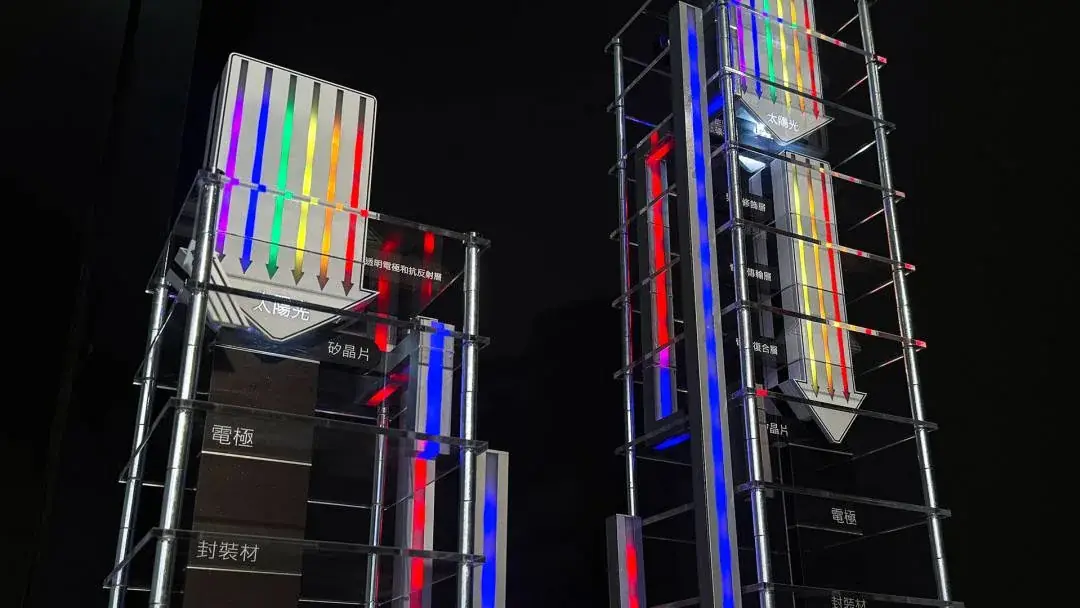
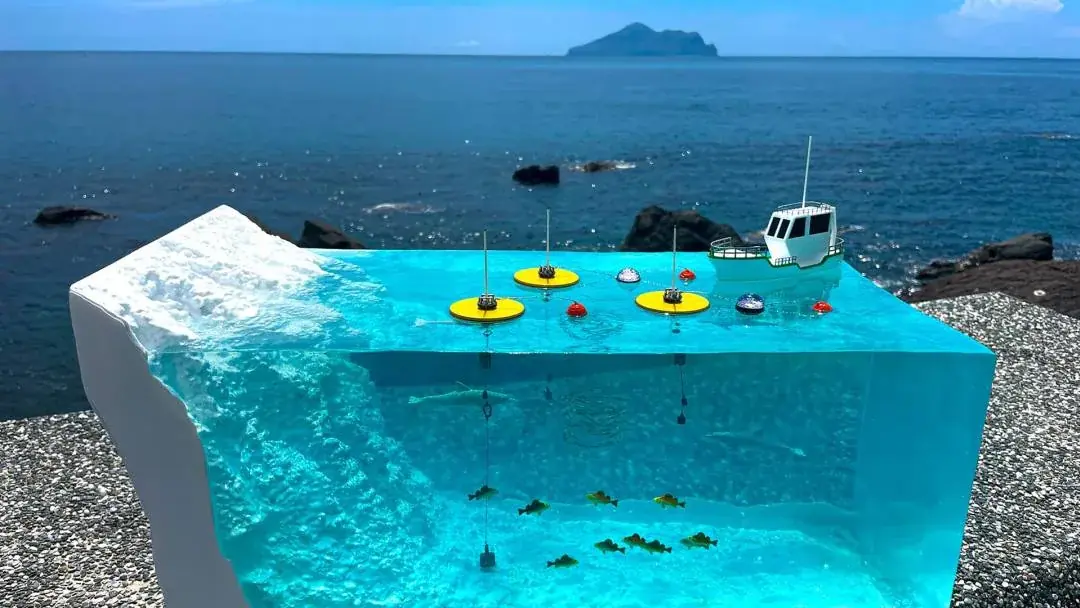
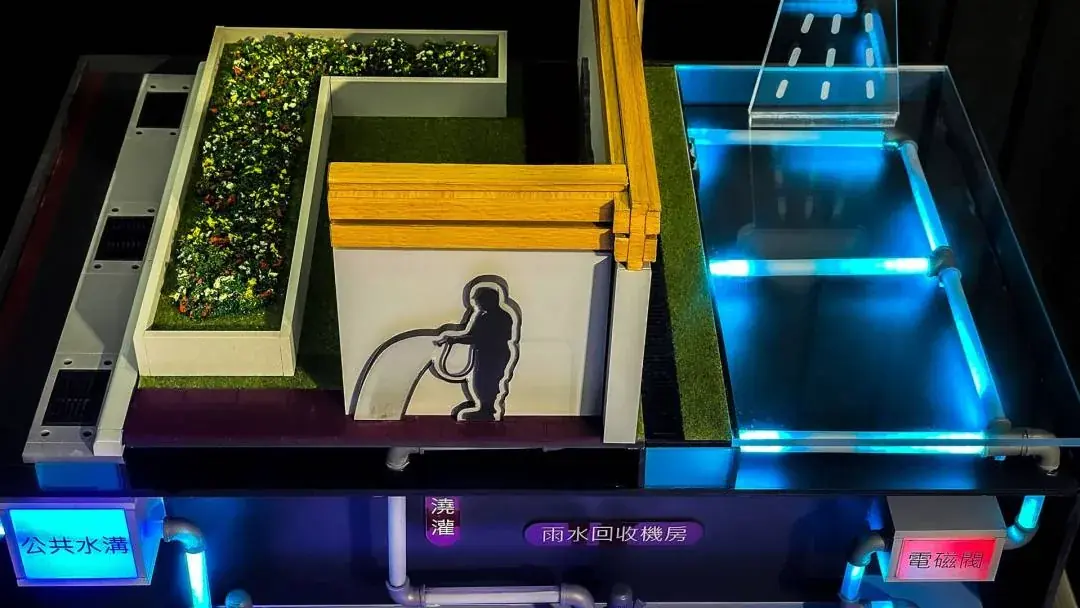
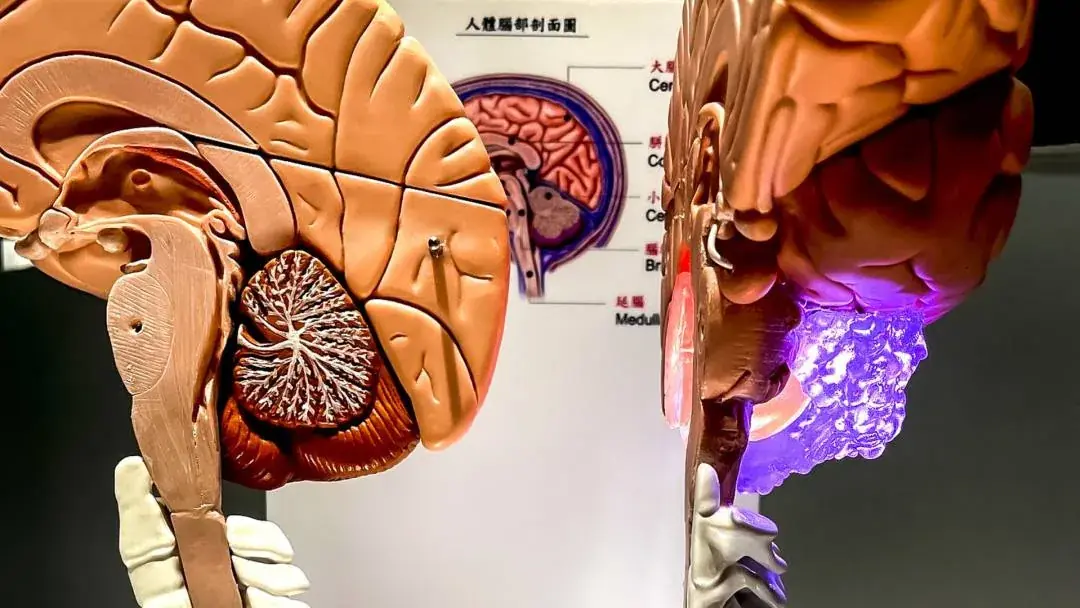
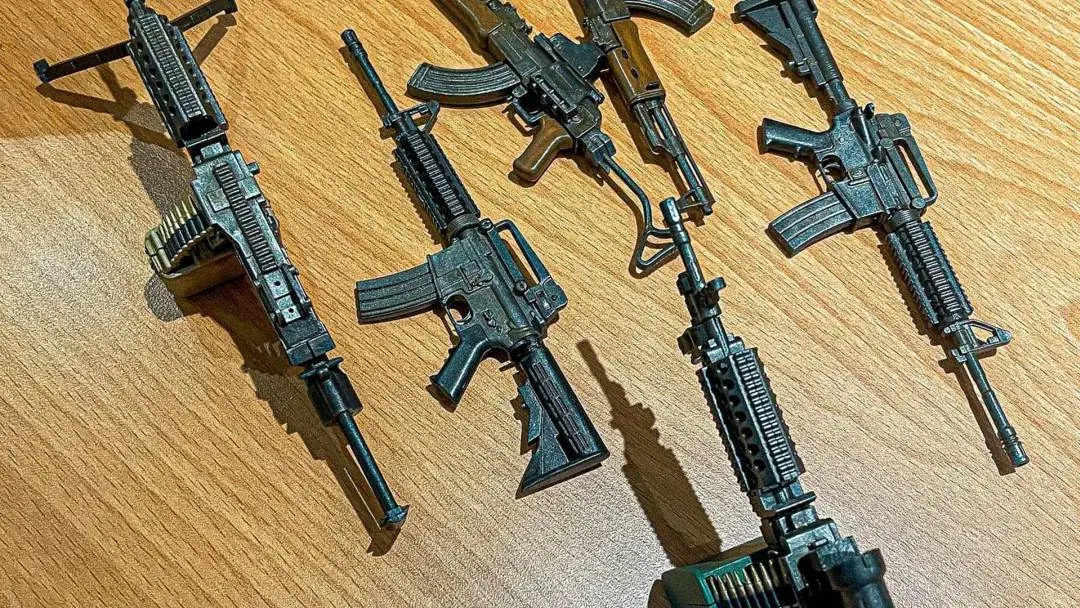
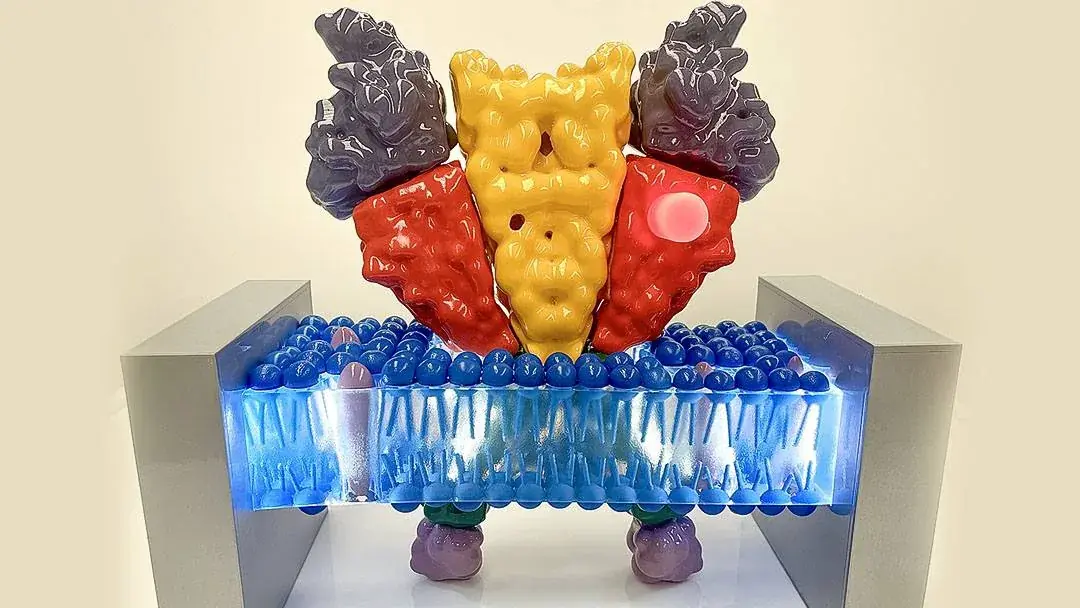
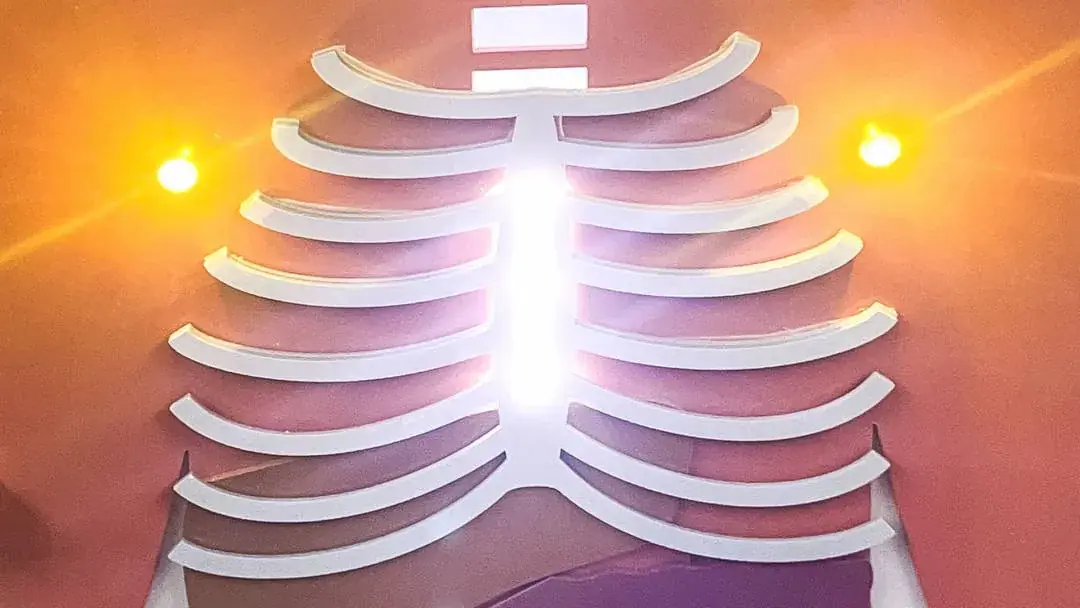
8. Educational models
Make complex concepts tangible for teaching, practical training, science outreach and technical demonstrations.